Twisted Memories
Play Twisted Memories
Twisted Memories Screenshots

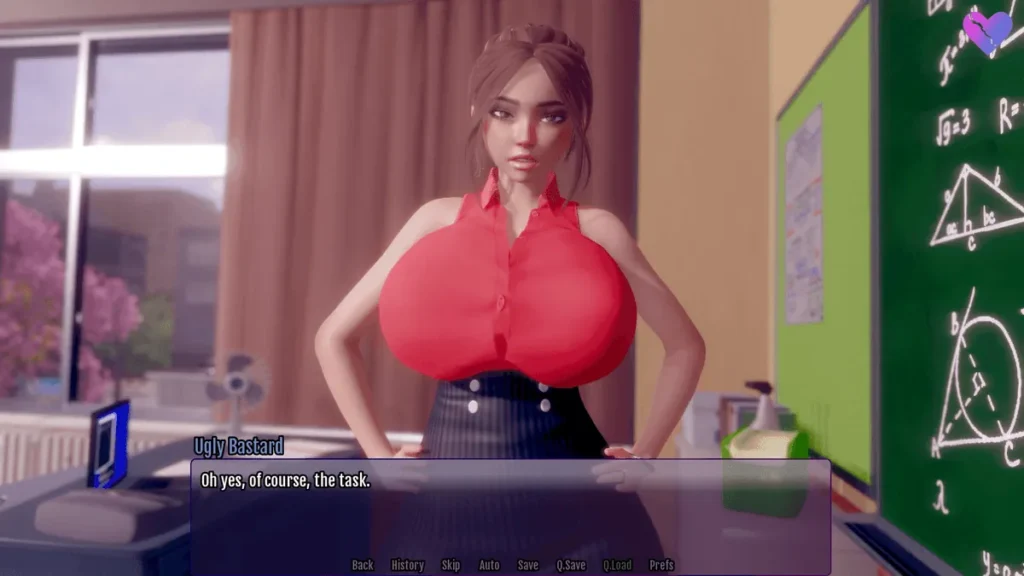
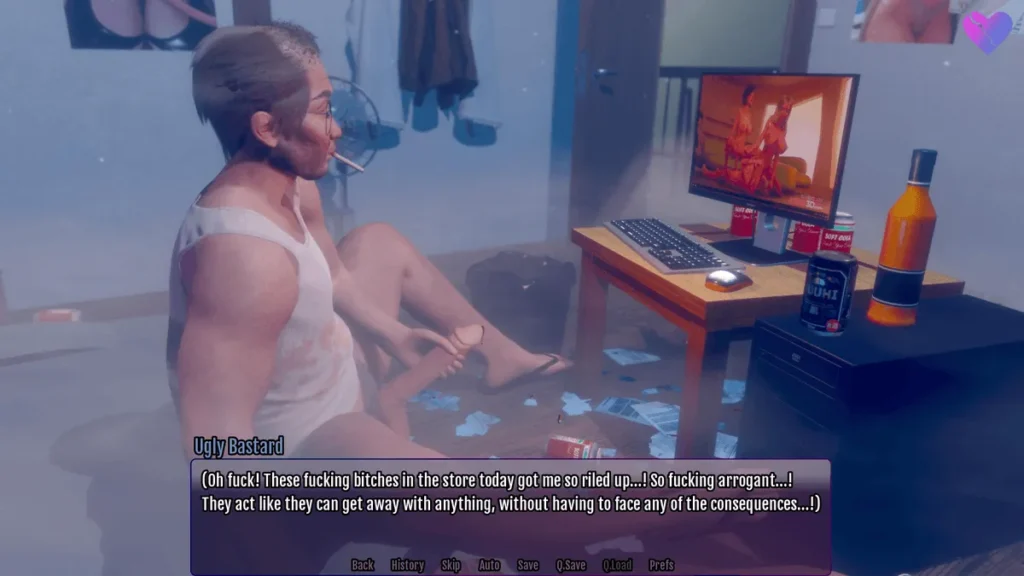
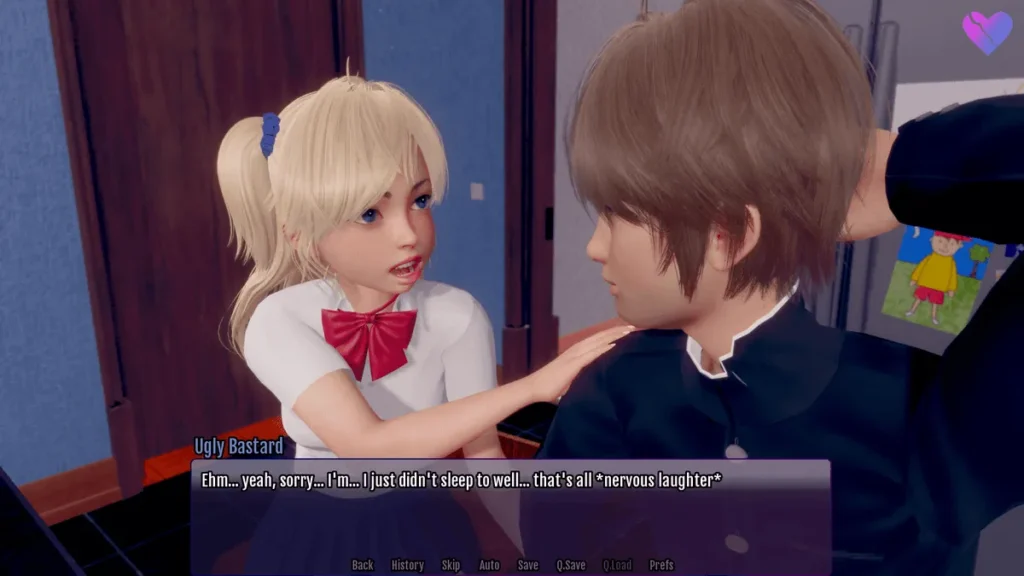
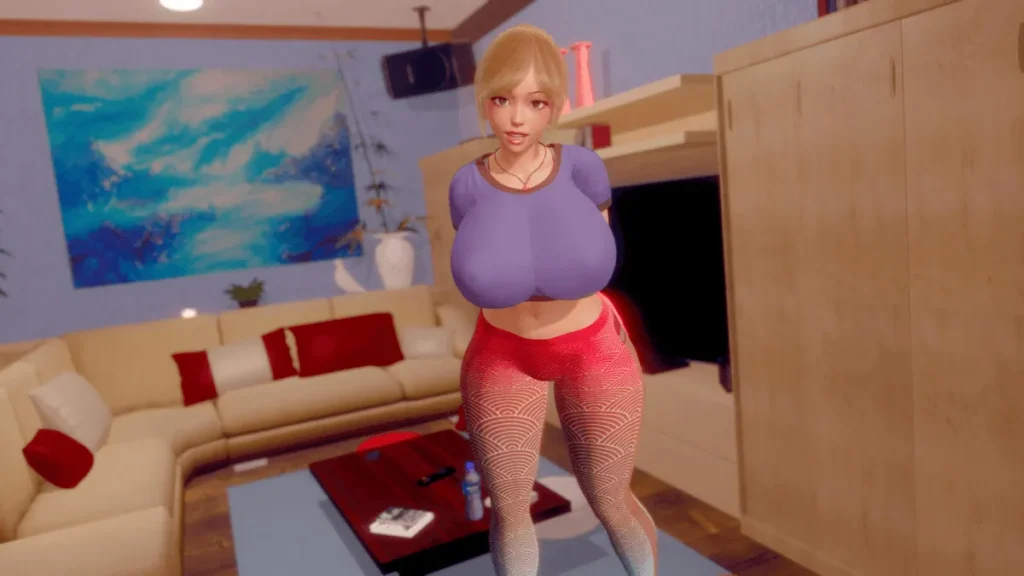


Twisted Memories review
Explore the dark narrative, mechanics, and choices in this provocative visual novel
Twisted Memories stands out as a provocative visual novel that challenges conventional storytelling through its unconventional premise and morally complex narrative. The game follows a forty-something-year-old man who mysteriously travels back in time, inhabiting his younger self’s body while retaining his adult mind and memories. This unique setup creates a fascinating exploration of second chances, regret, and manipulation. Players navigate a slow-paced, dialogue-heavy experience where every decision carries weight, shaping relationships and determining the protagonist’s path through his past. Whether you’re interested in understanding the game’s narrative depth, gameplay mechanics, or character dynamics, this guide provides comprehensive insights into what makes Twisted Memories a distinctive entry in adult gaming.
Understanding the Twisted Memories Premise and Story
What if your greatest regret wasn’t a memory, but a second chance you never wanted? 😨 This is the devastating question at the heart of the Twisted Memories story. Forget heroic tales of fixing the past; this is a time travel visual novel that feels less like a gift and more like a cosmic prank. You don’t play a dashing hero. You inhabit the mind of a man who has lost everything: a forty-something with no family, no career, and a mountain of bitterness where his future should be. Then, in a cruel twist of fate, he’s thrown back into his teenage body, armed with all the painful knowledge of how his life will unravel.
“This isn’t a second chance. It’s being forced to watch the car crash in slow motion, knowing you’re tied to the bumper. You get to relive every harsh word, every missed opportunity, with the cynical clarity of a life already wasted.”
The horror here isn’t supernatural—it’s profoundly psychological. It’s the agony of walking through familiar hallways with a stranger’s eyes, seeing your family not with youthful innocence, but with the jaded resentment of decades of hindsight. The psychological horror gameplay isn’t about jump scares; it’s in the quiet dread of knowing exactly what’s coming and being powerless to stop it… or perhaps, choosing not to. This chapter will pull back the curtain on this provocative premise, examining the dark core of its narrative, the fractured psyche of its protagonist, and the uncomfortable themes it forces us to confront. 🕰️⚡
The Core Concept: Time Travel and Identity Transformation
The premise of Twisted Memories immediately sets it apart from typical stories in the genre. This isn’t “Back to the Future.” There’s no DeLorean, no cheerful scientist, and no mission to make things better. Instead, the game presents a brutally intimate and unsettling scenario: a broken man is inexplicably trapped in the prison of his own adolescence. His adult consciousness—with all its failures, regrets, and sharp-edged cynicism—is now crammed into the body of his teenage self.
Think about that for a moment. 🤔 You have the emotional weariness of middle age, the simmering anger from a life you deem a failure, and the social powerlessness of a teenager. You sit at the family dinner table, hearing the same arguments you’ve replayed in your mind for years, but now you hear the subtext you were too young to understand. You see your parents not as authority figures, but as flawed people whose choices will directly lead to your future misery. This creates a unique and paralyzing form of psychological horror gameplay. The “monster” is knowledge itself—the terrifying clarity of hindsight without the agency to truly change the larger narrative.
This foundation brilliantly fuels the protagonist character development. His entire identity is a contradiction. He looks like a boy but thinks like a bitter old man. His goals aren’t about getting good grades or winning the big game; they’re shaped by decades of resentment. Will he use his foresight to subtly manipulate those around him for personal gain? Will he seek revenge for perceived slights that haven’t even happened yet in this timeline? Or will he succumb to a deep depression, knowing the futility of his situation? The time travel visual novel framework becomes a cage, and the player’s journey is to discover how the protagonist will rattle the bars. It’s a masterclass in using a sci-fi concept to explore the most human of conditions: regret, and the dangerous fantasy of correcting it.
Narrative Themes: Regret, Revenge, and Moral Ambiguity
At its core, the Twisted Memories story is a deep, uncomfortable dive into themes most games shy away from. It firmly establishes itself within the realm of narrative themes adult games by treating its subject matter with deliberate gravity, not sensationalism. The central pillar is regret. Not the sweet, nostalgic kind, but the corrosive, life-defining variety. The game forces you to linger in moments the protagonist wishes he could forget—the missed connection, the conversation left unsaid, the small cruelty that seeded a lifetime of distance. The “slow-paced storytelling” isn’t a flaw; it’s the point. You must feel the weight of every silent car ride and tense family meal.
From this fertile ground of regret grows the thorny vine of revenge. 🗡️ The protagonist’s deep-seated resentment toward his family is his primary motivator. He views his past through the lens of victimhood, blaming their mistreatment, indifference, or flawed dynamics for his failed future. This revenge narrative visual novel asks a brutal question: If you could go back and hurt the people who hurt you, before they’ve technically done anything wrong, would you? The game provides the tools and the justification through extensive internal monologue, making the player complicit in his rationalizations.
This is where the game’s genius in moral ambiguity storytelling truly shines. There are rarely clear “good” or “evil” choices. Instead, you navigate a gray area of self-interest, petty manipulation, and existential spite. Is it wrong to use your future knowledge to undermine a bully? Is it ethical to emotionally manipulate a family member to secure a better outcome for yourself, even if it damages them? The game refuses to judge you, presenting choices that feel human in their complexity and selfishness. It explores taboo themes—family dysfunction, emotional abuse, nihilism—not for shock value, but to honestly dissect how pain can warp a person’s soul. You are not guiding a hero to a better tomorrow; you are managing the fallout of a shattered psyche trying to exert control in the only way it knows how.
Character Motivations and Psychological Complexity
To understand the choices in Twisted Memories, you must first understand the man making them. The protagonist is one of the most compelling studies in protagonist character development in modern gaming. He is not likable in a traditional sense, but he is fascinatingly, tragically human. His motivations are a tangled knot of self-loathing, vindication, and a desperate, unacknowledged hunger for a different past.
His primary drive is a self-serving desire to alter his personal destiny, but not necessarily for a happier, wholesome life. His goals are often transactional and cynical. Can he secure financial stability early? Can he position himself to leave this town and these people behind forever? Can he make them feel a fraction of the hurt he carries? This manipulative tendency is his main tool. He uses his knowledge of future events and his understanding of adult vulnerabilities to play people like chess pieces, which forms a crucial part of the psychological horror gameplay. You’re not just watching horror unfold; you are actively orchestrating it from inside the mind of the monster.
Yet, the game avoids making him a simple villain. Through his introspective inner monologues—which serve as the true windows into the story—we see his fractured psyche. 🪞 He is painfully self-aware of his own flaws. He recognizes his own bitterness, even as he wallows in it. He may feel moments of guilt or fleeting connection before his defenses slam back down. This duality is what makes the Twisted Memories story so gripping. You are simultaneously repulsed by his actions and empathetic to his pain. You see the wounded child beneath the jaded adult’s anger. The narrative asks you to sit with this discomfort, to hold both truths at once: that his behavior is often reprehensible, and that it stems from a very real, very human history of hurt.
| Protagonist Trait | Narrative Impact on the Story |
|---|---|
| Jaded & Cynical Nature | Colors every interaction with pessimism and distrust, turning mundane teenage dramas into foreshadowed tragedies. It prevents naive optimism and forces a darker, more strategic view of all relationships. |
| Manipulative Tendencies | Drives the core gameplay of dialogue and choice. The story becomes a web of social manipulation, where the protagonist uses knowledge as a weapon to control outcomes and people for his own ends. |
| Self-Serving Motivations | Justifies the game’s morally ambiguous choices. The narrative rarely presents purely altruistic options, ensuring the plot remains focused on a broken individual’s struggle for power and retribution rather than redemption. |
| Introspective Qualities | Provides depth and tragic complexity. His internal monologue reveals self-awareness and pain, preventing him from being a one-note villain and inviting the player to understand, if not condone, his destructive path. |
Ultimately, the journey through Twisted Memories is a dissection of a soul in retrograde. 🧠 It’s about the stories we tell ourselves to survive our past, and what happens when we get the chance to weaponize those stories. The time travel visual novel format is merely the stage; the real drama is the internal conflict of a man at war with his history, his family, and himself. By focusing on narrative themes adult games handle best—regret, moral ambiguity, and psychological trauma—it creates an experience that lingers long after the final choice is made. It’s a challenging, thought-provoking dive into the darkest corners of the “what if,” proving that sometimes, the most terrifying place to travel is not into the future, but into the prison of our own twisted memories.
Twisted Memories presents a distinctive experience within adult gaming through its combination of psychological depth, complex moral themes, and player-driven narrative choices. The game’s premise of inhabiting a younger body with an adult mind creates a foundation for exploring regret, revenge, and the consequences of manipulation. Its slow-paced, dialogue-heavy gameplay emphasizes decision-making weight and character development over action or quick reflexes, appealing to players seeking narrative-focused experiences. The relationship systems offer genuine branching paths, allowing players to shape the protagonist’s journey toward either harem building or romantic connection. Whether approaching the game for its narrative complexity, character dynamics, or exploration of taboo themes, Twisted Memories delivers a thought-provoking experience that challenges players to confront uncomfortable moral questions. For those interested in adult visual novels that prioritize storytelling and psychological exploration, this game offers substantial content worth experiencing.