The Fate of Irnia
Play The Fate of Irnia
The Fate of Irnia Screenshots
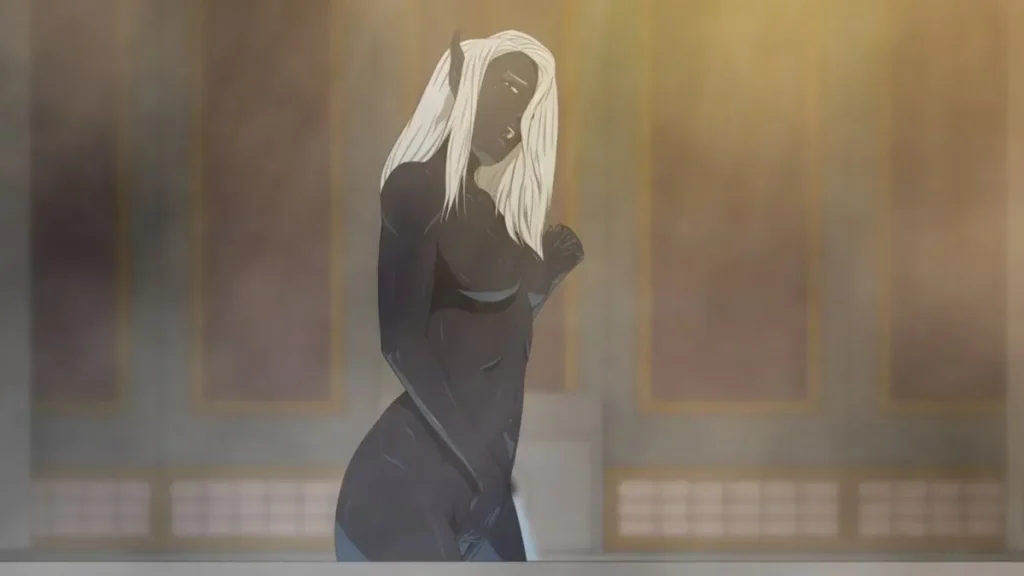
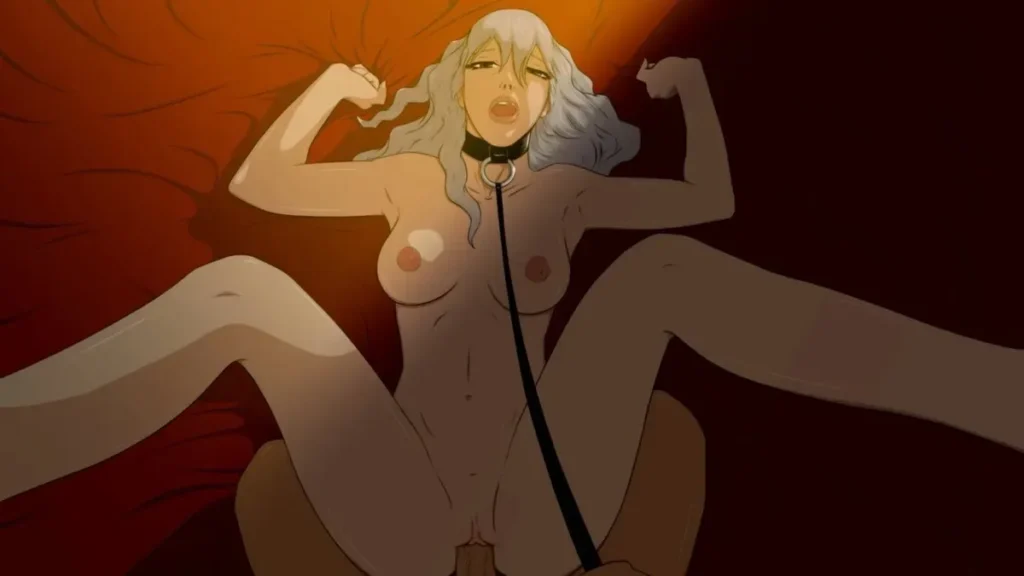
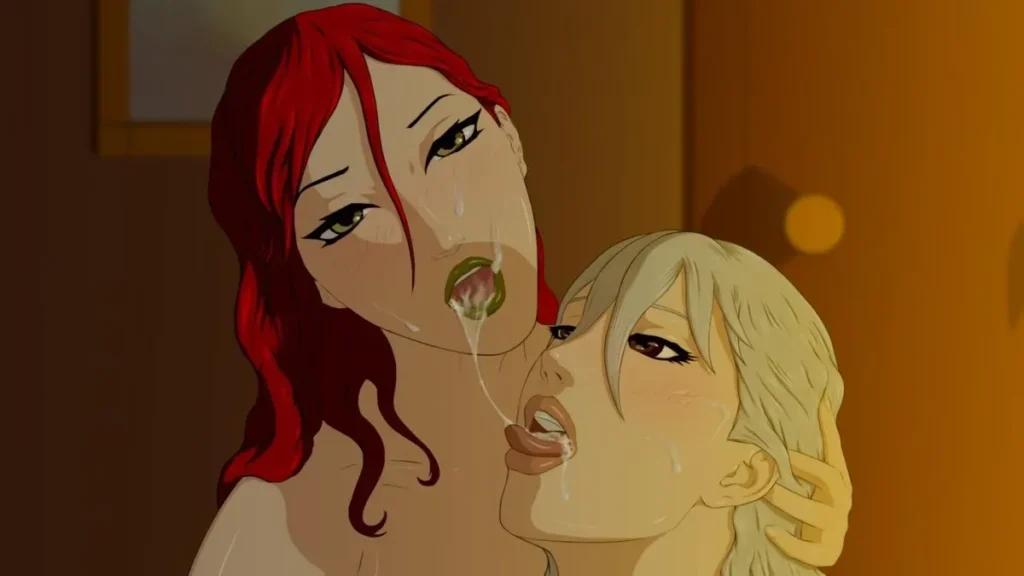
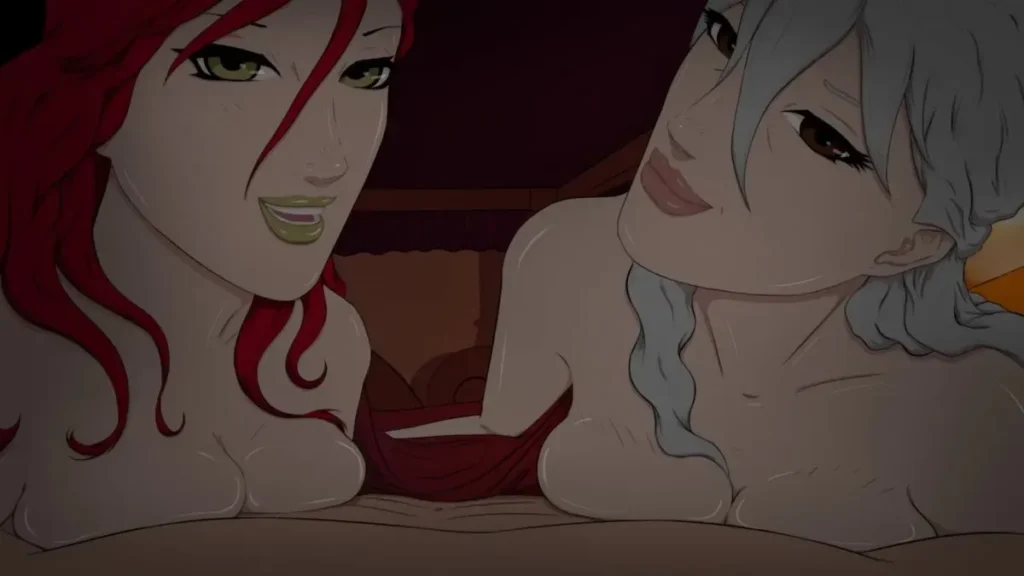
The Fate of Irnia review
Exploring the Story, Characters, and Unique Gameplay of This Completed Adventure
The Fate of Irnia is a captivating medieval fantasy visual novel that blends adventure, romance, and strategic gameplay into a single, immersive experience. Set in a world where Orcs attack your homeland every 12 years, the game challenges you to defend your territory with the limited forces you have, never enough to strike back but always enough to survive. With its engaging storyline, well-written dialogue, and stunning 2D graphics, The Fate of Irnia offers a unique twist on the fantasy genre. Whether you’re drawn to the epic adventure, the complex relationships between characters like the mom, cool sister, and aunt, or the strategic defense mechanics, this completed game promises to captivate players of all kinds.
The Story and Setting of The Fate of Irnia
What Is the Core Premise of The Fate of Irnia?
You know that feeling when you’re cruising through a story, everything is going well, and then… bam. The world ends, or the villain wins, and you’re left scratching your head? The Fate of Irnia flips that script entirely. The core premise is refreshingly straightforward and honestly, a bit brutal. You are not a legendary hero with a divine sword and a prophecy carved in stone. You are a defender, facing down a ticking clock that resets every twelve years.
The The Fate of Irnia story premise drops you into a land that has known nothing but cycles of peace and sudden, violent chaos. The nation of Irnia has a terrible rhythm: for a decade, life is good. You build, you trade, you laugh. Then, for two horrendous years, the Orc hordes pour over the borders, and everything becomes a fight for survival. I remember the first time I realized this wasn’t just a backdrop—it was the engine of the entire game. It immediately made every decision feel heavy. You’re not just reading a story; you’re managing the survival of an entire people against an inevitable tide. You are handed a battered sword, a crumbling wall, and a handful of determined allies, and told, “Good luck. The next wave is coming.”
This is a medieval fantasy visual novel that understands tension isn’t about jump scares or sudden plot twists. It’s about the slow, grinding fear of knowing what’s coming and having to prepare for it with inadequate resources. The game masterfully blends this high-stakes adventure with moments of genuine warmth, making the moments of peace feel precious and the moments of war feel devastating.
How Does the 12-Year Orc Attack Cycle Shape the Game?
The 12-year Orc attack cycle is the single most brilliant design choice in the game. It’s not just a plot point; it’s the mechanic that dictates the pacing, the relationships, and even the endings. Think of it as the heartbeat of Irnia—sometimes slow and steady, sometimes a frantic drum.
Here’s how it works in practice:
- The Peaceful Decade (The Calm): You have roughly ten years to prepare. This is where you get to know the characters, manage your resources, explore the world, and make strategic decisions. Every farm you build, every soldier you train, every alliance you forge is an investment in surviving the storm.
- The Two-Year War (The Storm): Then the Orcs come. The gameplay shifts dramatically. Exploration becomes dangerous, resource management becomes critical, and your relationships with key characters like your mom cool sister aunt characters are tested in the fire of combat. You are constantly making choices to defend homeland limited forces, which creates a feeling of heroic desperation. You’re not winning the war; you’re surviving the wave, hoping to make it to the next decade.
What I love about this structure is how it creates a non-typical story structure. Most games have a single narrative arc with a beginning, middle, and end. The Fate of Irnia has multiple arcs, layered over each other. You replay the cycle of peace and war, but each time, the world and your relationships change based on your previous actions. It’s like Groundhog Day, but with more Orc invasions and a much higher body count. You learn to cherish the quiet moments, knowing they are fleeting.
“The cycle isn’t a punishment. It’s a test. A test of your will to protect what you love.”
This cyclical nature forces you to prioritize. You cannot save everyone. You cannot build everything. You have to ask yourself: who do I keep my limited forces to protect? The village farmers? The capital city? My own family? This moral weight makes every playthrough feel personal.
Why Is the Medieval Fantasy Setting Unique in The Fate of Irnia?
Okay, let’s talk about the world itself. It’s a medieval fantasy visual novel, yes. You’ve got your kingdoms, your magic, your monsters. But the The Fate of Irnia setting stands out because of its artistic soul. The 2D art style is absolutely gorgeous, with a hand-painted feel that makes every scene look like a painting from a storybook. It’s not trying to be hyper-realistic; it’s aiming for emotional resonance, and it hits the mark perfectly.
The world feels lived-in and intimate. You aren’t saving a sprawling empire; you’re fighting for a specific place with specific people. The game focuses intensely on a small, close-knit group. The most powerful force in Irnia isn’t a king or a wizard—it’s the family you choose to fight for.
Here’s a quick look at the pillars of that world—the mom cool sister aunt characters—who make the setting so compelling:
| Character | Role in the Story | Why They Matter |
|---|---|---|
| The Mother | The experienced strategist and emotional anchor. | She carries the memory of past cycles. Her wisdom is your only guide through the chaos. |
| The Cool Sister | The frontline fighter and the heart of the rebellion. | She’s your partner in the trenches. Her bravery is infectious, and her losses hit the hardest. |
| The Aunt | The resourceful engineer and keeper of forgotten lore. | She finds ways to make limited supplies work. Her inventions can turn the tide of a battle. |
The game leans heavily into the non-typical story structure I mentioned earlier. It doesn’t force you down a linear path. Because of the cycle, you can experience events out of order, choose to build relationships with different characters in different cycles, and discover secrets that were hidden in plain sight. This gives the medieval fantasy visual novel a depth that linear stories simply can’t match.
The setting enhances immersion because it makes the stakes personal. The artwork is warm during the peaceful decade, with rich greens, cozy fires, and a sense of community. When the war comes, the palette shifts to cold blues, bloody reds, and oppressive grays. You feel the shift in your bones. You see the fields you built burn. You hear the clash of steel against Orc axes. It’s this beautiful, tragic, and deeply human experience that makes The Fate of Irnia a must-play for anyone looking for a story that actually respects your time and intelligence. You’re not just a watcher; you’re the last line of defense for a world you’ve come to love.
The Fate of Irnia stands out as a compelling medieval fantasy visual novel that masterfully combines adventure, romance, and strategic gameplay. Its unique premise of defending your homeland against recurring Orc attacks every 12 years creates a tense and engaging narrative that keeps players invested. The rich character dynamics, including the mom, cool sister, and aunt, add depth to the story, while the stunning 2D graphics and non-typical story structure enhance the overall experience. Whether you’re a fan of epic adventures or strategic defense games, The Fate of Irnia offers a complete and captivating journey. Ready to explore this world? Download the completed version and start your adventure today.