
Workplace Fantasy Screenshots

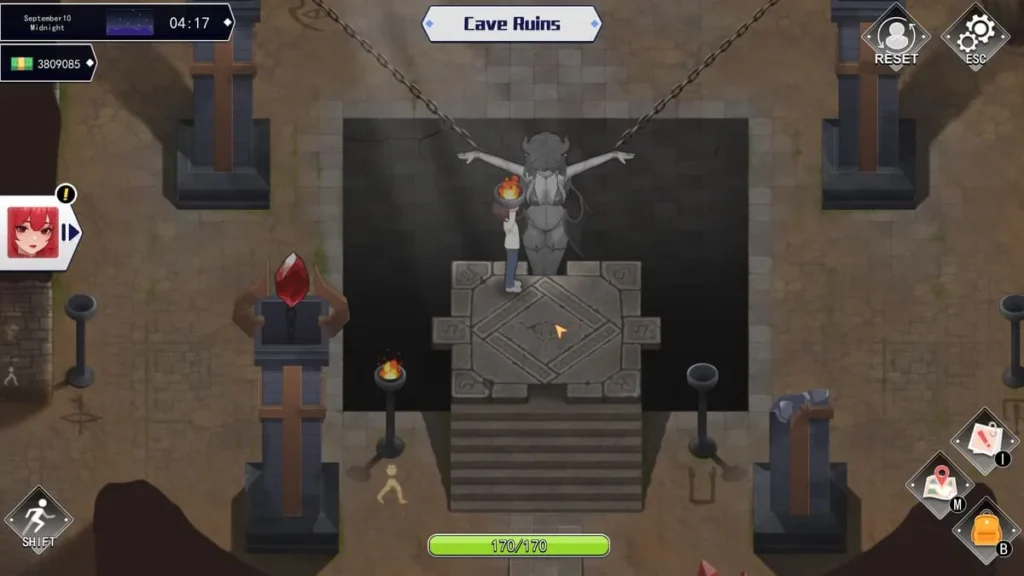






Workplace Fantasy review
A Deep Dive into the Features and Experience of the Workplace Fantasy Game
Workplace Fantasy is a distinctive interactive game that blends storytelling with immersive gameplay, set in a workplace environment where players navigate complex relationships and scenarios. This article explores the core elements of Workplace Fantasy, highlighting its engaging narrative, character dynamics, and gameplay mechanics. Whether you’re new to the game or looking to deepen your experience, this guide offers insights and practical tips to enhance your journey in Workplace Fantasy.
Understanding Workplace Fantasy: Gameplay and Storyline
Ever feel like your 9-to-5 is missing… well, everything? The same coffee-stained mugs, the predictable meetings, the nagging feeling your creative spark is buried under a mountain of TPS reports? 😩 You’re not alone. That’s precisely the itch the Workplace Fantasy game was designed to scratch. It takes the familiar setting of an office and injects it with drama, intrigue, and personal agency, transforming the daily grind into a playground of narrative possibilities.
This isn’t just another click-through simulation; it’s a rich, interactive workplace game where your choices are the engine of the story. Let’s pull back the cubicle curtain and explore what makes this experience so uniquely captivating.
What Is Workplace Fantasy About?
At its heart, the Workplace Fantasy storyline is a tale of ascent, alliance, and intrigue within the gleaming skyscraper of the fictional mega-corporation, Veridian Dynamics. 🏙️ You step into the freshly polished shoes of a new hire, but this is no ordinary onboarding. From day one, you’re plunged into a world where professional ambition intertwines with personal relationships, and every email chain or water-cooler chat could be a stepping stone or a trap.
The core narrative revolves around navigating the complex social and professional hierarchy to achieve your character’s goals. Will you be a ruthless ladder-climber, a diplomatic team player, or a chaotic innovator who rewrites the rulebook? The Workplace Fantasy game sets the stage with a compelling central mystery or major corporate project, but how you engage with it—and who you choose to side with—is entirely up to you. It’s about crafting your own corporate legend, one narrative choice Workplace Fantasy style at a time.
I remember my first playthrough, blindly trusting a charming colleague with a project idea, only to see them present it as their own in the next departmental meeting! 😤 That moment of betrayal (okay, it was digital, but it felt real!) taught me that this game truly listens to your decisions and reflects them back in meaningful ways.
Key Characters and Their Roles
The soul of any great narrative lies in its characters, and Workplace Fantasy characters are a brilliantly crafted ensemble. Each one is more than a job title; they are bundles of ambition, insecurity, mentorship, and rivalry. Your interactions with them don’t just fill dialogue trees—they actively shape your reputation, unlock exclusive story branches, and determine your available resources.
Building relationships is the true currency here. A strong bond with the savvy IT head might get you crucial data access, while offending the seasoned department head could see your budget requests “lost” in approval purgatory. Understanding their motivations is key to mastering how to play Workplace Fantasy effectively.
To help you navigate the corporate landscape, here’s a quick dossier on some of the key personalities you’ll encounter:
| Character | Role & Traits | Influence on Storyline |
|---|---|---|
| Alex Chen | The brilliant but perpetually stressed Project Lead. Ambitious, competitive, secretly insecure. | Your direct boss. Can become a powerful mentor or your biggest obstacle. Your performance directly affects their standing, creating dynamic alliance or conflict. |
| Maya Rodriguez | The charismatic Head of Marketing. Networker, optimistic, sometimes manipulative. | Gatekeeper to company influence and resources. Strong alliance can fast-track promotions, but crossing her can lead to social isolation. |
| David Park | The quiet, analytical Data Specialist. Observant, loyal, overlooked. | Often holds key information to unlock corporate mysteries. Befriending him provides critical insights; ignoring him leaves you in the dark. |
| Sarah Jones | The veteran Department Director. Authoritative, traditional, risk-averse. | Represents the “old guard.” Winning her approval grants stability and authority, but challenging her can unlock radical, innovative paths. |
How Gameplay Mechanics Shape the Experience
So, how do you play Workplace Fantasy? The magic is in its seamless blend of choice, consequence, and stat management. The gameplay mechanics in Workplace Fantasy are designed to make you feel the weight of every decision, both big and small.
Your journey is guided by a few core systems:
* The Dialogue Wheel & Choice System: Every conversation is an opportunity. Will you respond with Charm, Logic, Assertiveness, or Empathy? Your consistent choices build your character’s personality, which in turn opens up new dialogue options and story paths. This is the essence of narrative choices Workplace Fantasy is famous for.
* The Relationship Matrix: This hidden menu tracks your standing with every character. It’s not just “like” or “dislike”; it’s a complex web of trust, respect, rivalry, and romance. A high score with one character might lower it with their office rival.
* Skill & Resource Management: You have traits like “Professional Acumen,” “Social Insight,” and “Creative Problem-Solving.” Choosing to stay late and prepare a report might boost Acumen, while attending a coworker’s birthday party could boost Social Insight. These stats act as keys, determining if you can persuade a stubborn colleague or devise an elegant solution to a crisis.
Pro Tip: Don’t try to max out every stat on your first run. Choose a persona and lean into it. Specializing often yields more unique story outcomes than being a mediocre all-rounder.
Let’s look at an example. In the “Midnight Oil” episode, you discover a critical error in a client proposal that’s already been approved by Alex. You have a few hours before the meeting.
- Choice A (Logic/Professional Acumen): Meticulously correct the error yourself and present the updated version directly at the meeting.
- Impact: You potentially save the account, massively boosting your Acumen and Alex’s respect (if they appreciate the save). However, you might embarrass Alex publicly, damaging trust.
- Choice B (Empathy/Social Insight): Bring the error to Alex privately, offering to help fix it as a team.
- Impact: You build deeper trust with Alex, strengthening your alliance. The fix might be more rushed, carrying a small risk, but you’ve secured a powerful mentor.
See? There’s rarely a pure “right” answer, only what’s right for the story you want to tell. This is what makes the Workplace Fantasy game so replayable. One playthrough as a cutthroat climber feels entirely different from another as a unifying team builder.
The gameplay mechanics in Workplace Fantasy work in concert to create a profoundly interactive workplace game. You’re not just reading about office politics; you’re living it, steering it, and dealing with the exhilarating and sometimes frustrating consequences. It turns the mundane into the monumental, proving that the most compelling fantasies can be built right on top of a cubicle floor. 🎮✨ Your next career move awaits
Workplace Fantasy offers a unique blend of storytelling and interactive gameplay that captivates players through its well-crafted characters and engaging workplace scenarios. By understanding the game’s mechanics and narrative depth, players can fully immerse themselves and enjoy a personalized experience. Whether you’re exploring the storyline for the first time or revisiting to make different choices, Workplace Fantasy provides an intriguing environment to explore complex interactions. Dive in and discover your own path within this compelling game world.