Unnatural Instinct
Play Unnatural Instinct
Unnatural Instinct Screenshots


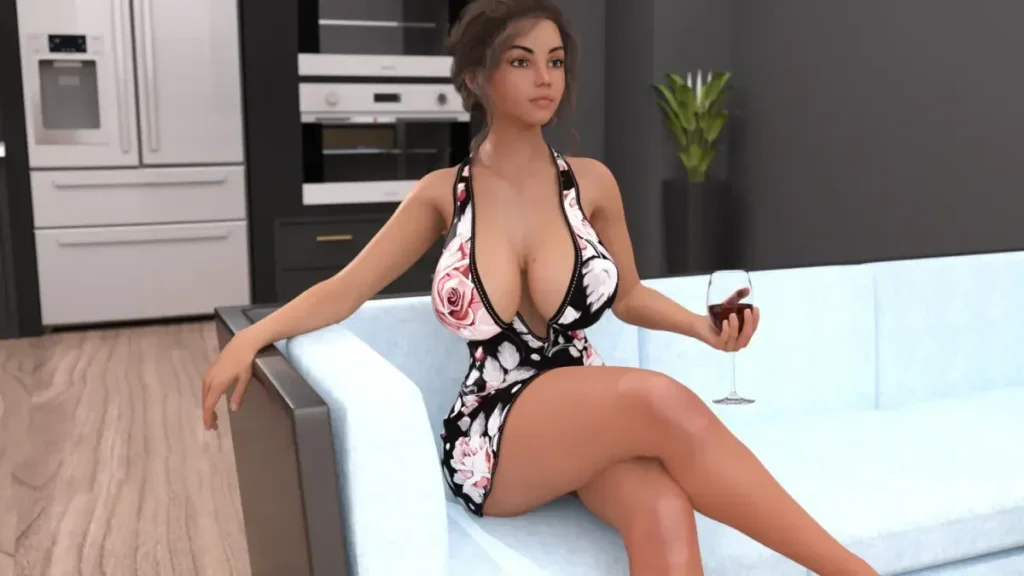
Unnatural Instinct review
Explore the gripping story, mechanics, and thrills of this adult visual novel
Imagine stepping into a shadowy manor where every choice pulls you deeper into a web of power plays and hidden urges—that’s Unnatural Instinct in a nutshell. This adult visual novel by Merizmare, now at version 0.8.5, blends psychological suspense with branching narratives and intimate encounters. I remember my first playthrough; what started as curiosity turned into hours of tense decision-making, questioning my own boundaries. If you’re into games that make you complicit in the drama, Unnatural Instinct game delivers. In this guide, we’ll uncover its core premise, mechanics, and why it stands out in the adult gaming scene.
What Makes Unnatural Instinct So Addictive?
I still remember the first time the atmosphere in the game shifted on me. 😳 I was just exploring the manor’s library, thinking I was safe, when the background music faded into this oppressive silence and the description text turned cold and observant. It was no longer just a place; it was watching me. That’s the genius of Unnatural Instinct. It doesn’t just tell you a story—it makes you feel the psychological weight of every step you take. You’re not playing a character so much as you are being gently, then not-so-gently, molded by the environment and its inhabitants. So, what is it about this Unnatural Instinct game that hooks you so deeply and refuses to let go? Let’s dive in.
Unveiling the Core Premise and Setting
If you’re asking “what is Unnatural Instinct?” at its heart, it’s a masterclass in immersive discomfort. 🏰 The Unnatural Instinct premise is deceptively simple: you play as an outsider, someone with modest means and a life that feels too small, who gets drawn into the orbit of the elite and enigmatic residents of the Avalon Club and its surrounding world. This isn’t a fantasy realm with elves and orcs; it’s a sleek, modern, yet profoundly off-kilter version of our own world. The supernatural elements are subtle—a whisper of something more in a character’s gaze, the way a shadow moves just wrong, a rule of reality that seems slightly bent. It’s the uncanny valley of storytelling, and it’s utterly brilliant.
You’re not a chosen hero. You’re prey. Or are you a player? The game constantly keeps you guessing. The setting itself is a character—from the opulent, suffocating rooms of the manor to the vibrant, dangerous pulse of the city’s exclusive districts. This world is built on hidden hierarchies and unspoken rules, and your survival depends on learning them. The core Unnatural Instinct story begins with this entrapment, this seductive invitation into a web of influence. You’re surrounded by characters who hold power—social, financial, or something more unsettling—and your journey is about navigating, leveraging, or succumbing to that force. This foundational tension is what makes the Unnatural Instinct game so immediately compelling.
How Player Choices Shape Your Journey
This is where the addiction truly takes root. The Unnatural Instinct story isn’t a track you ride; it’s a garden you explore, and every path is lined with thorny roses. 🌹 Your choices aren’t just about being “nice” or “rude.” They’re about vulnerability, cunning, submission, and defiance. A single dialogue option can shift a character’s perception of you from a charming novice to a dangerous rival, or from an interesting toy to a genuine obsession.
Let me give you a case study from my own playthrough. In one route, I decided my character would be curious but self-preserving. I agreed to a seemingly minor request from a dominant character—just fetching a private document. It felt like a test of loyalty. I passed it, gaining a sliver of trust. But that trust became a chain. Later, that “minor” favor was the leverage used to pull me into a much darker scheme. My initial curiosity, my desire to see more of the world, had functionally signed a contract in blood I didn’t know I was reading. I felt betrayed, but by the game? No. By my own choices. The game had simply presented the logical, chilling consequence.
Actionable Advice: Create multiple save files at key decision points! Don’t just rely on quick-saves. Label them clearly. This allows you to bravely experiment with dangerous choices, knowing you can retreat, and it lets you fully appreciate the staggering breadth of the Unnatural Instinct story.
The power dynamics in Unnatural Instinct are the engine of this choice system. Are you going to openly challenge the intimidating art collector, or subtly flatter his ego to gain an advantage? Will you offer genuine comfort to another character who seems as lost as you, building an alliance, or will you exploit their weakness for your own gain? The game tracks your behavior meticulously, locking and unlocking paths based on a complex web of reputation, affinity, and fear. You’re constantly asking: “Am I gaining power, or am I just trading one master for another?” This isn’t just gameplay; it’s an emotional and psychological simulation.
Why the Psychological Themes Hit Hard
You can have great choices and a cool setting, but the lasting impact comes from the themes that burrow into your brain. The psychological themes Unnatural Instinct explores are not for the faint of heart. This is a deep, often uncomfortable dive into the human psyche under pressure. In my Unnatural Instinct review of the experience, this is the element that elevates it from a great game to an unforgettable one.
The game forces you to confront consent and complicity. Early on, you might make choices from a position of having “no other option.” But as you continue, you realize you always had an option—just a worse one. That slow realization that your obedience is a form of collaboration is chilling. It makes you complicit. You start to wonder if you’re trapped because of them, or because some part of you wants to be here, seduced by the danger and the promise of being someone’s exclusive focus. 😶
Then there’s the blurring of identity and selfhood. In a world where so much depends on playing a role—the innocent, the schemer, the submissive, the rebel—where does the performance end and “you” begin? The game’s characters are masters of manipulation, and they reflect back at you the version of yourself you project. It creates a dizzying feedback loop that had me, as a player, questioning my own motives. Was I making this choice because it was smart, or because I was falling for a digital character’s crafted persona?
To break down how masterfully this is woven into the experience, let’s look at the key themes:
| Theme | Exploration Method | Player Impact |
|---|---|---|
| Power & Control | Through dialogue choices that assert dominance or submission, and resource management (favors, secrets). | Players feel the tangible shift in relationship dynamics, creating tension, fear, or thrilling superiority. |
| Consent & Complicity | Via “soft” coercion in scenarios where refusing has severe social or practical consequences, not just a “game over.” | Generates deep moral unease and reflection on real-world pressures and the gray areas of agreement. |
| Identity & Selfhood | Through character reactions that change based on your chosen persona, and internal monologue that evolves. | Causes players to question their own role-playing motives and invest deeply in their chosen path’s consequences. |
This table shows why the Unnatural Instinct game feels so personal and alive. It’s not commenting on these themes from a distance; it makes you live them through interactive systems. The power dynamics in Unnatural Instinct aren’t just plot points; they are the very mechanics you use to play.
This is why, in my final assessment for this Unnatural Instinct review, the game stands apart. It respects your intelligence and emotional capacity. It trusts you to sit with discomfort and ambiguity. The thrills aren’t just about risqué content; they’re about the heart-pounding moment you click a dialogue option that you know will change everything, the dread and excitement of seeing a character’s smile turn predatory because you prompted it. The world of Unnatural Instinct feels alive because it reacts, remembers, and reshapes itself around the identity you choose to project. It’s a dark, dazzling mirror, and becoming addicted to your own reflection in it is the greatest thrill of all. 🔮
Unnatural Instinct isn’t just another adult game—it’s a masterclass in tension, choice, and self-discovery that lingers long after you close it. From the manor’s eerie shifts to the Instinct System’s subtle nudges, every element pulls you into its world of temptation and consequence. My own dives into its branches taught me how far I’d go for the next reveal. If you’re ready for a narrative that challenges and excites, grab version 0.8.5, fire up RenPy, and let your instincts guide you. Dive in today—what path will you carve?