Take Over
Play Take Over
Take Over Screenshots
Take Over review
Story, gameplay, choices and tips for getting the most out of Take Over
Take Over is an adult-focused visual novel that mixes a corruption-themed narrative with management elements, branching choices, and a cast of distinct characters. If you have seen screenshots or heard people talking about its story and are wondering whether Take Over is worth your time, this guide is for you. I will walk through the core premise, how the game actually plays, what to expect from the main routes and updates, and share some personal impressions from extended play. By the end, you’ll have a clear sense of how Take Over works, how to progress efficiently, and whether its particular blend of storytelling and systems fits your tastes.
What Is Take Over and How Does It Play?
So, you’ve heard the name and you’re curious. What is Take Over? Is it just another visual novel, or is there something more to it? 🤔 Let me cut through the noise. At its core, Take Over is an adult-themed narrative experience built on a potent mix of story, strategy, and gradual, satisfying progression. It’s a game about influence, control, and weaving a web of power in a modern city that’s ripe for the taking.
Think of a shadowy organization, not with brute force, but with subtle manipulation. Your playground is a sprawling city divided into distinct districts, each with its own characters, stories, and secrets. Your goal? To expand your influence from the ground up. This isn’t about instant gratification; it’s a slow-burn narrative where your choices, patience, and strategy determine how your empire—and your relationships—grow.
What is the core premise of Take Over?
The Take Over game drops you into the shoes of a new operative for a clandestine group known simply as The Organization. Your mission isn’t to conquer with armies, but to corrupt and control from within. 🕶️ The core premise of Take Over is beautifully straightforward yet deeply engaging: you must infiltrate various sectors of the city—starting from a humble base—and gradually bring key individuals and locations under your sway.
The city itself is a character. From downtown business centers to suburban neighborhoods, each district in this Take Over visual novel holds unique storylines and characters. You’ll encounter businesswomen, students, professionals, and more, each with their own lives, desires, and vulnerabilities. Your tools are not weapons, but information, influence, and carefully chosen words. The theme of corruption is central, but it’s often presented as a seductive transformation, a mutually beneficial arrangement where you offer something in return for loyalty.
This setup creates a fantastic narrative sandbox. What is Take Over if not a power fantasy with a brain? You’re not just watching a story unfold; you’re actively directing it through a combination of narrative choices and light resource management. The sense of starting small and building something significant is incredibly compelling and is the beating heart of the Take Over gameplay experience.
How does Take Over’s gameplay loop work?
If you’re wondering how does Take Over work on a practical level, let’s break down its daily rhythm. The Take Over gameplay is a clever blend of classic visual novel storytelling and turn-based strategy elements. The game progresses day by day, and each day you have a set amount of Action Points (AP) to spend. This is where your strategic mind comes into play.
Your basic loop will look something like this:
* Read Story Scenes: Advance the main plot or character-specific events through high-quality 3D renders and dialogue.
* Choose Daily Actions: Spend your AP on activities like “Work” (to earn money), “Research” (to unlock new abilities or upgrades), “Train” (to increase your core stats), or “Socialize” (to interact with a specific character).
* Manage Stats & Resources: Key attributes like Influence, Control, Intelligence, and Charisma, along with money and other items, are crucial for unlocking new dialogue options and story paths.
* Unlock New Events: As your stats rise and your relationships deepen, new scenes, locations, and story branches become available.
* Progress the Story: Weave it all together to complete objectives for The Organization, take over new districts, and delve deeper into each character’s personal journey.
The beauty of this system is in its balancing act. Do you spend a week boosting your Income to afford a crucial upgrade, or do you focus all your time on a single character to unlock their next story beat? There’s no single right answer, which encourages replayability. The Take Over visual novel framework ensures the story is always at the forefront, while the management layer gives weight and consequence to your narrative choices.
To visualize how you might spend your time, here’s a breakdown of common early-game priorities:
| Activity Type | Primary Goal | Key Stat Affected |
|---|---|---|
| Work / Business | Generate in-game money for upgrades and bribes. | Income, Capital |
| Research & Training | Unlock new abilities and permanently increase core stats like Influence. | Intelligence, Control, Charisma |
| Character Interaction | Deepen relationships, unlock unique scenes, and progress personal storylines. | Relationship Score, Trust |
| District Missions | Complete specific tasks to expand your organization’s hold on a city area. | District Control, Organization Reputation |
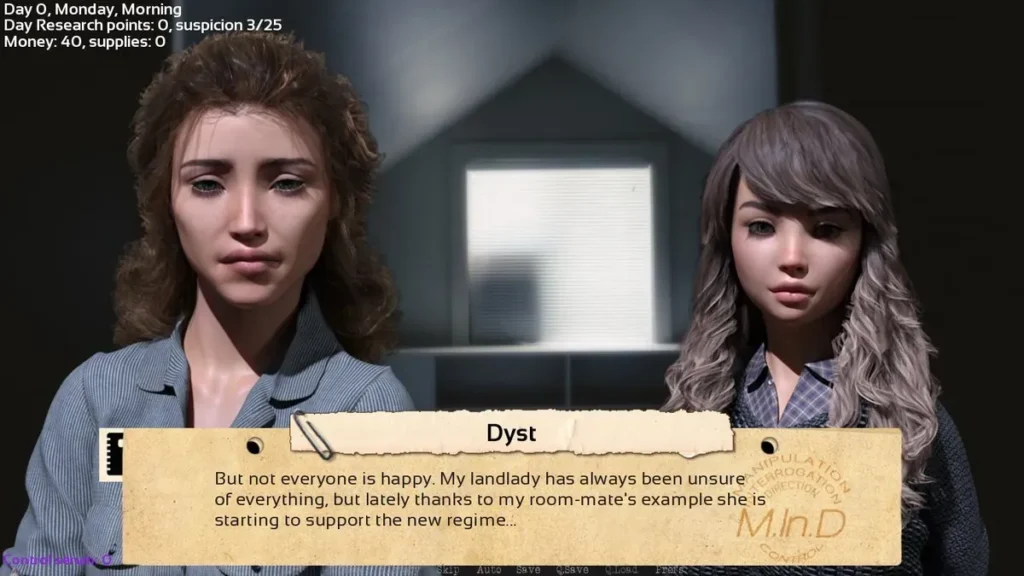
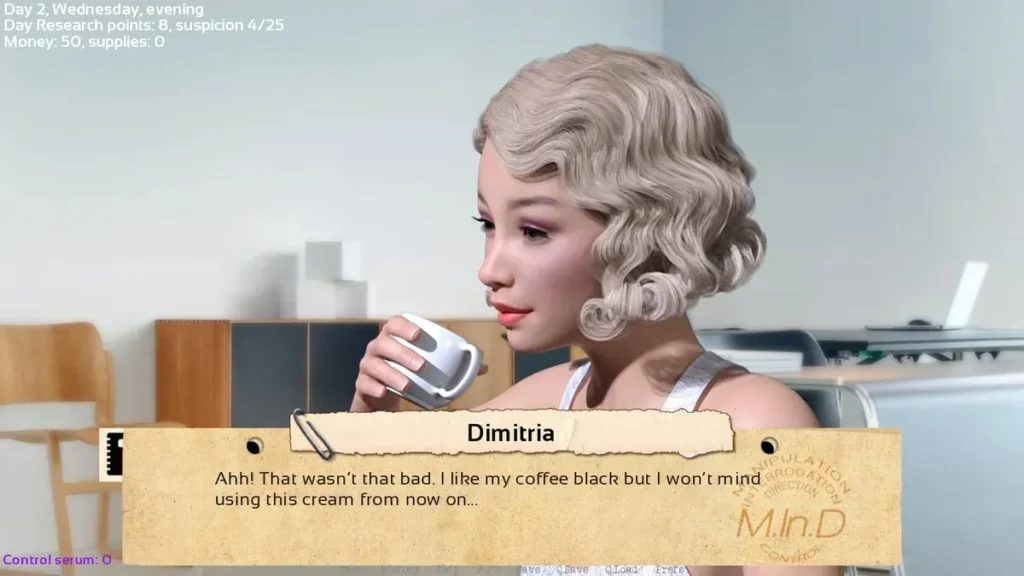
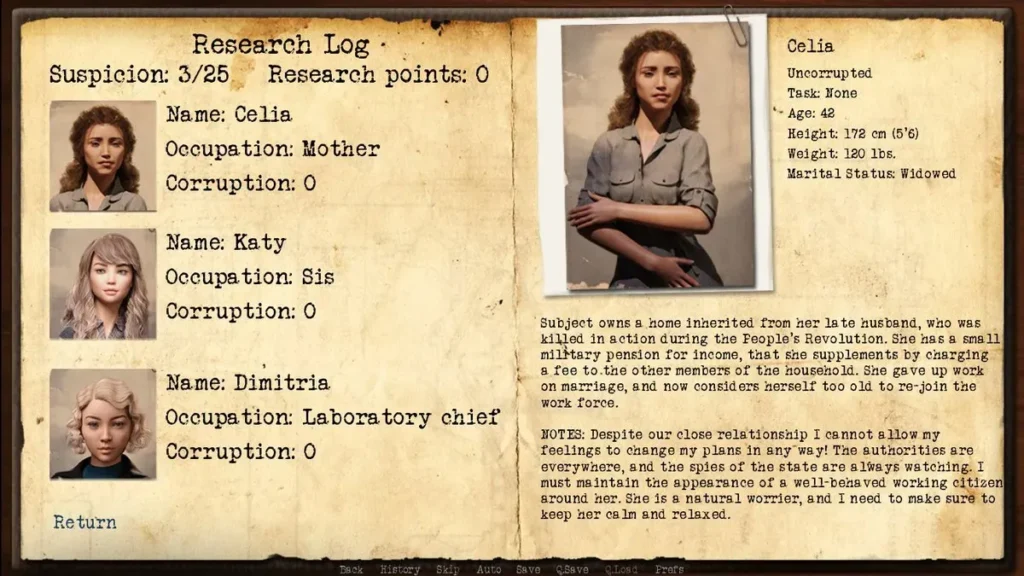
The UI is clean and intuitive, clearly presenting your stats, resources, and available actions. The visual style uses polished 3D character models and environments, which perfectly supports the game’s modern, seductive, and sometimes tense tone. It’s a Take Over game that understands its identity and uses its presentation to enhance the atmosphere of gradual conquest.
My first hours with Take Over: honest impressions
Jumping into a new game with complex systems can be daunting. My Take Over first impressions? A mix of intrigue and slight overwhelm. The first in-game week felt like drinking from a firehose. 😅 There were so many characters introduced, stats to track, and actions vying for my limited AP. I remember staring at the screen, paralyzed by choice: “Should I go to the Downtown Office, visit Sarah at the college, or just stay in and research better surveillance tech?”
I made what I thought were terrible mistakes. I spent three days straight just working a boring job to get cash, worried I was missing story content. I picked dialogue options that seemed to lead nowhere. I thought I had ruined my save. But here’s the crucial thing I learned—and my biggest piece of advice for new players: Take Over is incredibly forgiving. It’s very hard to truly hit a dead end or “soft-lock” your progress. The game encourages experimentation.
By the second week, the rhythm clicked. The early game is deliberately slower, focused on setup and teaching you the systems. This Take Over game review moment of clarity was golden. Once my core stats reached certain thresholds, the world opened up. New locations appeared on the map, character conversations had more depth and options, and I started to feel the real power of my growing influence. The sense of progression is tangible and deeply rewarding.
Strengths I Noted:
* Clear, Committed Tone: The game knows what it is and delivers its themes with confidence.
* Distinct Characters: Each person you meet feels unique, with their own story arc that reacts to your involvement.
* Fantastic Progression Curve: You genuinely feel yourself growing from a novice to a master manipulator.
Weaknesses to Consider:
* Some Grindy Sections: To gate progression, you will occasionally need to spend days on repetitive actions to raise a stat or earn money. Using the “skip” function helps here.
* Occasional Repetition: The “daily action” text can become repetitive, though this is common in games with this structure.
It’s also vital to remember that Take Over is a living, ongoing project. Developers release regular updates that add new story content, characters, quality-of-life features, and sometimes entirely new mechanics. The game you play today might have even more paths and polish tomorrow.
So, if you’re starting your first run, here’s my actionable advice: Don’t stress about min-maxing. Pick one or two characters that interest you and follow their stories. Spend your AP without fear. See what happens when you focus on money, or when you pump all your effort into Intelligence. Your first playthrough of this Take Over visual novel should be about discovery and enjoying the narrative flow. You can always start a new game later with a ruthless strategy in mind.
“My first week in Take Over felt like being lost in a strange city. By the third week, I felt like I owned the map. That transition from confusion to control is exactly what the game does best.”
Understanding what is Take Over and how does Take Over work is the first step to appreciating its depth. It’s a game that rewards patience and engagement, blending a compelling story with satisfying strategic layers. Whether you’re here for the narrative, the management, or the unique theme, there’s a rich experience waiting to be uncovered.
Take Over blends a corruption-focused narrative with a day-by-day progression system that rewards curiosity, experimentation, and long-term planning. Once you get past the slightly dense opening hours, the routine of choosing actions, following character events, and nudging the city in the direction you prefer becomes surprisingly compelling. If you enjoy story-driven games where your choices steadily reshape characters and environments, Take Over is worth giving a fair shot. Start by exploring at your own pace, pay attention to character reactions, and do not worry too much about playing perfectly on your first run—learning the system is part of the fun.