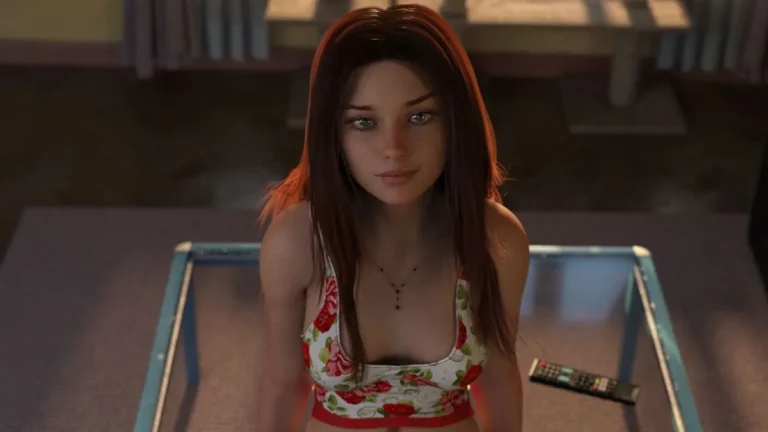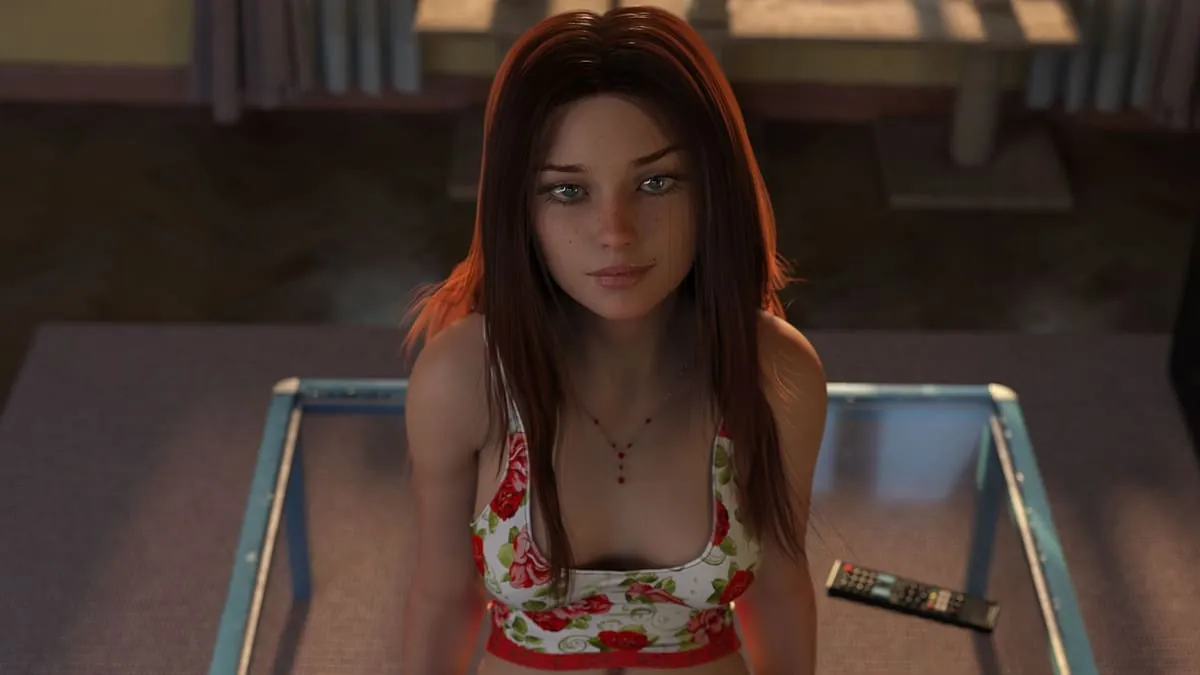
Summer’s Gone
Play Summer’s Gone
Summer’s Gone Screenshots















Summer’s Gone review
Explore the narrative depth, character relationships, and gameplay mechanics of this acclaimed interactive experience
Summer’s Gone stands out as a narrative-focused interactive visual novel that prioritizes storytelling over traditional gameplay mechanics. Developed by Oceanlab, this multi-chapter experience follows a young protagonist recovering from trauma as they navigate college life and uncover mysteries. Unlike typical games in its genre, Summer’s Gone emphasizes character development, meaningful choices, and an intricate branching narrative where even minor decisions impact the overall story. With millions of choice variations and multiple character routes, the game offers substantial replay value for players seeking deep, character-driven narratives with mature themes.
Understanding Summer’s Gone: Core Gameplay and Story Foundation
If you’ve ever felt that most visual novels offer a beautiful but ultimately linear story, then prepare to have your expectations completely reshaped. Summer’s Gone isn’t just another game in the genre; it’s a profound, interactive narrative game that places the weight of the story directly in your hands. 🎮✨ From the very first decision, you’re not just reading a tale—you’re actively molding it, forging deep connections, and navigating the delicate aftermath of trauma. This guide will walk you through the core of what makes this experience so captivating, from its foundational story to the intricate branching story choices that define your personal journey.
What Makes Summer’s Gone Different From Other Visual Novels
Let’s be honest: many visual novels can feel like glorified slideshows. You click, the pretty pictures change, and maybe you get a choice between two endings. I’ve played my fair share, and often, I’m left wanting more agency. 🤔 Summer’s Gone fundamentally rejects that passive approach. Developed by Oceanlab, this project is built from the ground up as a narrative-driven game experience where your choices aren’t just illusions—they are the DNA of the story.
The most striking difference is the sheer consequence of your actions. In a typical visual novel, a choice might change a line of dialogue. Here, telling a character to join the chess club in Chapter 2 can determine whether they have a pivotal, private conversation with you in Chapter 4, unlocking entire scenes and relationship paths that are otherwise permanently closed. The game remembers everything, creating a unique narrative fingerprint for every player. Your version of the story will have a different emotional rhythm, different moments of tension, and different pockets of joy compared to mine. That’s the magic of true choice-based storytelling.
To illustrate just how distinct this approach is, let’s break it down visually:
| Feature | Typical Visual Novel | Summer’s Gone |
|---|---|---|
| Choice Impact | Often leads to minor dialogue shifts or a final ending branch. | Seemingly small choices have cascading effects, locking or unlocking scenes, dialogues, and relationship progress chapters later. 🧩 |
| Narrative Depth | Focus on a central plot or romance route. | Interweaves protagonist trauma, mystery, college life, and complex character arcs into a rich, slow-burn tapestry. |
| Replay Value | Limited, often to see 2-3 different endings. | Exceptionally high. New playthroughs reveal completely different scenes and character dynamics, making each run a fresh discovery. 🔄 |
| Character Relationships | Often linear progression on a chosen “route.” | Dynamic, organic, and often competitive. Building a connection with one character can actively alter your standing with another. |
This design philosophy makes Summer’s Gone gameplay mechanics entirely centered on narrative influence. There are no mini-games or stat management to distract you—the “gameplay” is the act of living within the story and dealing with the repercussions of your personality and decisions.
The Story Framework: From Trauma to College Life
At its heart, Summer’s Gone is a story about healing—or attempting to. 🏥💔 You step into the shoes of a young man shattered by a past trauma so profound it has left him emotionally withdrawn and adrift. The game doesn’t shy away from this heavy start; it uses it as the crucial foundation for all future growth. The early chapters are a masterclass in atmosphere, painting a picture of isolation that you, as the player, genuinely feel compelled to break out of.
This journey from trauma into the chaotic world of college life is the engine of the plot. As the protagonist is pushed to re-engage with the world, you encounter a cast of characters who are far more than love interests; they are catalysts, mysteries, and mirrors. The transition to college isn’t just a change of scenery—it’s the opening of a Pandora’s box of new relationships, old secrets resurfacing, and personal challenges. 🎓✨ The narrative expertly balances the internal struggle of recovery with external mysteries that slowly unfold, ensuring the plot always has a compelling forward momentum.
The structure is released in substantial chapters (with the story currently at the rich Chapter 4.5 Beta), each acting like a season of a premium TV series. A single chapter can introduce new characters, deepen existing bonds, and shift the overarching mystery in significant ways. This episodic delivery from Oceanlab allows for incredibly detailed storytelling and high-quality renders that make every scene feel cinematic.
How Choices Shape Your Unique Narrative Path
This is where Summer’s Gone truly earns its stripes as a premier interactive narrative game. The branching isn’t a gimmick; it’s the core of the experience. Think of the story not as a book with alternate endings, but as a vast, interconnected web. A single choice is a thread you pull, and the entire web trembles, changing shape in distant places you haven’t even reached yet. 🕸️
Let’s talk specifics, because this is the most thrilling part for any story-driven gamer. The character relationships visual novel aspect is deeply tied to this system. Say you’re interacting with Bella, the intense and often abrasive tennis player. Early on, you might have the option to challenge her blunt demeanor or cautiously agree with her.
- Choice A (Challenge her): This might earn her begrudging respect, unlocking a later scene where she seeks you out for a rare moment of vulnerability.
- Choice B (Agree cautiously): This could paint you as timid in her eyes, closing off that vulnerable path but potentially opening a different dynamic where she sees you as non-threatening company.
Now, imagine this playing out across the entire cast—Nami, with her deeply complicated history with the protagonist; the creative and kind Mila; the enigmatic Victoria; the confident Zara. Pursuing a connection with Victoria might mean you miss a crucial study session with Mila, which changes how she perceives your reliability. The game masterfully creates a living social ecosystem where your attention is a valuable currency. 💸❤️
Pro Tip: Don’t reload saves immediately after a choice you think is “wrong.” Some of the most memorable and authentic moments in my playthroughs came from unintended consequences. The story remains compelling and coherent even on paths you didn’t plan for—that’s the sign of masterful choice-based storytelling.
This approach makes every dialogue meaningful. You’re constantly asking yourself: “What does this say about my character? How will this person remember this moment?” It transforms the experience from passive consumption into active role-playing. Your narrative path becomes a personal artifact, shaped by your instincts, your sympathies, and your curiosities.
The technical side supports this ambition beautifully. While the file size is a substantial 6.18 GB, that space is packed with high-quality visuals, animations, and the vast amount of content needed to support so many branching paths. Available on Windows, Linux, Mac, and Android, it’s a accessible experience for anyone seeking a deep, narrative-driven game experience.
Oceanlab’s commitment is evident in every update. They aren’t just adding more story; they are expanding a universe, refining the system that makes the Summer’s Gone visual novel so special. In a landscape crowded with straightforward stories, this game stands as a testament to the power of putting the player in the author’s chair, offering a level of narrative ownership and complexity that is, frankly, rare and exhilarating.
FAQ: Your Summer’s Gone Questions Answered
Q: How permanent are my choices? Do I get a chance to fix things later?
A: Choices in Summer’s Gone are largely permanent and consequential. The game is designed to reflect the weight of real decisions—you rarely get a clear “redo.” However, this isn’t about punishing you. It’s about making your story unique. A “mistake” often leads to a different, but equally interesting, narrative branch or character dynamic you wouldn’t have seen otherwise. Embrace the path you’re on!
Q: Can I romance multiple characters at once?
A: The game’s character relationships are organic and complex. While you can develop connections with multiple characters, they are often aware of each other. Pursuing multiple romantic paths simultaneously can lead to jealousy, closed-off content, and dramatic consequences. The social dynamics feel real, so pursuing a harem route is a high-risk strategy that will significantly alter the story.
Q: How long is a single playthrough, and is replaying really worth it?
A: A single playthrough of all current content (Chapter 4.5 Beta) can take many hours, depending on your reading pace. More importantly, replay value is incredibly high. A second playthrough with different core choices can reveal entirely new scenes, dialogues, and character interactions, making it feel like a significantly different story. It’s the best way to appreciate the depth of the branching story choices.
Q: Is the story complete?
A: Not yet. The game is in active development by Oceanlab, with the narrative currently at Chapter 4.5 Beta. New chapters are released as substantial updates that expand the world, characters, and branching possibilities. Playing now means joining a growing, evolving story.
Q: I’m not a fan of certain mature themes. How focused is the game on that content?
A: While the game is intended for a mature audience, its primary and overwhelming focus is on psychological storytelling, character development, and relationship building. It handles themes of trauma and emotional recovery with care. Any mature content is secondary to the narrative-driven game experience and is often avoidable based on your choices, aligning with the game’s philosophy of player-directed storytelling.
Summer’s Gone represents a significant entry in the visual novel genre, distinguishing itself through its unwavering commitment to narrative quality and meaningful player agency. The game’s complex branching system, where hundreds of choices create unique story variations, offers players a genuinely personalized experience that rewards multiple playthroughs. With its focus on character development, emotional storytelling, and the protagonist’s journey from trauma to recovery, Summer’s Gone appeals to players seeking depth and substance in their interactive entertainment. Whether you’re drawn to the intricate relationship dynamics, the mystery-laden college setting, or the satisfaction of discovering how your choices reshape the narrative, Summer’s Gone delivers a compelling experience that transcends typical genre conventions. For those interested in story-driven games with meaningful consequences, exploring Summer’s Gone provides hours of engaging, character-focused gameplay that continues to evolve with each new chapter release.