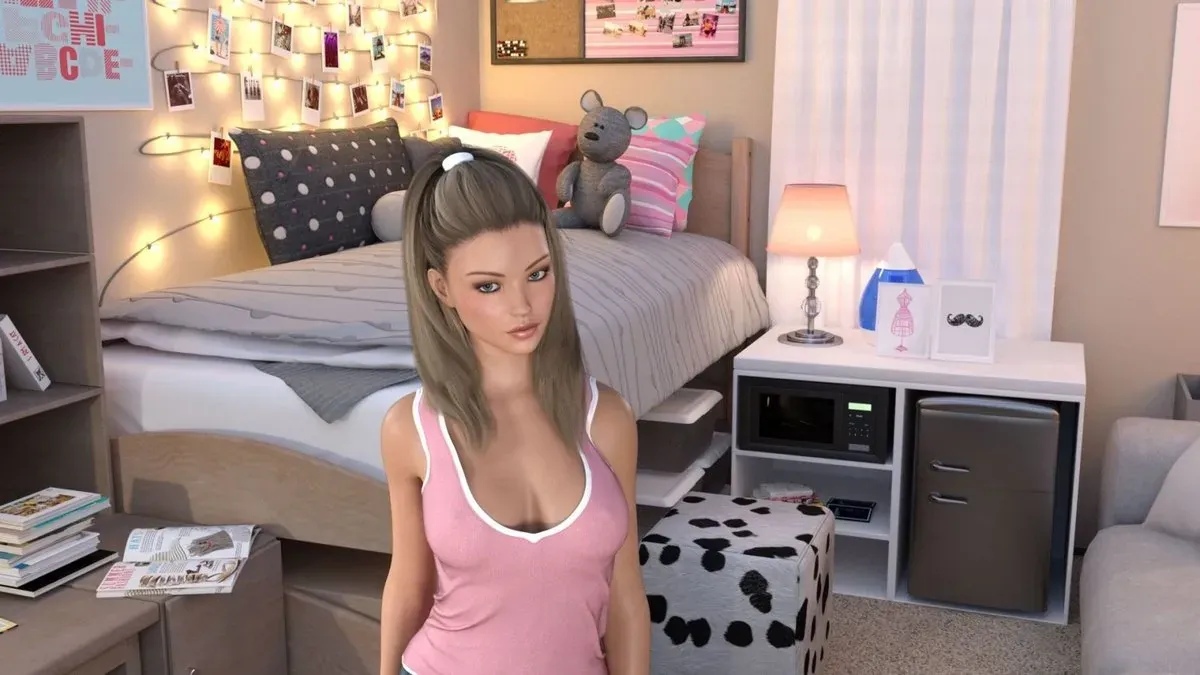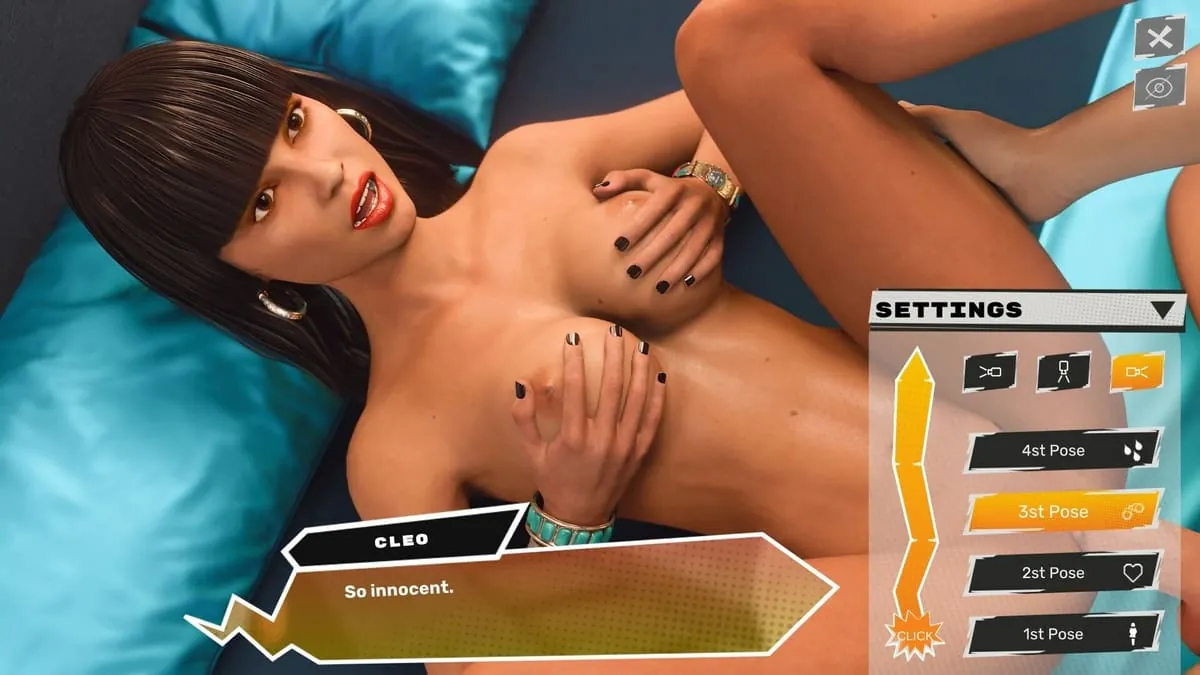
Summer with Mia
Play Summer with Mia
Summer with Mia Screenshots

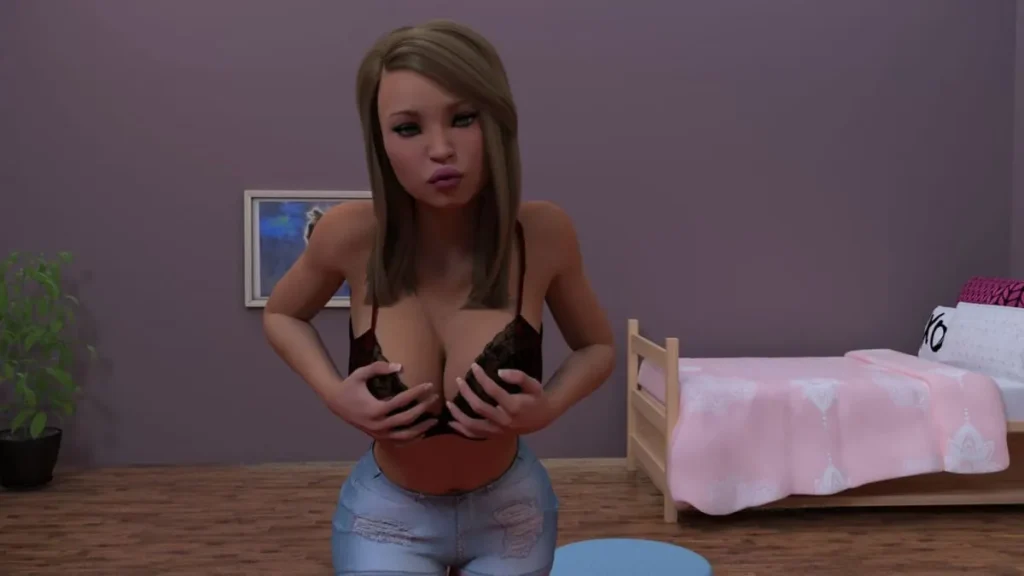
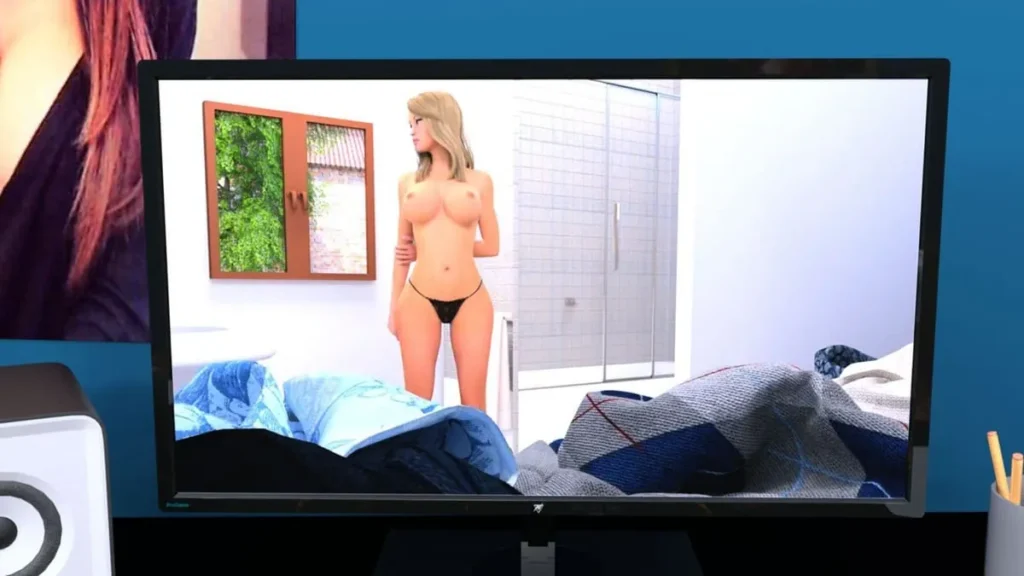
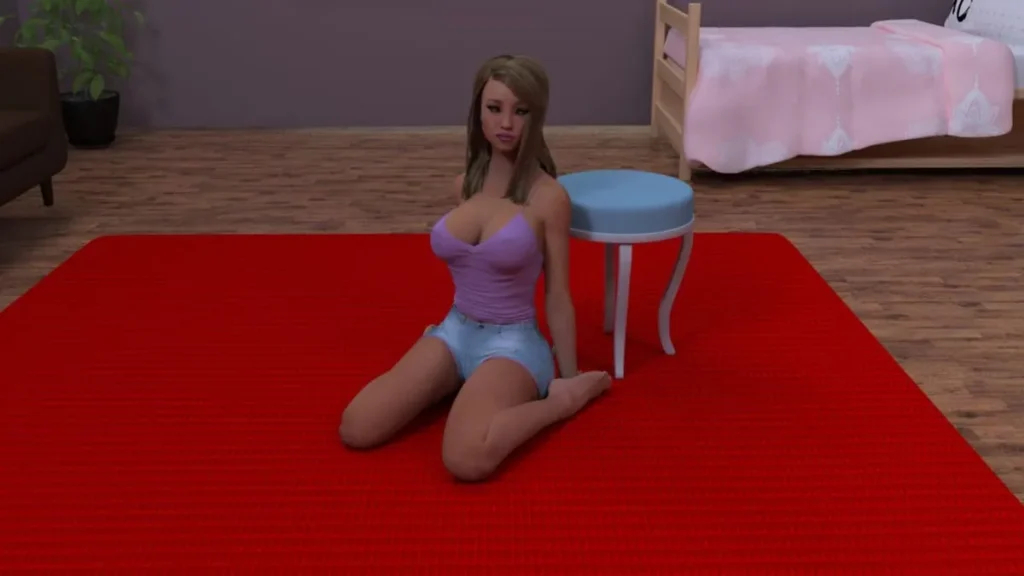
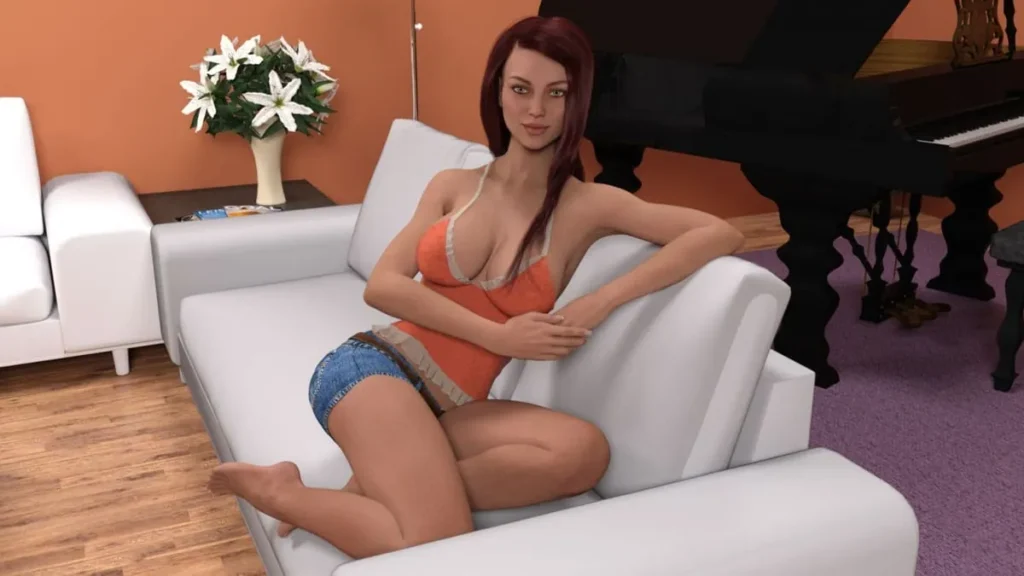
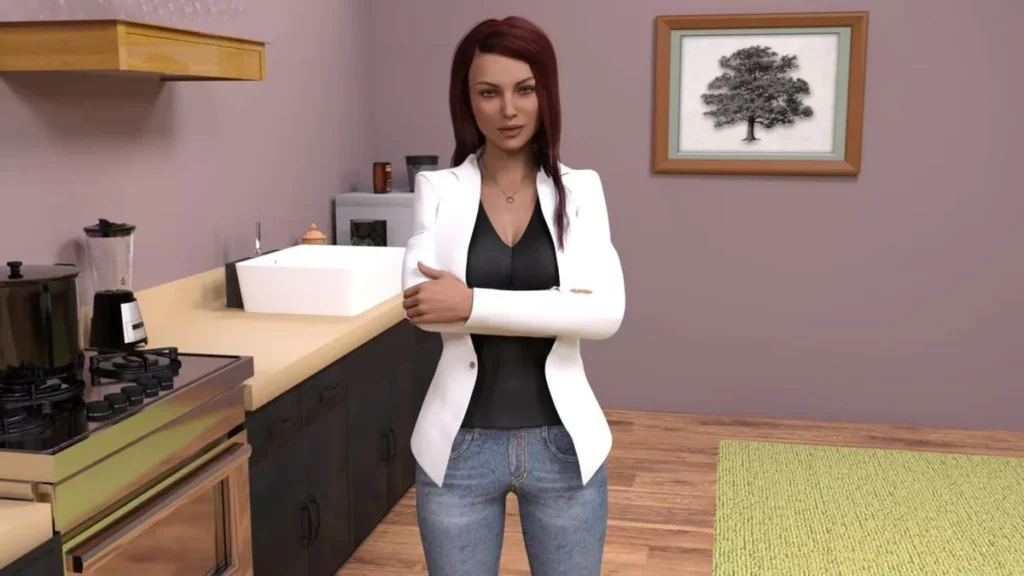
Summer with Mia review
Everything you need to know about gameplay, features, and mechanics
Summer with Mia Season 1 is an adult visual novel game that combines narrative-driven storytelling with interactive gameplay elements. The game follows a protagonist navigating a summer break filled with relationship dynamics and personal choices. Originally developed as an RPG Maker title, this version offers enhanced graphics and customizable character relationships. Whether you’re new to the game or looking to understand its mechanics better, this guide covers everything from core gameplay features to platform availability and community feedback.
Game Overview and Core Mechanics
Ever had one of those summers that just felt… infinite? ☀️ The kind where school is a distant memory, the days are long, and anything seems possible? That’s the exact feeling Summer with Mia Season 1 captures, but with a thrilling twist: your choices write the story. Imagine finishing high school, your parents jet off on a long trip, and you’re left with a sprawling house and a whole summer to fill. That’s your starting point in this deeply engaging interactive narrative game.
I remember firing up the game for the first time, expecting a simple story. What I got was a captivating world where my decisions, from what to say over breakfast to how to spend a rainy afternoon, genuinely shaped the people and events around me. It’s more than a game; it’s a personalized summer adventure. This guide will walk you through everything you need to dive in, from the core Summer with Mia Season 1 gameplay loop to the nuances of its relationship systems. Let’s unlock that summer potential together.
### What is Summer with Mia Season 1?
At its heart, Summer with Mia Season 1 is a choice-based storytelling game that masterfully blends visual novel elegance with immersive life-simulation elements. You step into the shoes of a young adult (whose name you can choose!) who has just graduated. With your parents traveling for work, you’re granted unexpected freedom in your own home. The premise is simple but powerful: how will you spend your summer?
The narrative revolves around your reconnection with Mia, your childhood friend who has blossomed into a remarkable young woman during the years you were apart. The story explores your evolving relationship with her and a small cast of other characters, dealing with themes of friendship, maturity, self-discovery, and romance. It’s a story about potential—the potential of a season, of a relationship, and of yourself.
Pro Tip: Don’t rush! The beauty of this interactive narrative game is in the quiet moments. Spend time exploring the house, checking different locations at different times of day, and just soaking in the atmosphere. You’ll often find unique interactions or bits of story you’d otherwise miss.
A crucial piece of context for long-time fans or newcomers is the game’s evolution. This Season 1 represents a significant glow-up from its original RPG Maker foundations. The developers have rebuilt the experience from the ground up, resulting in vastly superior visual novel mechanics, polished graphics with detailed character sprites and expressive portraits, and a much more fluid and intuitive interface. This isn’t just a port; it’s a full reimagining designed to deliver a seamless and visually stunning narrative experience. The attention to detail in the visuals now perfectly matches the depth of the writing.
It’s also important to approach the game with the right expectation: it contains mature themes and content woven into its story. The game handles these elements as part of its narrative of personal growth and complex relationships. For players who appreciate context-driven mature storytelling, it adds a layer of realism and stakes to your choices. And thoughtfully, the developers include a Panic Button feature—a simple key press that instantly hides the game window. It’s a small but considerate tool that respects your privacy.
### Gameplay Features and Interactive Elements
So, how to play Summer with Mia? If you’re new to the genre, fear not. The core loop is intuitive but rich with possibility. Each in-game day presents you with a series of time blocks (morning, afternoon, evening). Your primary action is choosing where to go. Will you hang out in the living room, cook in the kitchen, relax in the backyard, or visit the town center?
This is where the magic of Summer with Mia Season 1 gameplay truly shines. Every location can trigger events, conversations, or special scenes with characters. The game world is reactive. Mia and others have their own schedules and moods, so finding them and engaging in dialogue feels organic, not scripted in a rigid line.
The dialogue system is the engine of this choice-based storytelling game. You are constantly presented with response options that vary in tone, intent, and vulnerability. There are no clearly marked “good” or “bad” choices. Instead, your selections naturally influence multiple hidden meters and flags that track relationship dynamics, character impressions, and story progression. A supportive comment might strengthen a bond, while a sarcastic joke could create distance or change how a character perceives you for days.
- Key Gameplay Features & Mechanics Breakdown:
- Time Management: Plan your day by choosing locations for each time period. Some events or character interactions are only available at specific times or on certain days.
- Branching Dialogue Trees: Every conversation can lead down different paths. Your choices unlock new response options and can lead to entirely unique scenes.
- Hidden Relationship Values: Your standing with every character is tracked behind the scenes. These values determine their reactions, what secrets they share, and which story branches become available.
- Event Triggers: Progress is gated by both story milestones and relationship levels. Reaching a certain friendship level with a character might unlock a special outing, or completing a main story task might open a new area of the house.
- Save System: Save often and in multiple slots! The branching nature of the narrative means you’ll want to go back and explore “what if” scenarios without replaying the entire summer.
The visual novel mechanics provide the framework. You’ll spend most of your time reading beautifully written text, accompanied by expressive character portraits that change emotion based on the conversation. The background art sets the perfect scene, from sunny patios to cozy, lamplit bedrooms. It’s a testament to how strong writing and art can create immersion that rivals any big-budget 3D game.
The balance between narrative and player agency is exceptional. While there is an overarching story, you have tremendous freedom in how you approach it. You can focus solely on advancing the plot with Mia, or you can take detours to build friendships with other characters, each of whom has their own mini-arcs and rewards. One playthrough I did was entirely focused on being the best friend possible, leading to a profoundly sweet and supportive storyline that was completely different from my more romantic-focused first run. This replayability is the game’s greatest strength.
### Character Customization and Relationship Systems
While you can’t alter your protagonist’s physical appearance, Summer with Mia customization options are focused on identity and social dynamics, which is far more impactful in a narrative-driven game. The very first thing you do is name your character, making the story personally yours from minute one.
The most fascinating and deep character relationship system, however, revolves around labels. This isn’t a simple “friend” or “lover” toggle. Relationships are fluid and defined by mutual understanding—or misunderstanding. You can assign a label to your relationship with key characters, but here’s the catch: they also assign a label to their relationship with you. The magic, tension, and humor often arise from the mismatch.
| Relationship Label (Your View) | Possible Character’s View | Gameplay & Narrative Impact |
|---|---|---|
| Just Friends | Best Friends / Secret Crush | Your platonic actions might be misinterpreted as romantic, leading to awkward or heartfelt confessions. Their “crush” view might unlock flirty dialogue options for them that you didn’t expect. |
| Girlfriend/Boyfriend | Just Friends / It’s Complicated | Assuming a romantic relationship they don’t recognize can lead to rejection or conflict. If they see it as “complicated,” you may need to navigate uncertain conversations to align your perspectives. |
| It’s Complicated | It’s Complicated / Soulmates | This matching label can represent a deep, unspoken understanding. If they see you as a “soulmate” while you’re unsure, it creates dramatic potential for profound connection or painful realization. |
This system forces you to think about perception. You might see Mia as your “girlfriend” after a few sweet moments, but if she still sees you as a “childhood friend,” acting on your assumed label could backfire spectacularly. You need to read the subtext, pay attention to her reactions, and make choices that gently steer the relationship toward a mutual definition. It’s a brilliantly realistic take on human connections.
Beyond labels, your daily choices directly feed into this character relationship system. Choosing to help a character with a task, remembering a small detail they mentioned earlier, or offering emotional support at a key moment will boost your connection. Conversely, being consistently selfish, dismissive, or breaking promises will erode trust. These aren’t just point totals; they change the narrative. A high level of trust might mean a character confides a deep secret, opening a whole new side story. A low level might mean they simply stop being available to hang out, locking you out of their content.
The customization extends to your approach to the summer itself. You decide what kind of person you are. Are you a jokester, always using humor to deflect? A romantic, looking for deep connection? A pragmatist, focused on goals? The dialogue options allow you to build this personality, and the world reacts accordingly. This is the essence of how to play Summer with Mia—it’s about crafting not just a story, but a character within it.
Your journey through this digital summer is uniquely yours. From the quiet hope of the first morning to the bittersweet potential of the final evening, every decision carves your path. Summer with Mia Season 1 stands out by offering not just a story to witness, but a life to experiment with—a space where your emotional intelligence is your greatest stat. So take a deep breath, name your character, and step into the sunlight. Your most memorable summer is waiting to be written, one choice at a time.
Summer with Mia Season 1 offers a compelling narrative experience that combines choice-based storytelling with character-driven gameplay. The game’s strength lies in its branching narrative structure, which encourages multiple playthroughs to explore different relationship outcomes and story paths. Whether you’re drawn to the game for its character relationships, narrative depth, or interactive mechanics, understanding the core gameplay systems, platform options, and community feedback can significantly enhance your experience. The Panic Button feature demonstrates thoughtful design for player comfort, while the customizable character relationships provide flexibility in how you engage with the story. As you embark on your summer break adventure, remember that your choices shape the narrative, making each playthrough a unique experience. Take time to explore different dialogue options, pay attention to character development, and don’t hesitate to replay sections to discover alternative story branches that align with your preferences.