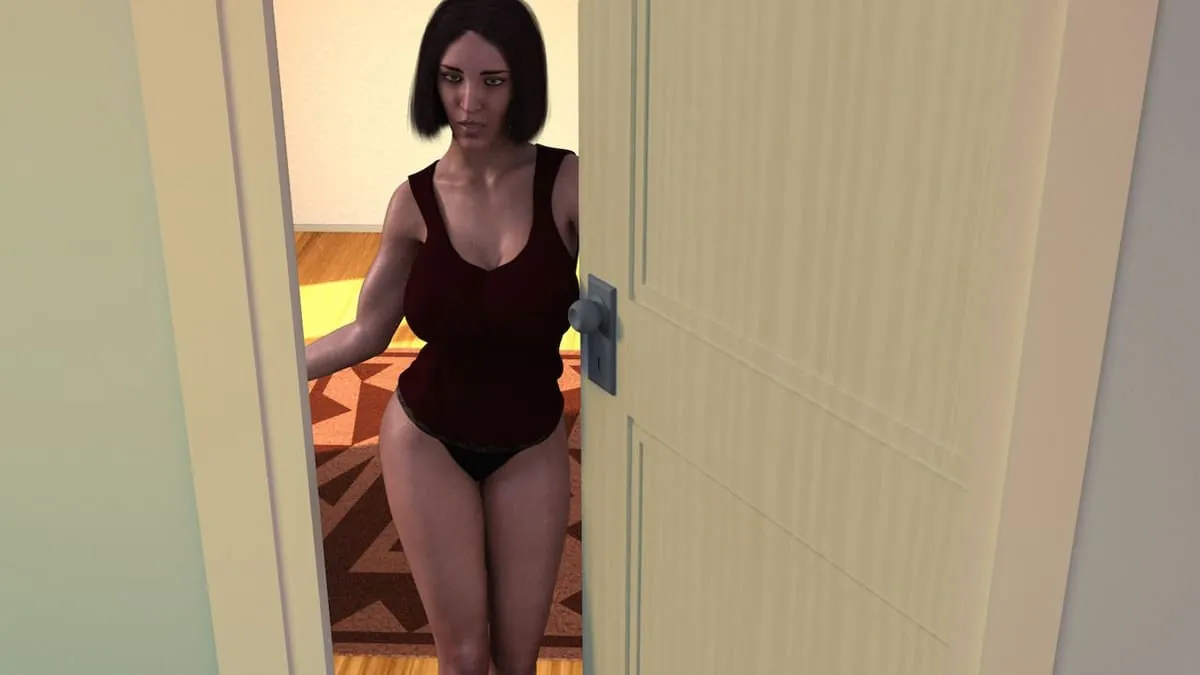
One Night Stand
Play One Night Stand
One Night Stand Screenshots


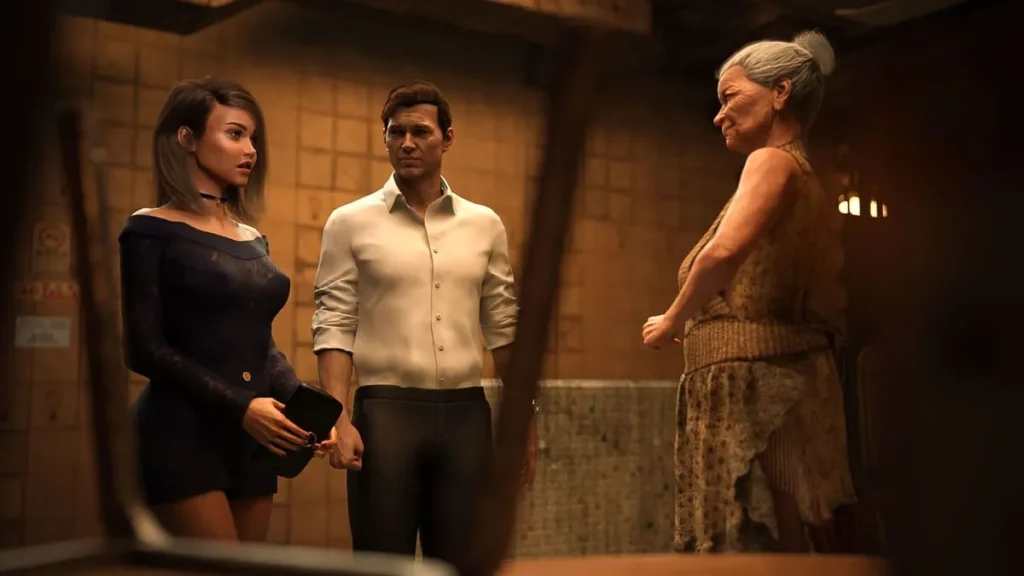



One Night Stand review
Explore gameplay mechanics, features, and what makes this visual novel experience unique
One Night Stand is a visual novel experience that combines storytelling with interactive gameplay elements. This comprehensive guide explores the game’s mechanics, visual design, audio elements, and overall player experience. Whether you’re curious about the narrative structure, character interactions, or gameplay systems, this article provides an in-depth look at what makes this title stand out in the visual novel genre. Discover the features that engage players and understand how the game balances narrative progression with interactive decision-making.
Game Overview and Core Features
Ever downloaded an adult game on a whim, only to find the gameplay as deep as a puddle and the story utterly forgettable? 🙃 I’ve been there more times than I care to admit. You’re promised a thrilling, choice-driven experience, but you end up just clicking through static images with all the emotional weight of a grocery list. It’s enough to make you give up on the genre entirely.
But what if an adult game asked you to slow down? To actually think about a conversation, to read a character’s subtle body language, and to live with the awkward, hilarious, and sometimes poignant consequences of a single, very strange morning? That’s the magic of One Night Stand.
This isn’t your typical click-fest. It’s a beautifully crafted visual novel that uses its mature themes as a lens to explore vulnerability, regret, and human connection. Forget mindless action; here, your weapon is observation, and your goal is understanding. Let’s pull back the sheets and dive into what makes this game’s design so uniquely compelling.
What is One Night Stand: Game Concept and Design
At its core, One Night Stand is a masterclass in minimalist, impactful storytelling. You wake up in a stranger’s bed, head pounding, with zero memory of the night before. The person sleeping next to you is… a complete mystery. 🤔 This is your starting point, and your entire world is this single, slightly messy bedroom.
The genius of this game concept is its incredible focus. There’s no open world to explore, no side quests, no inventory management. The entire experience is built around this one room and your interaction with one other person. This constraint forces both the developer and the player to concentrate on what truly matters: the interactive dialogue system and the fragile, unfolding dynamic between two strangers.
I remember my first playthrough vividly. I was tiptoeing around the room, terrified of waking her up, overanalyzing every object I clicked on. “Does looking at her perfume make me seem creepy or curious?” “Should I put my clothes on or search for my phone first?” This intense, intimate focus creates a level of immersion that sprawling games often struggle to achieve. You’re not a hero on an epic quest; you’re just a person in a deeply awkward situation, and every tiny choice feels monumentally important.
The design philosophy is clear: narrative depth over graphical breadth. It’s a game that trusts its writing and its art to carry the emotional weight, and that trust is well-placed. It proves that a powerful story doesn’t need a hundred hours of content—sometimes, all you need is one perfectly crafted morning.
Key Gameplay Mechanics and Systems
If the premise hooks you, the One Night Stand game mechanics are what will keep you glued to the screen, replaying to discover every possible outcome. This isn’t a passive slideshow; it’s a finely tuned machine where every system feeds into the narrative.
The heart of the experience is the interactive dialogue system. Every conversation is a delicate dance. You’ll be presented with multiple dialogue options, but here’s the catch: timers often force you to choose instinctively. Do you ask a blunt, personal question? Make a lame joke to break the ice? Or say nothing at all? 🕒 These choices directly feed into the game’s most talked-about feature: the Lust system game mechanics.
Think of the Lust system as a dynamic difficulty and narrative slider. Your choices throughout the morning—from how you inspect the room to what you say—slowly fill a subtle meter. A higher “Lust” rating makes certain… advances… easier later on, but it can also make the other character more guarded or annoyed if raised clumsily. A lower rating leads to more tense, realistic, and often more emotionally rich conversations. It’s a brilliant way to quantify social dynamics, making your interpersonal approach a core gameplay stat.
This system is the engine for the game’s celebrated branching narrative choices. We’re not talking about an illusion of choice here. Your decisions lead to radically different scenes, conversations, and endings. Will you two part as friends, as potential lovers, or as frosty strangers who want to forget this ever happened? You might discover a heartfelt connection over shared interests, or you might get kicked out before you’ve even found your socks. I’ve replayed it a dozen times and still found new lines of dialogue and reactions.
Beyond conversation, the gameplay loop involves exploring the room. Clicking on objects doesn’t just give you flavor text; it provides crucial clues about your mysterious partner and can trigger specific dialogue options later. There’s also a light “resistance” minigame at a key narrative moment, which uses simple mouse movements to create a palpable sense of tension and consequence.
To give you a clear overview of how these systems work in harmony, here’s a breakdown:
| Core System | Primary Function | Impact on Narrative |
|---|---|---|
| Interactive Dialogue | Presents timed and untimed conversation choices. | Directly shapes character relationship and unlocks unique story branches. |
| Lust System | Tracks the player’s forwardness & romantic intent through hidden metrics. | Adjusts scene availability, character reactions, and ending accessibility. |
| Room Investigation | Allows examination of environmental objects for clues. | Provides character backstory and unlocks specific, knowledge-based dialogue paths. |
| Branching Narrative Engine | Records player choices to flag story variables. | Creates 12+ distinct endings, from sweet to catastrophic. |
| Resistance Minigame | Uses mouse gestures in a key scene. | Determines immediate success or failure of a pivotal character moment. |
Finally, the game is packed with thoughtful quality-of-life visual novel gameplay features. You can save anywhere, which is essential for exploring different branching narrative choices. A handy log lets you review past dialogue. There’s even a built-in screenshot function (with a convenient hotkey) to capture those perfectly awkward or beautiful moments, and fully adjustable keybindings to tailor the controls to your preference. These might seem like small touches, but they show a developer who respects the player’s time and desire to experiment with the story.
Visual and Audio Presentation
While the writing and systems form the brain of One Night Stand, its soul is undeniably in its presentation. This is where the game makes its boldest statement, championing artistry over pure realism.
Let’s start with the obvious: the stunning 2D hand-drawn art style. In a market flooded with generic 3D models, this game feels like a living, breathing graphic novel. Every line has intention. The artwork is warm, slightly sketch-like, and overflowing with personality. ✍️ This style allows for exaggerated expressions and subtle body language that pure 3D often struggles to capture. A slight downturn of the mouth, a shift in posture, a nervous glance—these details tell half the story on their own.
The character sprite design is deceptively simple yet incredibly expressive. Your mysterious partner is rendered with a range of detailed poses that reflect her emotional state—curled up asleep, sitting upright in shock, laughing with her hand over her mouth, or looking away in disappointment. The design avoids the “mannequin” problem of some visual novels; these characters feel like they occupy the space. I found myself just watching her animations sometimes, trying to gauge her mood before I even spoke.
The audio design completes the immersion. The music is a low-key, jazzy soundtrack that perfectly underscores the mood—sometimes playful, sometimes melancholic, never intrusive. The sound effects are crisp and purposeful: the rustle of sheets, the click of a lighter, the pouring of coffee. These sounds ground you firmly in that sunlit bedroom.
Pro Tip: Play with headphones. The subtle ambient sounds and the fantastic voice acting (where available in certain versions or mods) make the experience incredibly intimate. Hearing a character sigh or laugh right in your ear adds a whole new layer to the interactive dialogue system.
While not every version features full voice acting, where it is present, it’s performed with a remarkable sense of naturalism. The lines are delivered with the hesitations, warmth, or irritation of a real conversation, making those branching narrative choices feel even more impactful. It’s the perfect fusion of visual novel gameplay features—where art, sound, and text work in concert to create a cohesive and deeply atmospheric world.
From its uniquely personal premise to its clever Lust system game mechanics, and from its beautiful 2D hand-drawn art style to its meaningful branching narrative choices, One Night Stand is a testament to the power of focused, thoughtful design. It demonstrates that the most compelling adult gaming experiences aren’t about spectacle, but about substance, empathy, and the unforgettable stories that unfold in the quiet space between two people.
One Night Stand delivers a compelling visual novel experience that prioritizes narrative choice and player agency. The game’s combination of hand-drawn artwork, branching storylines, and interactive mechanics creates an engaging experience for players seeking narrative-driven gameplay. The Lust system adds strategic depth to decision-making, while the variety of routes and outcomes encourages multiple playthroughs. With ongoing development and planned feature additions like enhanced Game Over animations, the game continues to evolve. Whether you’re drawn to the visual presentation, the character interactions, or the branching narrative structure, One Night Stand offers a distinctive take on the visual novel genre that rewards exploration and experimentation with different choices.