My Bully Is My Lover
Play My Bully Is My Lover
My Bully Is My Lover Screenshots















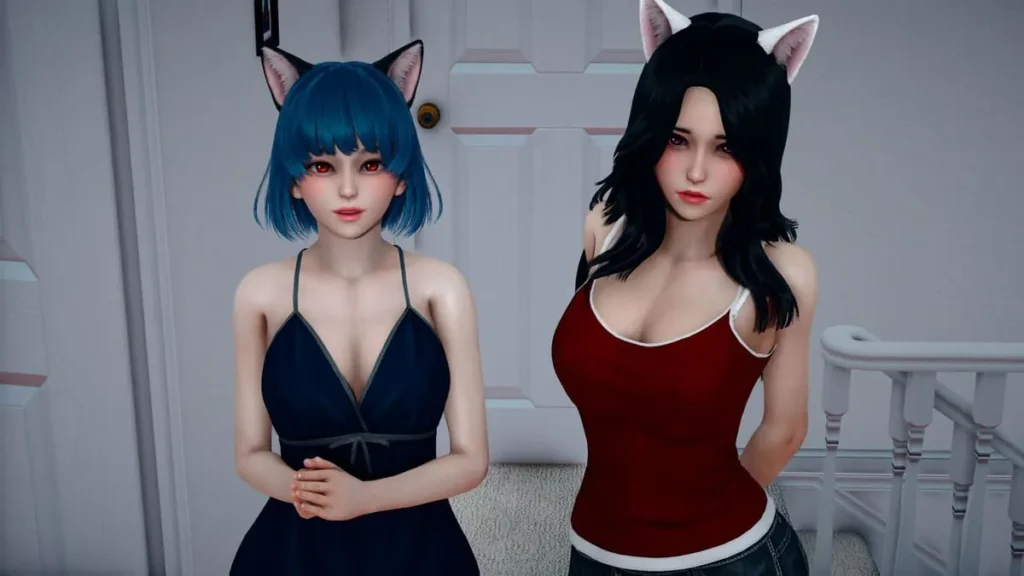


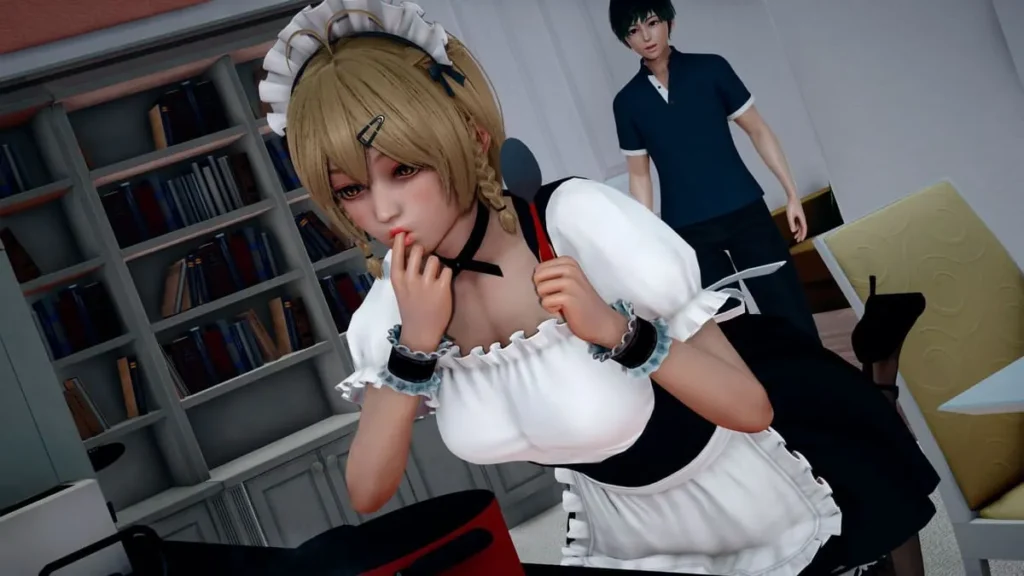
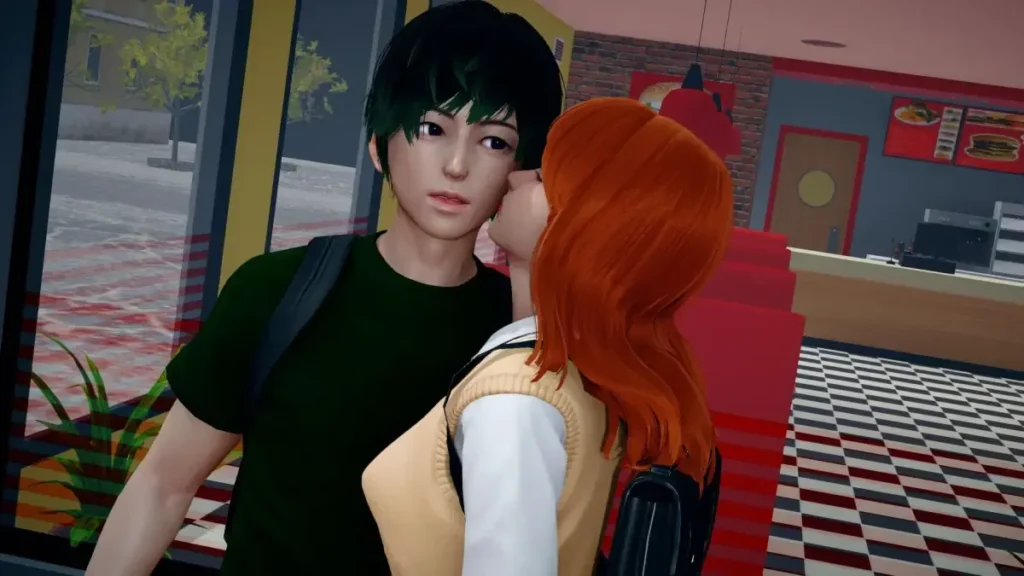

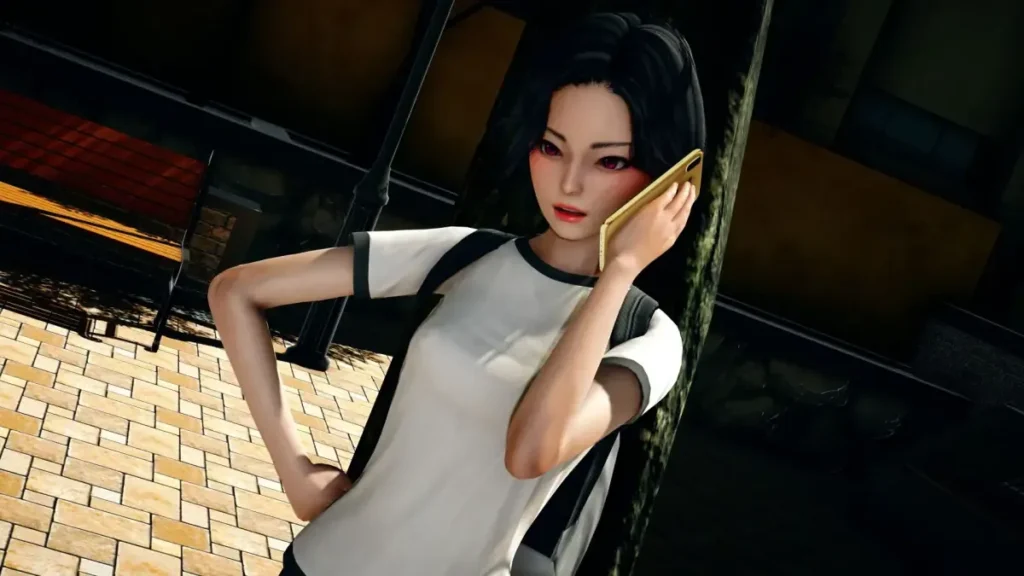

My Bully Is My Lover review
Dive into the rollercoaster of revenge, romance, and redemption in this captivating visual novel
Ever wondered what happens when your high school tormentor becomes your unexpected flame? That’s the gripping hook of My Bully Is My Lover, the visual novel that’s got players hooked on its mix of raw emotion, steamy encounters, and plot twists. I still remember my first playthrough—heart pounding as Kei confronts his past bully, only for resentment to spark into something intensely passionate. This game by Nii-Chan flips the script on revenge tales, blending deep character growth with adult themes that hit hard. Whether you’re here for the story’s emotional depth or the intimate moments, stick around as I break down everything you need to know to dive in.
Why My Bully Is My Lover Captivates Players Worldwide
I have to admit, when a friend first nudged me toward a game called My Bully Is My Lover, I rolled my eyes. 😅 The title alone screamed a very specific, perhaps shallow, trope. I expected a simple, maybe even silly, power fantasy. What I found instead was one of the most surprisingly nuanced and emotionally gripping stories I’ve experienced in any medium. It completely subverted my expectations, pulling me into a My Bully Is My Lover story that is less about cheap revenge and more about the painful, beautiful, and complex journey of human healing. If you’re wondering what is My Bully Is My Lover about at its core, it’s about the ghosts of our past and whether we can build a future with them.
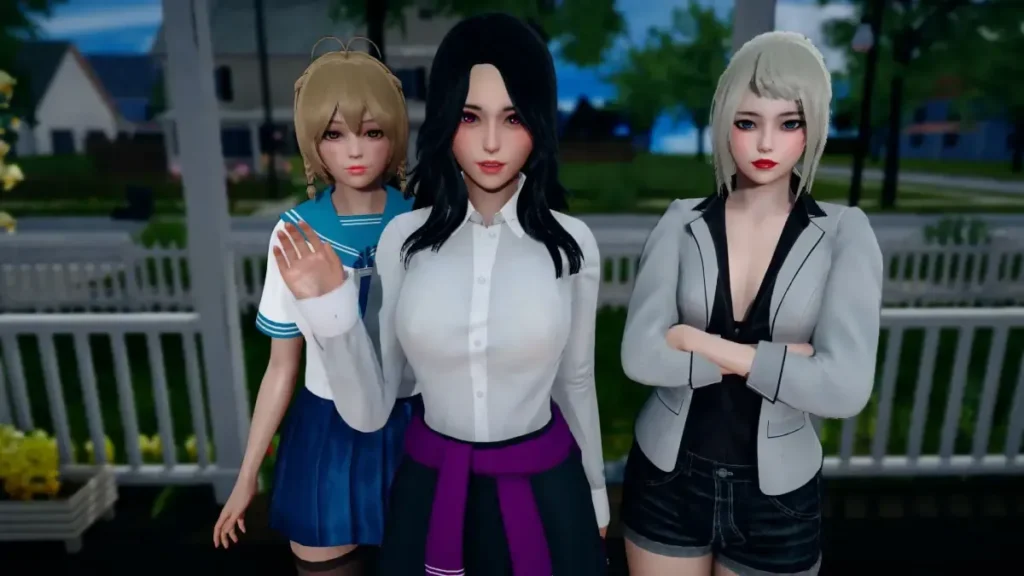
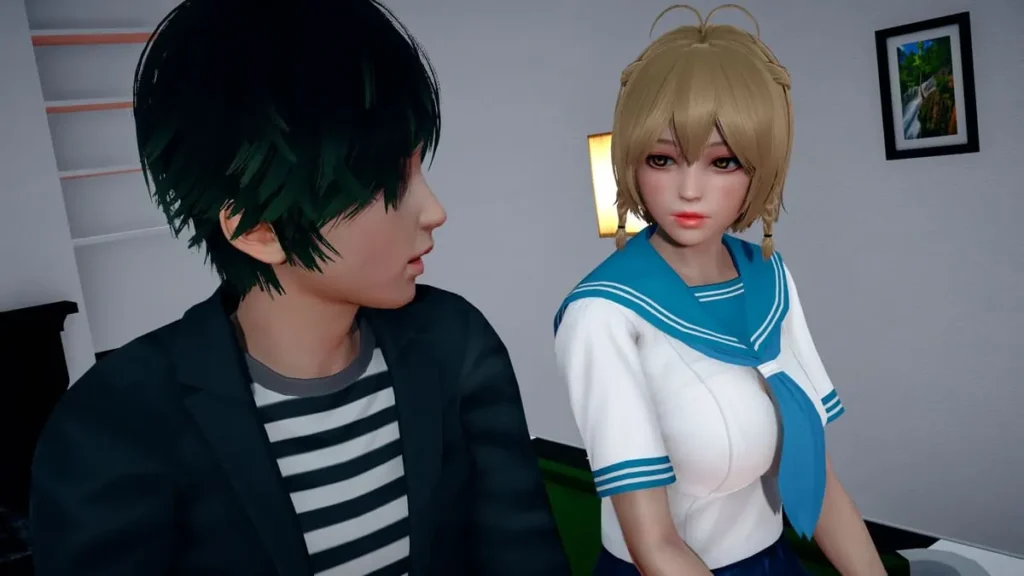
This visual novel doesn’t just tell a story; it makes you live it. You step into the shoes of Kei, a young man whose high school years were defined by relentless, cruel bullying from a senior girl named Emma and her circle. The emotional scars are deep and real. Fast forward to adulthood, and through a bizarre twist of fate, Kei finds himself forced to live in the same apartment as Emma and her friends. The premise sets the stage for a masterclass in tension, but the game’s genius is how it transforms that tension. This isn’t just a revenge to romance VN; it’s a slow, often painful, unraveling of trauma, ego, and the fragile possibility of forgiveness.
What Makes the Story an Emotional Rollercoaster? 🎢
The emotional power of this game comes from its refusal to offer easy answers. You start the game clinging to Kei’s justified anger—it’s your anger too. Every snide remark from Emma, every uncomfortable silence in the apartment, stokes that fire. The game validates your resentment completely. But then, it begins to carefully peel back the layers.
You get glimpses of vulnerability. A tired look, a moment of unexpected kindness from one of the other girls, a piece of shared history that doesn’t quite add up. The game masterfully uses its visual novel plot twists not as shocking gimmicks, but as emotional keys that unlock deeper understanding. You discover that the Kei bullying backstory you thought you knew is only one side of a much larger, more tragic picture.
This creates a constant, thrilling internal conflict. As a player, you’re torn between the desire to hold onto your grudge and the burgeoning curiosity—and sometimes compassion—for these women. The apartment becomes a pressure cooker for emotional growth, forcing confrontations that are raw, awkward, and incredibly real. It’s this push-and-pull, this authentic emotional reconciliation game dynamic, that makes every dialogue choice feel weighty and every scene crackle with potential.
“I downloaded it thinking it’d be some silly fun, but I was not prepared. This story hit me with some heavy, personal stuff about forgiveness I wasn’t expecting to deal with at 2 AM.” – A player’s review that perfectly captures the experience.
How Does Kei’s Journey from Victim to Lover Unfold?
Kei’s path is the heart of the entire narrative. His Kei bullying backstory isn’t just a footnote; it’s the foundational trauma that shapes his entire worldview. The game does an excellent job of making you feel the lasting impact of that bullying—the social anxiety, the trust issues, the defensive sarcasm. Playing as Kei means you aren’t guiding a blank slate hero; you’re guiding a wounded person who is being asked to reopen his oldest wounds.
The unfolding happens through deliberate, often difficult, choice. The game presents you with dialogue and action options that range from cold and defensive to open and understanding. There are no universally “right” or “wrong” choices, only ones that steer you toward different layers of truth and different character connections. Choosing to engage with Emma about the past, for instance, might lead to a defensive blow-up, but it could also trigger a memory that changes the context of everything.
This is where the bullying forgiveness narrative truly shines. Forgiveness isn’t presented as a single, grand gesture. It’s a messy process of small steps: a civil conversation over coffee, collaborating on a household chore, sharing a moment of silence that isn’t hostile. The game argues that before romance can even be considered, there must be acknowledgment and accountability. Kei’s journey from victim is not about forgetting the pain, but about deciding if he can separate the cruel teenager Emma was from the complicated woman she is now. Can his story have a new chapter, or is it forever defined by the old one?
The game deepens this through dedicated solo routes for key characters. Pursuing a path with, say, the seemingly cold Alyssa or the energetic Chloe isn’t just about romance; it’s a focused lens on a specific facet of the shared past and a specific type of emotional healing.
Unpacking the Game’s Unique Plot Twists and Themes 🧩
If you think you know where this My Bully Is My Lover story is going, think again. The developers have woven a narrative rich with revelations that reframe your entire understanding of the characters and their motivations. These visual novel plot twists are the engine of the emotional reconciliation game, forcing you to constantly re-evaluate your judgments.
A major theme is the idea of “emotional wrecks beneath a tough exterior.” Emma isn’t a one-dimensional villain. The game slowly reveals that her actions in school were a distorted reflection of her own profound pain and instability. This doesn’t excuse the bullying, but it complicates it, transforming a simple narrative of good vs. evil into a tragic story of damaged people damaging each other. The core My Bully Is My Lover story asks: Can two broken people help fix each other, or will they just create new fractures?
Let me share a quick case study from one of my playthroughs. I was on a path with Lily, the shyest of the group. I had a choice: press her for details about a painful high school memory she hinted at, or change the subject to protect her feelings. Choosing to gently press, while offering support, didn’t lead to an immediate romantic scene. Instead, it unlocked a raw, confessional monologue from her about her own feelings of isolation and how she witnessed Kei’s bullying. This scene, intimate in its emotional nakedness, was more powerful than any physical encounter. It rebuilt a bridge of trust that made every subsequent interaction richer.
The game explores several heavy, interconnected themes:
- The Cycle of Pain: How untreated trauma is often passed on to others.
- The Masks We Wear: The personas characters create to protect themselves from the world and their own guilt.
- Redefining Strength: Showing that true strength can be vulnerability and the courage to confront the past.
- The Burden of Secrets: How withheld truths poison relationships and prevent real healing.
To see how the narrative layers these elements, let’s look at how key twists service the character development:
| Plot Twist Category | How It Serves the Story | Emotional Impact |
|---|---|---|
| Recontextualizing the Past | Reveals that the bullying incident was a symptom of a larger, hidden tragedy involving all the characters. | Shifts player perspective from pure blame to a more complex, sorrowful understanding. |
| Character Motivations Unveiled | Shows that a character’s present-day hostility or distance is fueled by guilt, not hatred. | Creates empathy and presents a clear obstacle (self-forgiveness) that must be overcome. |
| Shared, Hidden History | Uncovers forgotten positive connections between Kei and the others before the bullying occurred. | Adds a layer of tragic irony and fuels the hope that reconciliation is possible. |
This is why My Bully Is My Lover stands out so starkly in the visual novel genre. It uses its framework not as an end, but as a powerful means to explore psychological depth and personal growth. It respects its audience’s intelligence and emotional capacity. You come for the compelling, seemingly contradictory premise—a classic revenge to romance VN—but you stay for the authentic portrayal of people trying to move beyond their worst moments.
So, if you’re ready for a story that will challenge your emotions, make you care deeply about flawed characters, and stick with you long after the credits roll, dive into this unforgettable My Bully Is My Lover story. Just be prepared: it’s a rollercoaster you’ll want to ride again and again, discovering new truths each time. 🎭❤️🕊️
From Kei’s painful past to passionate present, My Bully Is My Lover delivers a visual novel experience that’s equal parts heart-wrenching and heated. I’ve replayed chapters multiple times, each uncovering new layers of forgiveness and desire that keep pulling me back. If you’re craving a game that mixes raw emotion with intimate connections, grab it now and let the story sweep you away. Your next obsession awaits—what path will you choose?