
Mist
Play Mist
Mist Screenshots











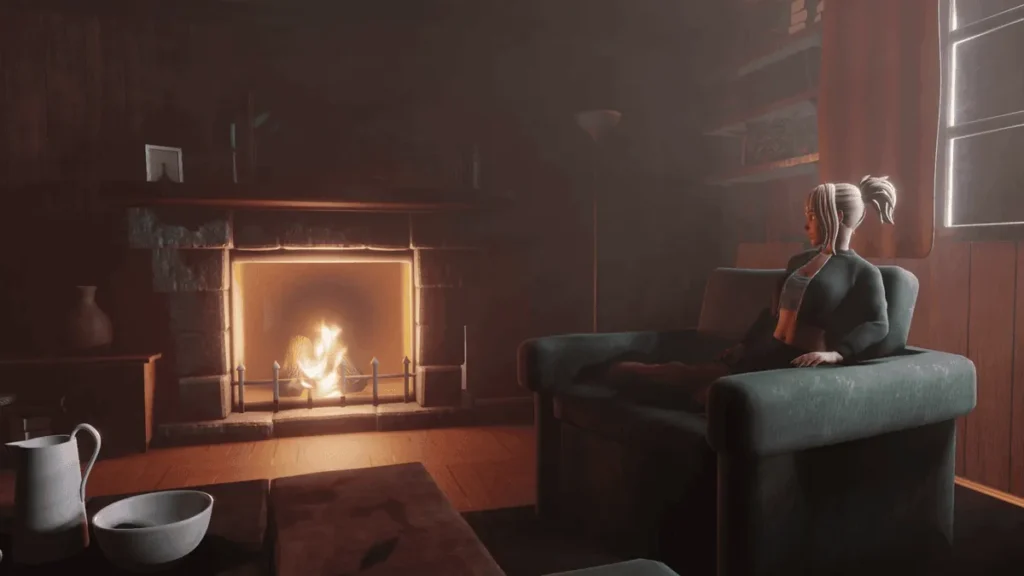
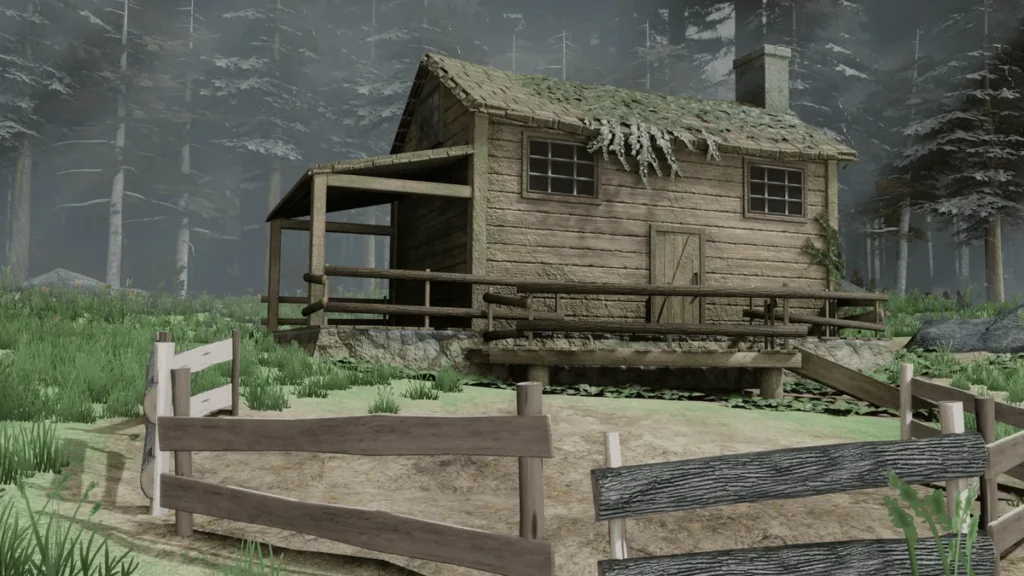
Mist review
In-depth walkthrough, mechanics, and player tips for Mist
Mist is a moody, exploration-driven game that blends atmospheric worldbuilding with puzzle-focused interaction, putting the player at the center of a mysterious, shape-shifting environment. In this article I share first-hand impressions, actionable strategies, and a step-by-step approach to mastering Mist, including how the fog mechanics shape exploration and puzzle solving. Whether you’re new to the title or returning after a break, this guide aims to help you read the world, solve its challenges, and enjoy the journey.
Understanding Mist: World, Tone, and Core Mechanics
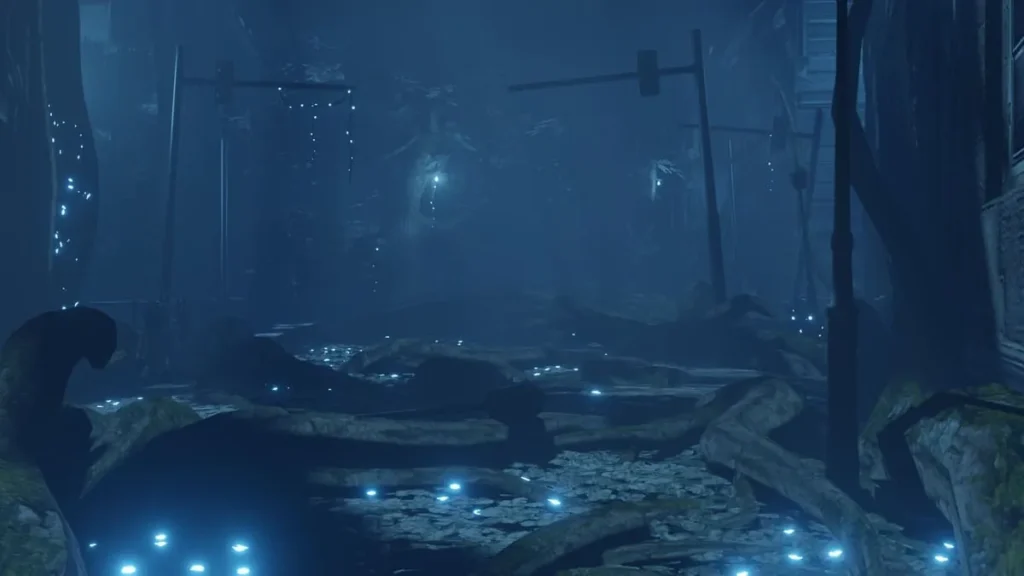
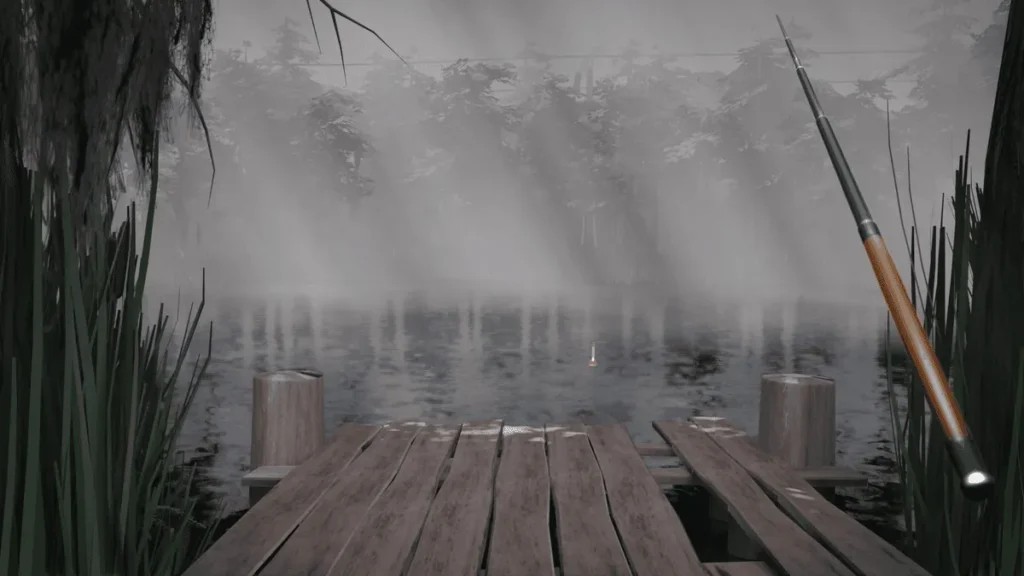
Imagine a world where the very air you breathe is the puzzle. ☁️ Where paths don’t just appear on a map, but unfold from the shifting, breathing fog around you. That’s the haunting, beautiful reality of Mist, a game that turns atmosphere into adventure. Created by the small, passionate team at E-Line Media (the minds behind the acclaimed Never Alone), Mist invites you into a serene, mysterious landscape reclaimed by nature and shrouded in an eternal, magical haze. The tone here isn’t one of panic, but of quiet curiosity and reverence. You’re an explorer, not a soldier, and your greatest weapon is your perception.
This isn’t your typical adventure. The Mist game mechanics are built from the ground up around one central, living element: the fog. To play Mist is to learn a new language—the language of light, density, and spectral whispers.
What is Mist and who made it?
Mist is a first-person exploration and puzzle game set in a forgotten archipelago. Developed by E-Line Media, it draws deeply from their expertise in crafting culturally rich, environmentally focused narratives. Here, the story isn’t told through cutscenes or lengthy dialogues, but through the world itself. You arrive as a seeker, drawn to islands blanketed in a supernatural fog that behaves unlike anything in nature. This mist is the curator of history, the guardian of secrets, and the architect of every challenge you’ll face.
The overall feeling is one of profound solitude and wonder. The sound design is a masterpiece of ambient noise—dripping water, distant bird calls, and the low, resonant hum of the fog itself. 🎵 It’s a game that asks you to slow down, to observe, and to listen. You aren’t racing against a clock; you’re piecing together a story that the world has been waiting to tell.
How the mist affects exploration and puzzles
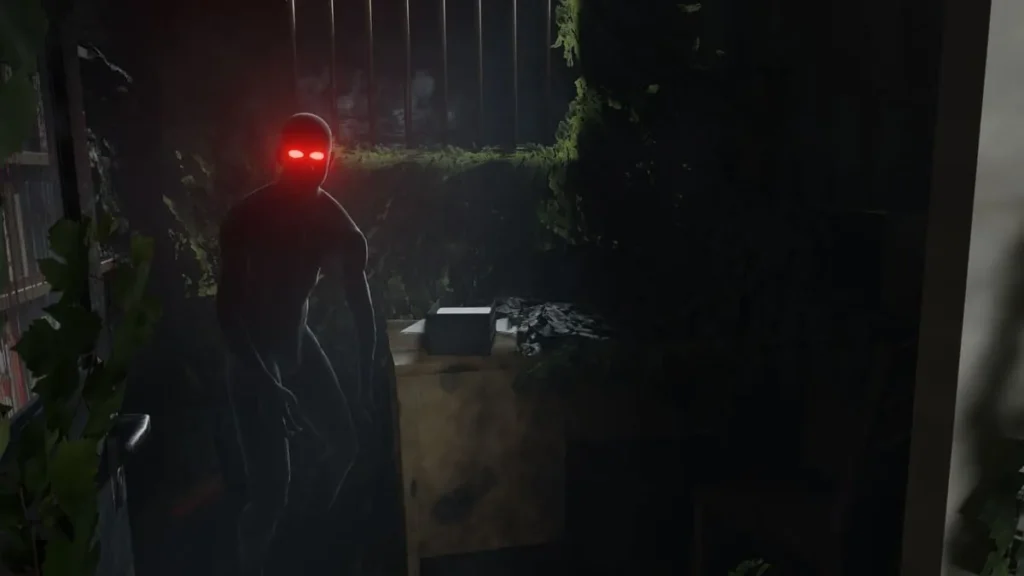
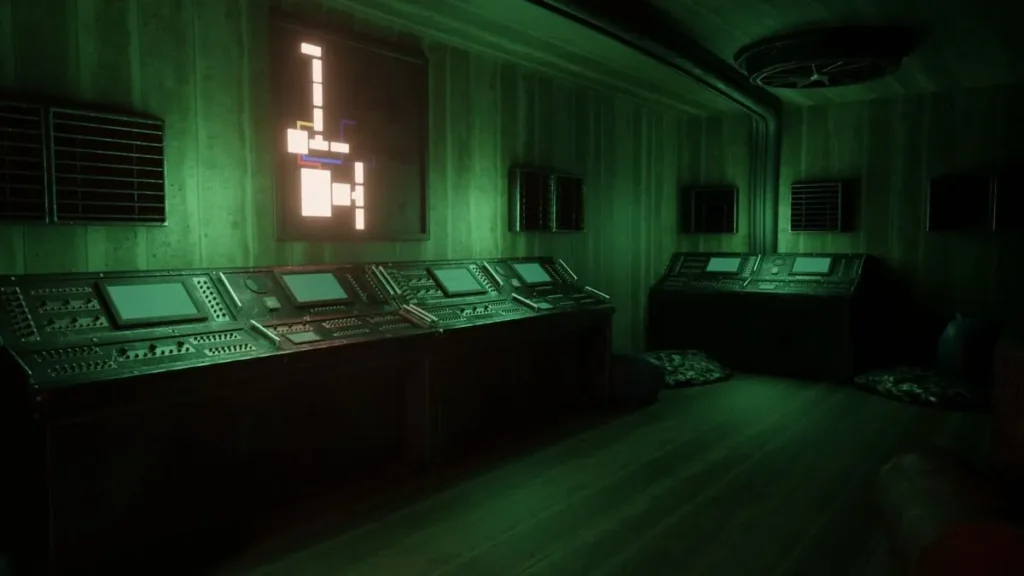
At the heart of everything is the dynamic fog system. This isn’t a static graphical effect; it’s the core gameplay engine. The fog has density, color, and intent. It conceals and reveals, reacts and transforms. Mist exploration is a constant dance with this living entity.
I remember my first real “aha!” moment. I was stuck in a canyon, certain I’d hit a dead end. The fog was a thick, impenetrable wall of white. Frustrated, I noticed a faint, pulsing glow from an artifact I’d found earlier. On a whim, I held it up. Suddenly, the dense wall of fog directly in front of me thinned, swirling away to reveal an ancient stone glyph etched into the cliff face. The path wasn’t blocked; it was just waiting for me to learn how to see. 🔦
This is the essence of fog gameplay. The mist interacts with everything:
* Light and Reflection: You’ll find lenses and mirrors that can bend beams of light. Shine a light into thick fog, and it might scatter uselessly. But thin the fog in that area first, and the beam can travel, hitting crystals or activating mechanisms to solve environmental puzzles.
* Spectral Glyphs: Key clues and story fragments are often hidden as ghostly images that only become visible when the fog is at a specific density or color around them.
* Area Transformation: Certain artifacts or actions can change the fog’s color in a region—from a concealing white to a revealing blue or a hazardous red. This can completely alter a landscape, making new platforms appear or toxic areas safe to traverse.
Your primary tool for navigating this is the Echo Sight ability. By activating it, you send out a pulse that interacts with the fog. It highlights interactive objects, reveals the basic shape of obscured terrain, and most crucially, shows you the flow and density of the fog itself. Learning to interpret the visual feedback from Echo Sight is your first and most important skill.
The core Mist game mechanics you’ll master include:
* Environmental Manipulation: Using artifacts to thin, part, or color the fog.
* Light Pathing: Solving reflection puzzles by managing fog density to create clear optical paths.
* Auditory Cues: Listening for changes in the ambient hum or distinct sounds that signal hidden secrets.
* Glyph Revelation: Finding the perfect spot and fog condition to make a story-critical glyph appear.
To help visualize how these systems work together, here’s a breakdown of the core interplay:
| Mechanic | Puzzle Types | Progression Link | Player Impact |
|---|---|---|---|
| Fog Density Control | Path revelation, glyph puzzles, light beam clearing | Unlocks new areas & story fragments | Transforms navigation; turns walls into doors |
| Echo Sight Pulse | Object highlighting, fog flow analysis, secret detection | Fundamental skill for all exploration | Changes how you perceive the world; your primary “sense” |
| Artifact Use | Fog coloration, environmental triggering, lens aiming | Gates major zones and complex puzzles | Provides active tools to shape the world |
| Audio Logging | Directional finding, mood-based triggers, sequence clues | Fills the narrative journal; provides subtle hints | Deepens immersion and provides critical, non-visual info |
Player progression: knowledge, tools, and journal
Forget experience points and skill trees. In Mist, progression is knowledge. Your character doesn’t get stronger; you get smarter. You grow by understanding the rules of the fog and the history of the islands. This is tracked brilliantly through two key systems.
First, your toolkit expands physically. You’ll discover artifacts like the Mist-Bane Lamp (for thinning fog) or the Chroma Lens (for changing its color). Each new tool doesn’t just open new doors—it re-contextualizes old areas. That cliff face you passed three hours ago? Now that you can turn the fog blue, a hidden handhold network might glow into existence. This makes mist exploration a rewarding loop of revisitation.
Second, and most importantly, is your Journal. This isn’t just a list of objectives. It’s a living document that you actively build. As you find glyphs using the dynamic fog system and activate ancient recordings, your journal fills with sketches, transcribed language, and ecological observations. The story literally assembles itself page by page based on what you’ve discovered and the connections you’ve made. The journal is the physical manifestation of your growing understanding, your personal map of both geography and history.
The Echo Sight ability is the glue that binds this progression. Early on, you use it to not bump into trees. Later, you’ll use its nuanced feedback to diagnose exactly why a light puzzle isn’t working—is the fog too thick here? Is the beam being refracted incorrectly there? Mastering Echo Sight is the ultimate mark of a proficient player.
Personal Insight: I used to charge into new areas, trying to brute-force my way through. Mist punished that habit immediately. I learned to pause at every new vista, activate Echo Sight, and just watch. Watching the fog’s flow would show me where the secrets were likely hidden. This game doesn’t just reward patience—it requires it. The greatest tool the game gives you is the permission to be slow and deliberate.
Practical Takeaways: Your First Steps in the Fog
To thrive in Mist, you need a new explorer’s mindset. Here’s how to start:
- Observe Relentlessly: 🧐 Before moving, stop. Watch how the fog moves. Listen to the sounds. Use Echo Sight constantly to scan the environment, not just for objects, but for the fog’s own behavior. The world is constantly giving you hints.
- Revisit Everything: Your understanding and toolkit will evolve. An area that was a dead end early on is almost certainly a puzzle you now have the tools to solve. Regular backtracking is not a chore; it’s the core gameplay loop.
- Experiment with Environmental Cues: Can’t progress? Try changing the fog’s color with a lens. Shine your light from a different angle. Thin the fog in a spot that seems unimportant. The environmental puzzles are designed for experimentation. If something in the world looks interactive, it probably is—you just might need to find the right fog condition to activate it.
Embrace the fog. It’s not your enemy obscuring the path; it’s the very substance of the path itself. Learning to read its whispers is the only way to uncover the deep, quiet truths waiting in the silence. Your journey through Mist is a journey of perception, and every puzzle solved is a lesson in seeing the world anew.
Mist rewards curiosity, patience, and attentive observation: its fog-driven world conceals puzzles and secrets that repay careful study and revisits. Throughout this guide I covered the game’s core systems, practical walkthrough steps for early areas, advanced tactics for combining mechanics, quality-of-life settings, and community wisdom to help you play smarter. Try the suggested checklists, keep a journal of discoveries, and experiment with mist and light interactions—you’ll uncover deeper layers of the experience. If you found these tips useful, try one of the walkthrough strategies on your next session and share your discoveries with the community.