Good Girl Gone Bad
Play Good Girl Gone Bad
Good Girl Gone Bad Screenshots



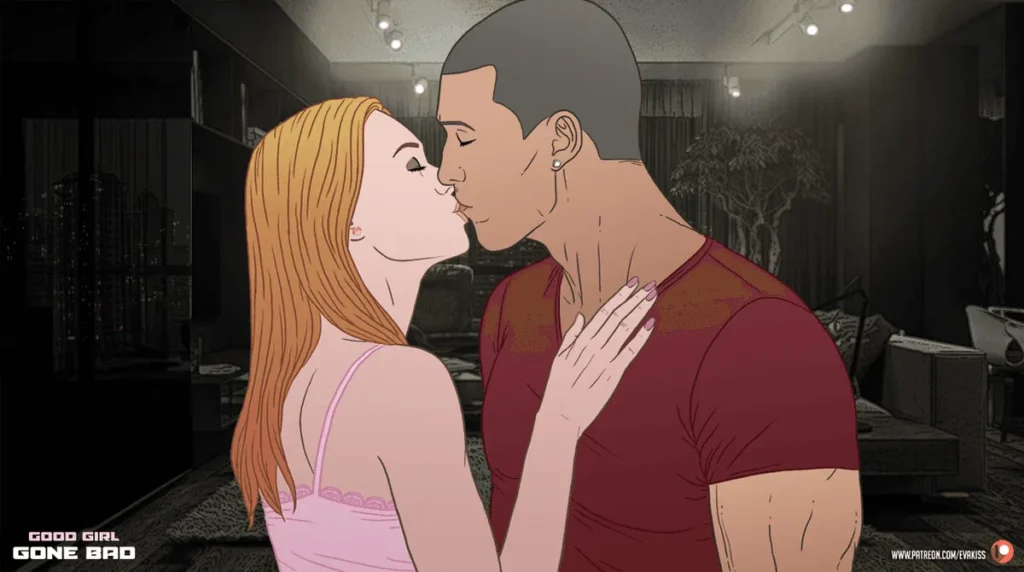


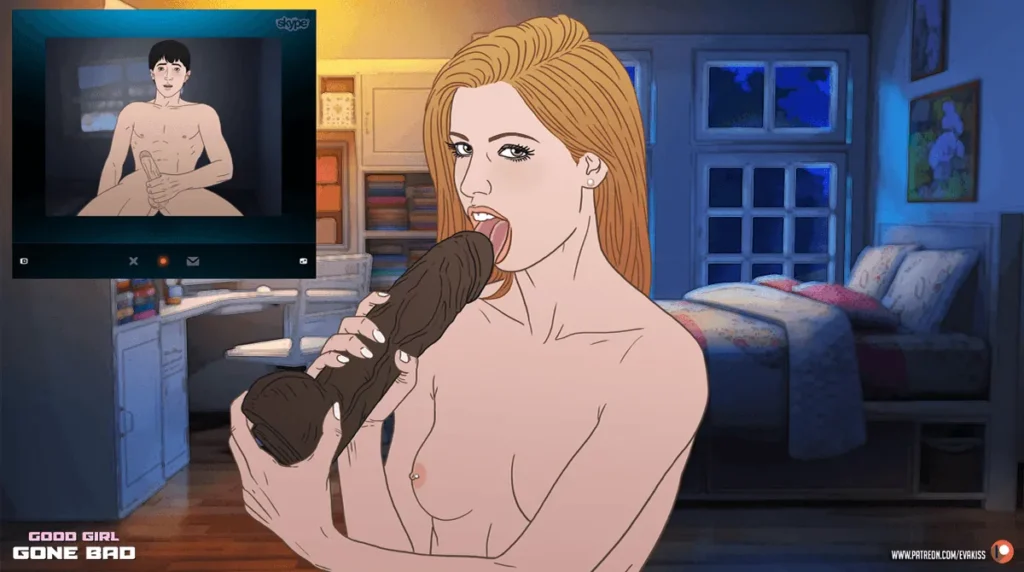




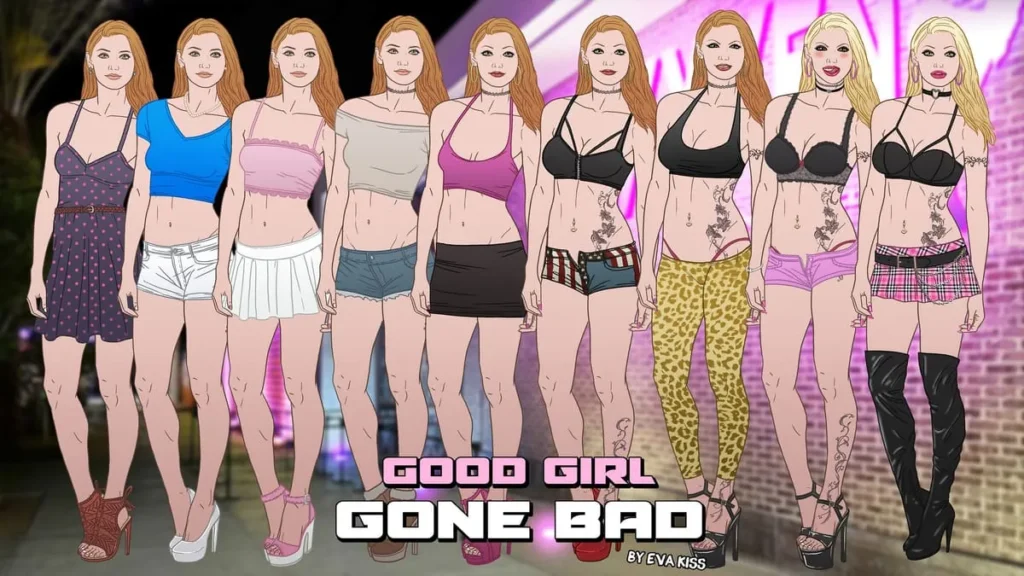




Good Girl Gone Bad review
Master the branching storyline, character relationships, and decision-making mechanics
Good Girl Gone Bad is an interactive visual novel that puts you in control of Ashley’s destiny through meaningful choices that shape her journey. Created by Eva Kiss, this adult life simulation game features hand-crafted artwork, complex branching narratives, and deep character development. Whether you’re exploring the game for the first time or looking to unlock different story paths, understanding the core mechanics and decision systems is essential. This comprehensive guide covers everything you need to know about navigating Ashley’s world, building relationships, earning resources, and achieving the endings that matter to you.
Understanding Good Girl Gone Bad: Game Mechanics and Story Structure
Remember that feeling in a game where you make a choice and… nothing really changes? The story railroads you forward, and your selection was just an illusion? I was so fed up with that. Then, I found Good Girl Gone Bad, a decision-based visual novel by Eva Kiss, and it was a revelation. This game doesn’t just pretend your choices matter—it builds its entire world around them. Your journey with Ashley, from her seemingly ordinary life into… well, whatever you steer her toward, is a masterclass in player agency. This chapter is your deep dive into the engine that makes it all tick: the brilliant branching narrative game mechanics and the intricate story structure that gives your decisions real weight. 🎮
What Makes This Visual Novel Unique
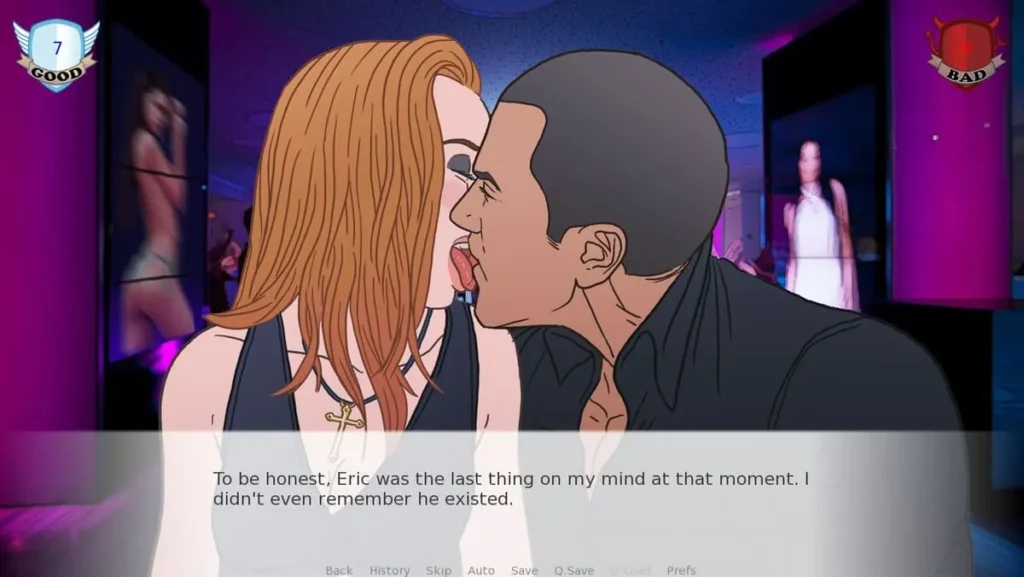
So, what sets Good Girl Gone Bad apart in a sea of visual novels? It’s not just one thing; it’s a potent cocktail of artistic bravery, narrative depth, and uncompromising freedom. First, let’s talk visuals. Forget the sterile 3D models you see everywhere. This game boasts a distinctive hand-drawn art style that’s bursting with personality. Every character, from Ashley herself to every person she meets, feels unique and expressive. This artistic choice creates an intimate, almost diary-like feel, pulling you deeper into her world. It makes every scene, whether tender or wild, feel personal and crafted with care. ✍️
But the heart of its uniqueness is its philosophy: true freedom. This isn’t a story about a good girl turning bad, or a bad girl finding redemption. It’s a story about your Ashley. The Good Girl Gone Bad gameplay is built on a foundation of player agency that is rarely matched. You are not nudging a pre-defined character along a set path; you are fundamentally shaping who she is through every single interaction. Will she be the loyal friend and diligent student, or will she explore her rebellious, hedonistic side? The game never judges you for either direction—it just faithfully builds the consequences.
My Tip: Don’t try to “game” the system on your first playthrough. Go with your gut. That initial, authentic run is where the magic of this character relationship system truly shines.
To break it down, here are the key features that define this unforgettable experience:
- Stunning Hand-Drawn Art: A visually distinct style that adds warmth and personality to every scene.
- Meaningful Multiple Endings: Your cumulative choices don’t just lead to different end screens; they shape entire concluding story arcs for Ashley and her world.
- Deep Character Depth: Every major character has their own motivations, secrets, and storylines that unfold differently based on your actions.
- Unparalleled Freedom of Choice: From major moral crossroads to seemingly small interactions, your decisions constantly open or close future possibilities.
- Mature, Unflinching Narrative: The game explores adult themes with honesty, tying them directly into the interactive story choices you make, creating a compelling and often provocative journey.
Core Gameplay Mechanics and Decision Systems
At its core, Good Girl Gone Bad is an elegant machine that translates your curiosity and desires into story. The primary mechanic is the choice system. You’ll constantly face dialogue and action options that push Ashley in different directions. But this isn’t a simple “pick A or B” setup. The game uses a brilliant branching narrative game mechanics system where choices have compound consequences. An early, seemingly insignificant decision can unlock (or lock away) entire scenes, character interactions, and plot threads hours later.
Under the hood, the game tracks your progress through two main systems: Points and Outfits.
The Point System: Your Moral Compass
The game subtly tracks your alignment through “Good” and “Bad” points (though they might be better thought of as “Conformist” and “Reckless” points). Choosing to study, be polite, or reject trouble might earn a Good point. Skipping responsibilities, being rude, or indulging in risqué opportunities might earn a Bad point. These points aren’t a visible meter to min-max—they are a behind-the-scenes ledger that influences which future interactive story choices become available. Reach a certain threshold of Bad points, and Ashley might gain the confidence (or notoriety) to attempt a scene that would have been locked otherwise. This creates a beautifully organic sense of character development.
The Outfit System: Armor and Identity
What you choose to wear is never just cosmetic. The outfit system is a direct gameplay tool. Wearing Ashley’s conservative default clothes might make her feel out of place at a party, limiting conversation options. Changing into something bold and daring could unlock new interactions, turn heads, and give her the social courage to act differently. Some characters will react specifically to what she’s wearing, and certain scenes are only accessible if you’re dressed appropriately (or inappropriately!). It’s a constant, tangible expression of the path you’re choosing.
Experience and Activities: Shaping Capabilities
Beyond morality, Ashley develops specific “experience” through your actions. Repeatedly choosing artistic pursuits, social interactions, or academic work can make her more proficient in those areas, sometimes leading to unique dialogue or solutions to problems. This layer adds depth to the Good Girl Gone Bad gameplay, making your playstyle feel even more personalized.
Now, let’s look at how these systems create the two most iconic Ashley character paths. The beauty is that these aren’t binary—you can mix and match—but they illustrate the extreme ends of the spectrum.
| Aspect | The “Good Girl” Path | The “Bad Girl” Path |
|---|---|---|
| Core Focus | Responsibility, loyalty, traditional goals, maintaining relationships. | Freedom, experimentation, self-indulgence, breaking boundaries. |
| Available Scenes | Heartfelt conversations, study sessions, helping friends, achieving academic/work success. | Wild parties, risky encounters, rebellious acts, exploring the city’s nightlife. |
| Character Reactions | Parents and authority figures are pleased. Some friends see you as dependable, others might find you boring. | Authority figures are disappointed or angry. You attract a different crowd who find you exciting and daring. |
| Outfit Options & Impact | Conservative, cute, or practical clothes are favored. They help in formal settings and maintain a certain reputation. | Bold, revealing, or alternative fashion becomes key. These outfits open doors to new social circles and adventures. |
| Ending Variations | Endings centered on stability, mended relationships, career success, or traditional romance. | Endings focused on independence, thrilling lifestyles, chaotic outcomes, or unconventional relationships. |
Character Relationships and Branching Paths
The true magic of Good Girl Gone Bad isn’t just in changing Ashley—it’s in how her evolution changes the entire world around her. Every significant character is a thread in a dynamic web, and your choices determine which threads you strengthen, which you sever, and which become hopelessly tangled. 🕸️
The character relationship system is dynamic and reactive. Characters remember your interactions. If you’re consistently kind and supportive to a friend, they’ll trust you with their deepest secrets. If you flirt with someone’s partner, that betrayal (or secret thrill) will simmer and eventually boil over. Relationships aren’t just about romance; they encompass friendship, rivalry, mentorship, and outright hostility. You can be a loyal confidante to one character while becoming the arch-nemesis of another, all within the same playthrough.
Let’s talk about the Ashley character paths through the lens of her connections. Your alignment and choices don’t just open doors for Ashley; they open (or slam shut) doors to other characters’ storylines.
- Pursuing the “Good” Path: This might mean nurturing a stable, trusting romance with a more traditional partner. You’ll likely have deep, supportive friendships where you help others through their problems. Your family relationships may be strong, but they could also feel restrictive. Characters who thrive on drama or excitement might drift away from you, finding your life too “safe.”
- Pursuing the “Bad” Path: Here, you might attract or pursue intense, chaotic flings and relationships that are heavy on passion but light on stability. Your friendships may shift toward fellow thrill-seekers. Family ties will likely strain or break under the weight of your actions. You’ll unlock storylines with characters who live on the edge, ones that a “good” Ashley would never even meet.
The branching narrative game mechanics ensure these aren’t isolated events. A choice you make with your best friend in Chapter 2 can directly impact how a potential romantic interest treats you in Chapter 4. The game masterfully creates cross-character consequences, making the social world feel incredibly alive and interconnected. You’re not just checking off romance options; you’re navigating a living, breathing social ecosystem.
In my own playthroughs, I’ve been stunned by how a single decision—like choosing to comfort one friend instead of another during a crisis—irrevocably altered the group dynamic for the rest of the game. That’s the power of this decision-based visual novel. It understands that our lives are shaped by relationships, and it gives you the tools to mold them with intention or reckless abandon.
Ultimately, understanding the mechanics of Good Girl Gone Bad is the key to unlocking its profound narrative potential. It’s a game that respects your intelligence and your agency. Every click, every choice, and every outfit is a brushstroke on the canvas of Ashley’s life. Whether you guide her toward gentle stability or thrilling chaos, the journey is uniquely, powerfully yours. This foundation of deep Good Girl Gone Bad gameplay and a reactive character relationship system is what transforms it from a simple story into a personal adventure you’ll want to experience again and again, just to see where the other paths lead. 🔀
Good Girl Gone Bad offers a unique interactive experience where your decisions genuinely shape Ashley’s story and determine which paths become available to you. The game’s strength lies in its complex branching narrative, meaningful character relationships, and the freedom it gives players to explore different moral directions. Whether you’re drawn to the game’s storytelling, character development, or the various outcomes available through different choice combinations, understanding the core mechanics and decision systems will enhance your experience. Take time to explore multiple playthroughs, experiment with different outfit choices, and pay attention to how your decisions ripple through the narrative. The beauty of Good Girl Gone Bad is that there’s no single ‘correct’ way to play—your choices define Ashley’s journey and create a story that’s uniquely yours.