Dreaming of Dana
Play Dreaming of Dana
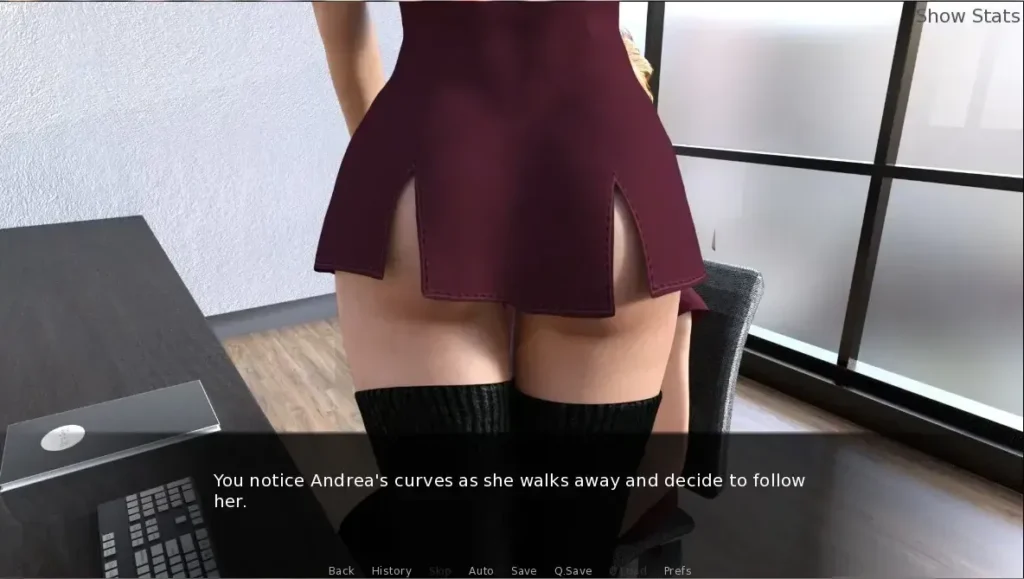
Dreaming of Dana Screenshots
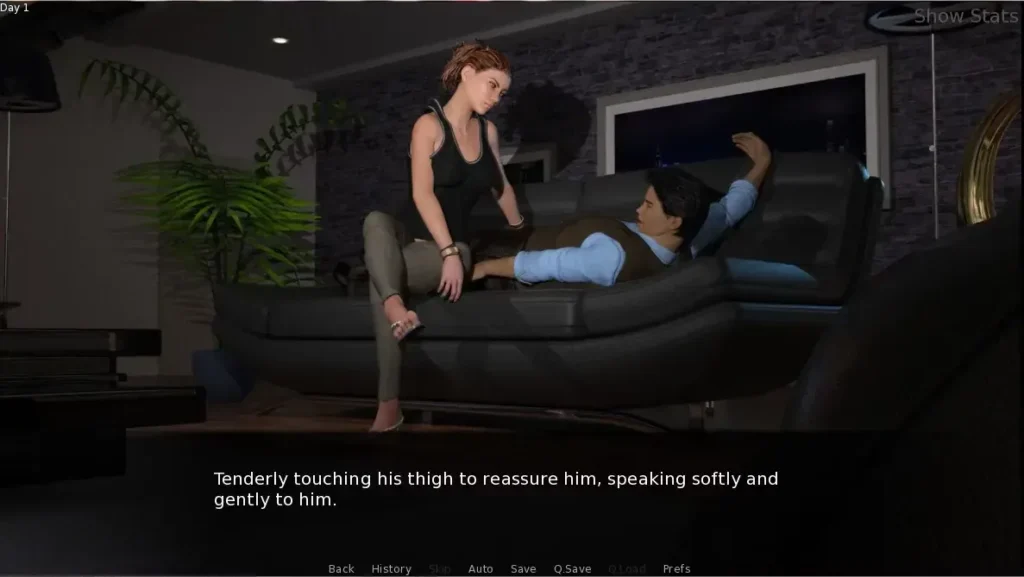
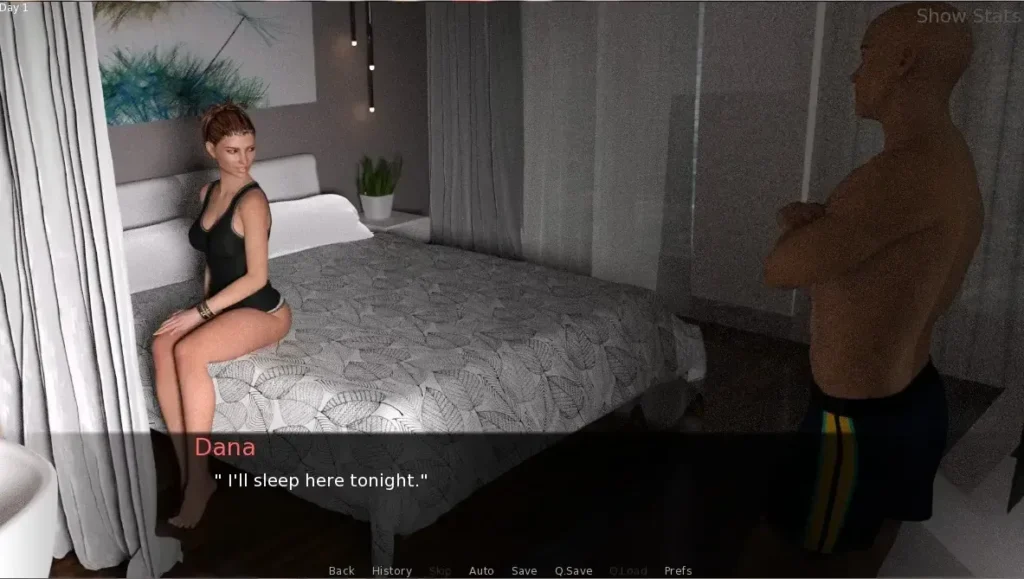
Dreaming of Dana review
Explore gameplay mechanics, character relationships, and narrative choices in this dating simulation experience
Dreaming of Dana stands out as a narrative-driven dating simulation that combines family dynamics, ambition, and romance into a compelling interactive experience. Players assume the role of a wealthy protagonist navigating complex family expectations while pursuing personal desires and romantic connections. This guide explores the game’s core mechanics, character development systems, and strategic gameplay elements that make it a distinctive entry in the dating simulation genre. Whether you’re new to the game or looking to optimize your playthrough, understanding the relationship systems and decision-making framework will significantly enhance your experience.
Understanding Dreaming of Dana: Core Gameplay and Mechanics
So, you’ve downloaded Dreaming of Dana, ready to dive into its world of opulent estates and complex relationships, only to find yourself staring at the screen wondering, “Okay, but how does this actually work?” 🤔 I’ve been there. Unlike many dating sims that let you charm your way through town with simple compliments, Dreaming of Dana layers its romantic pursuits with intense family drama and a surprisingly deep mechanical spine. Getting the ending you want isn’t just about picking the flirtiest dialogue option; it’s about strategic relationship management.
This guide will break down the core Dreaming of Dana gameplay mechanics that power your entire experience. Think of it as your personal Dreaming of Dana walkthrough guide to the systems under the hood, so you can stop guessing and start crafting your perfect story.
What Makes Dreaming of Dana Unique in Dating Simulations? 🎭
At first glance, you might slot Dreaming of Dana into the “rich person romance” category. And you’re not wrong—you play as the scion of a powerful, wealthy family, and that context is everything. But what truly sets it apart is how it braids that privilege with palpable tension. This isn’t just a lighthearted romp; it’s a narrative where buying someone an expensive gift might impress them, but could also be seen as a tone-deaf power move that alienates another character watching from the sidelines. The “dating sim” part is inextricably linked to a “family drama simulator.”
Your wealth isn’t just a backdrop; it’s a active gameplay mechanic. Many dialogue choices and actions are filtered through this lens. Will you use your family’s influence to solve a problem for a love interest, potentially making them feel indebted or scrutinized? Or will you try to connect on a personal level, hiding your status, which risks being seen as deceitful later? This constant balancing act—between family legacy and personal desire, between societal expectation and genuine connection—is the engine of the game.
From my first playthrough, I learned this the hard way. I thought showering Dana with grand, public gestures was the fast track to her heart. 💐 While it did raise certain metrics (more on that in a second), it also triggered cautionary dialogues from other characters about boundaries and pressure. The game brilliantly uses its setting to comment on the dynamics within relationships themselves, making every choice feel weightier than a simple “+1 to love.” This unique blend is what makes mastering the Dreaming of Dana gameplay mechanics so rewarding.
Character Affection and Sexuality Point Systems Explained 🔢
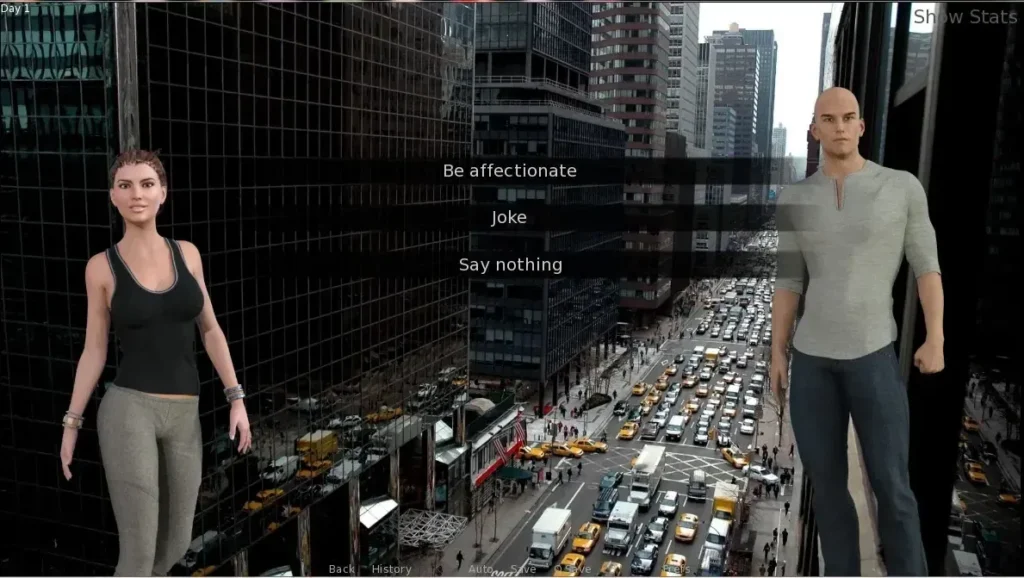
Alright, let’s get into the nuts and bolts. Where most visual novels might have one invisible “like” meter per character, Dreaming of Dana employs a sophisticated dual-track system. This is the heart of its dating simulation affection system. To build a meaningful connection, you need to understand both tracks:
- Affection Points: This represents emotional closeness, trust, and romantic interest. It’s built through supportive conversations, showing understanding, remembering personal details, and making choices that align with the character’s values and emotional needs. High affection unlocks deeper conversations, personal confessions, and romantic story branches.
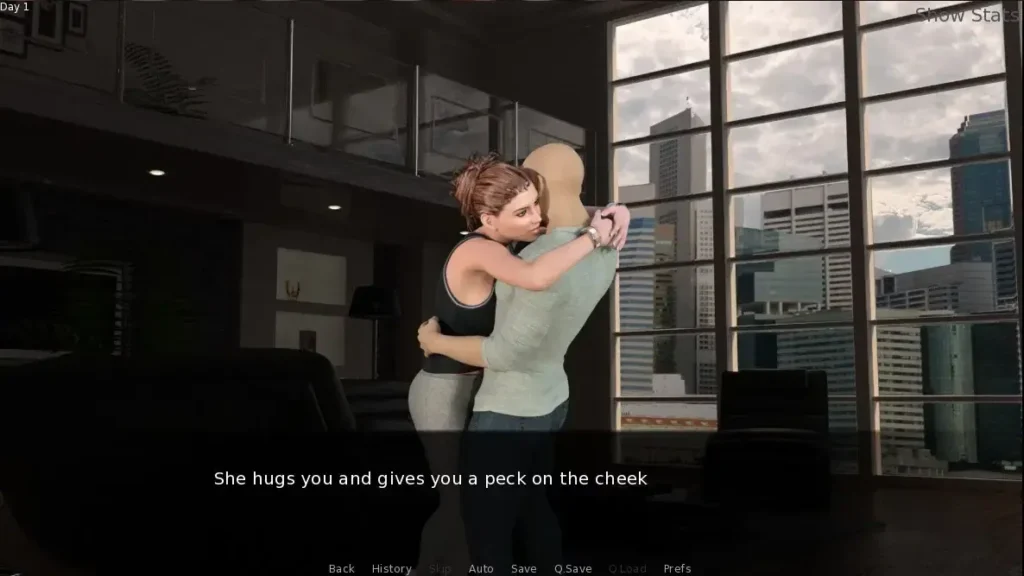
- Sexuality Points: This metric tracks physical attraction, chemistry, and the progression of intimate moments. It’s influenced by flirtatious dialogue, physical choices (like a touch on the arm), and scenarios that build tension and desire. Reaching certain thresholds here is necessary to unlock private, intimate scenes.
Here’s the crucial part: these systems are interdependent but not interchangeable. You can’t just max out one and expect a perfect relationship. I once focused solely on building sexuality points with a character early on, leading to a “fling” path that ultimately fizzled because I hadn’t built the foundational affection needed for it to become something more. Conversely, having high affection with low sexuality might result in a beautiful, deep friendship or a slow-burn romance that takes longer to ignite physically.
The game tracks these character relationship points meticulously behind the scenes for every major character. Your choices aren’t just about the person you’re talking to; they can also affect how other characters perceive you. Choosing to spend an evening with Character A might give you points with them but subtly lower potential points with Character B, who heard you turned them down. This creates a living social ecosystem.
To help you visualize the progression, here’s a breakdown of how points typically manifest for key characters:
| Character | Affection Level 1 (0-25 pts) | Affection Level 2 (26-50 pts) | Sexuality Threshold (Scene Unlock) | Key Interaction Style |
|---|---|---|---|---|
| Dana | Polite, formal conversations. Unlocks basic family history. | Calls you by a nickname. Shares personal anxieties about family duty. | 40+ Sexuality Points unlocks the balcony scene. | Responds to thoughtful gifts & defended honor. |
| Marcus | Competitive banter. Discusses business and legacy. | Seeks your advice on personal matters. Reveals hidden insecurities. | 35+ Sexuality Points unlocks the late-night study session. | Values intelligence and ambition. Dislikes frivolity. |
| Clara | Friendly, artistic discussions. Shows you her studio. | Opens up about feeling like an outsider. Writes poetry for you. | 30+ Sexuality Points unlocks the moonlit garden encounter. | Loves genuine, non-monetary gestures. Values privacy. |
This table is a foundational part of any effective Dreaming of Dana character guide. Remember, these numbers aren’t absolute—certain key story choices can act as multipliers or open up new point opportunities! The strategy lies in knowing which type of choice (affection-building or sexuality-building) is right for the moment and the character.
Navigating Story Choices and Their Long-Term Consequences 🌳
This is where Dreaming of Dana truly shines and where many players, including myself on my first attempt, get completely turned around. The game features profound dating sim story branching, but it’s not always signaled with dramatic music or obvious “THIS DECISION WILL CHANGE EVERYTHING” warnings. The narrative choice consequences are often subtle, cascading effects that you might not feel until hours later.
The game employs a checkpoint system for major branches. Early in the story, you might have a seemingly innocuous conversation about your family’s business ethics. This choice doesn’t just add or subtract points—it sets a flag. Later, when a crisis hits the company, the game will check that flag. Did you defend the family’s ruthless pragmatism? Then a certain character might see you as a strong ally. Did you criticize it? That character may now be cold, but a different one seeks you out for support. This creates a wildly personalized story.
Pro Tip: Save often and in multiple slots! I cannot stress this enough. Before any major social event or family meeting, create a new save. You’ll thank yourself when you want to explore how a different response changes the trajectory without replaying 10 hours.
Your choices also create unique synergies between characters. In one playthrough, I was cautiously building a path with Dana while also being a supportive friend to Clara. To my surprise, in a late-game scene, Dana privately thanked me for my kindness to Clara, which actually boosted my affection with Dana—a reward for a pattern of empathetic behavior I didn’t even know was being tracked. Conversely, spreading gossip or playing characters against each other can permanently shut down certain routes.
This is the essence of the Dreaming of Dana gameplay mechanics: your role isn’t just to pick a love interest, but to define who your protagonist is within this high-stakes world. Are you the rebellious heir, the dutiful scion, the compassionate mediator, or the cunning strategist? The game’s branching narrative respects and reflects that definition back at you through every relationship and story outcome. A robust Dreaming of Dana walkthrough guide can show you the specific triggers, but the real joy is in understanding this cause-and-effect web and watching your unique story unfold.
FAQ: Common Questions About Choices & Relationships
-
Q: I think I messed up my points with my favorite character mid-game. Is it too late to recover?
- A: It depends on how far “mid-game” is and if you’ve missed crucial, one-time flags. Often, you can recover by consistently choosing their preferred interaction style. However, some late-game scenes require a minimum point threshold from earlier decisions. Consulting a detailed Dreaming of Dana walkthrough guide for their specific route can tell you if you’re locked out.
-
Q: How do I know if a choice affects just one character or the overall story?
- A: There’s no perfect indicator, which is part of the design. As a rule of thumb: choices during private, one-on-one moments typically affect that character’s points. Choices made during group scenes, family meetings, or public events are more likely to set story flags or affect multiple characters’ opinions simultaneously.
-
Q: Can I max out relationships with everyone in one playthrough?
- A: It’s nearly impossible due to the conflicting nature of many choices and limited time (represented by in-game events). The game encourages specialization. A Dreaming of Dana character guide will often show “perfect routes” that focus on one primary and one secondary relationship at most. Embrace replayability to see different stories!
By understanding these core Dreaming of Dana gameplay mechanics—the unique family-romance blend, the dual-point dating simulation affection system, and the cascading narrative choice consequences—you transform from a passive reader into an active architect of your own story. So dive back in, watch those character relationship points, and don’t be afraid to explore the rich dating sim story branching that makes this experience so memorable. Your perfect version of the story is waiting.
Dreaming of Dana offers a rich experience for players seeking narrative depth combined with relationship-building mechanics. The game’s emphasis on family dynamics alongside romance creates a unique storytelling environment where your choices genuinely matter. By understanding the affection and sexuality point systems, recognizing how your decisions cascade through the narrative, and strategically managing multiple character relationships, you can craft a personalized story that reflects your playstyle. Whether you’re pursuing specific romantic paths or exploring all available content, the game rewards both careful planning and experimentation. Take time to explore different dialogue options, pay attention to character preferences, and don’t hesitate to replay sections to discover alternative narrative branches. Your journey through this game is uniquely yours—embrace the complexity of the relationship systems and enjoy the interconnected web of family drama and personal ambition that makes this experience memorable.