Play Bare Witness
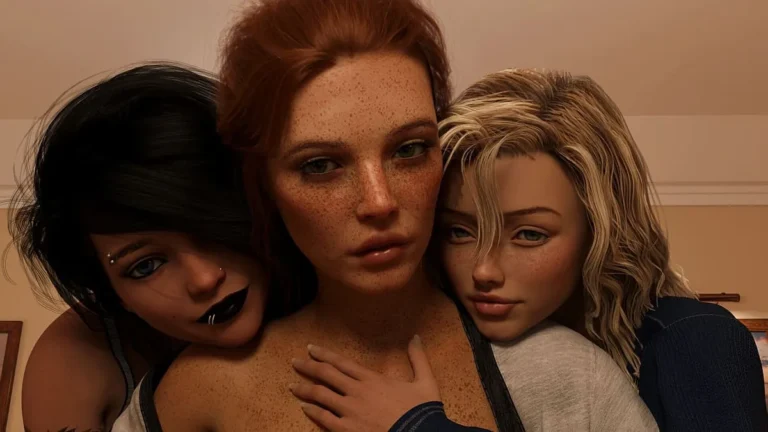
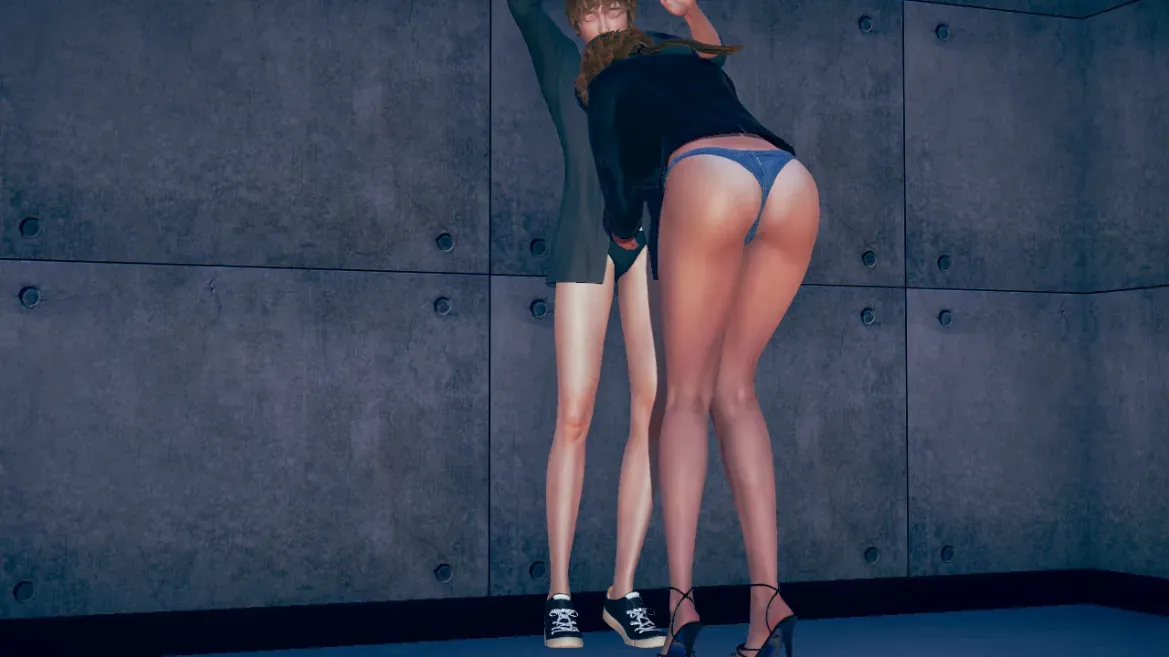
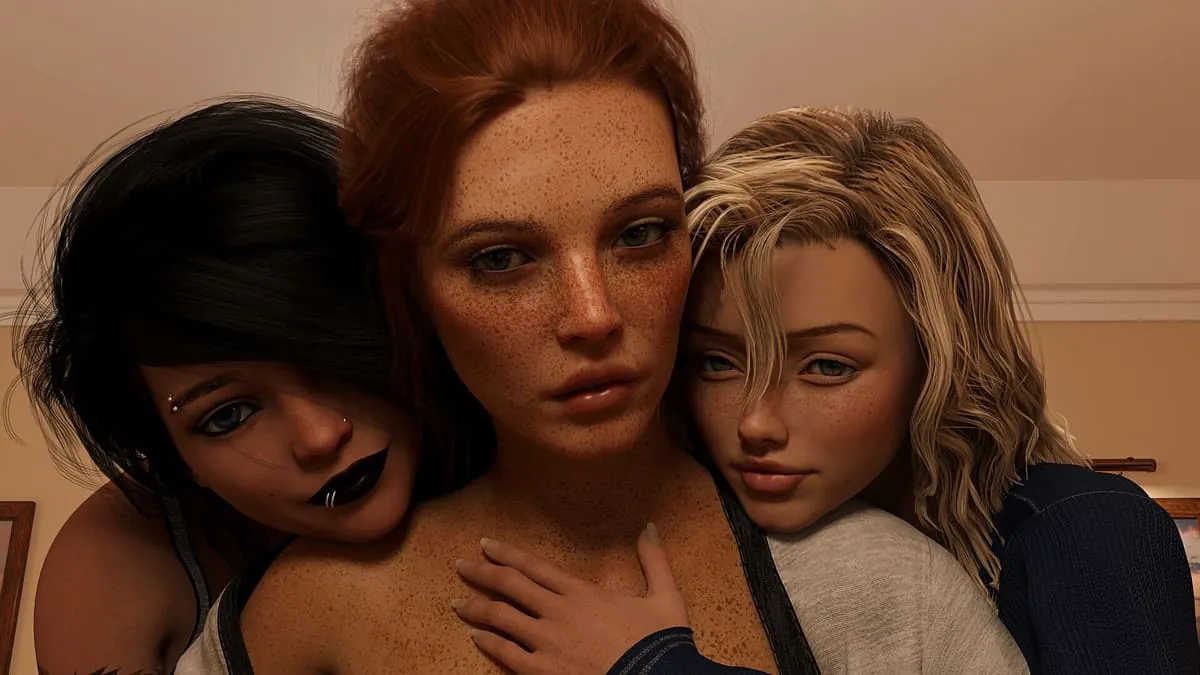
Bare Witness Screenshots

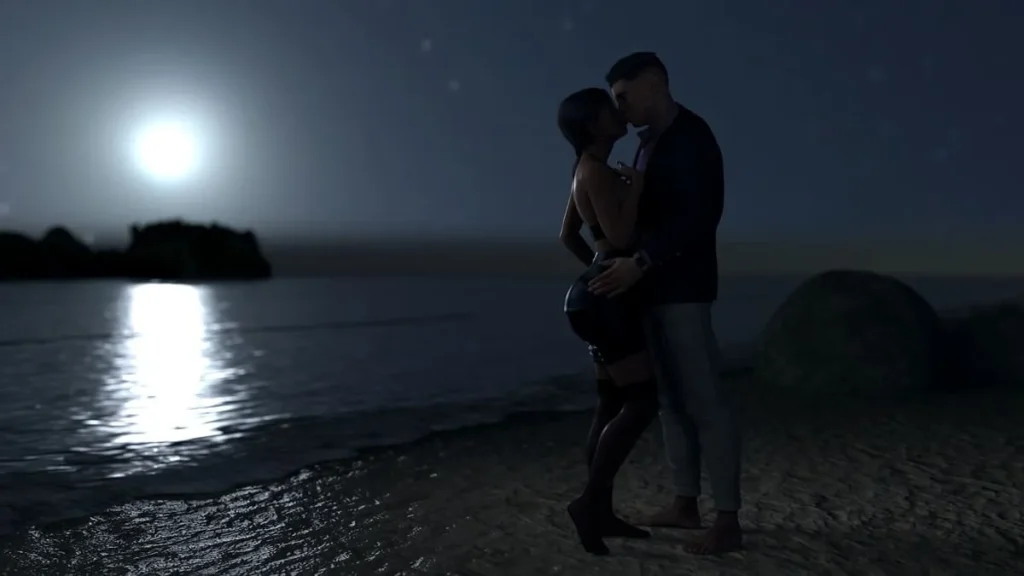


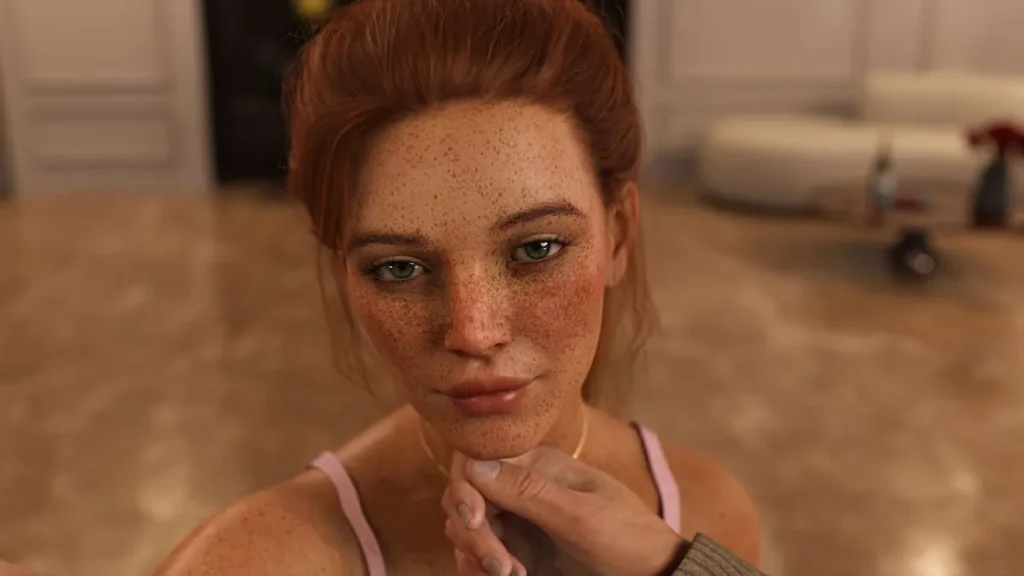

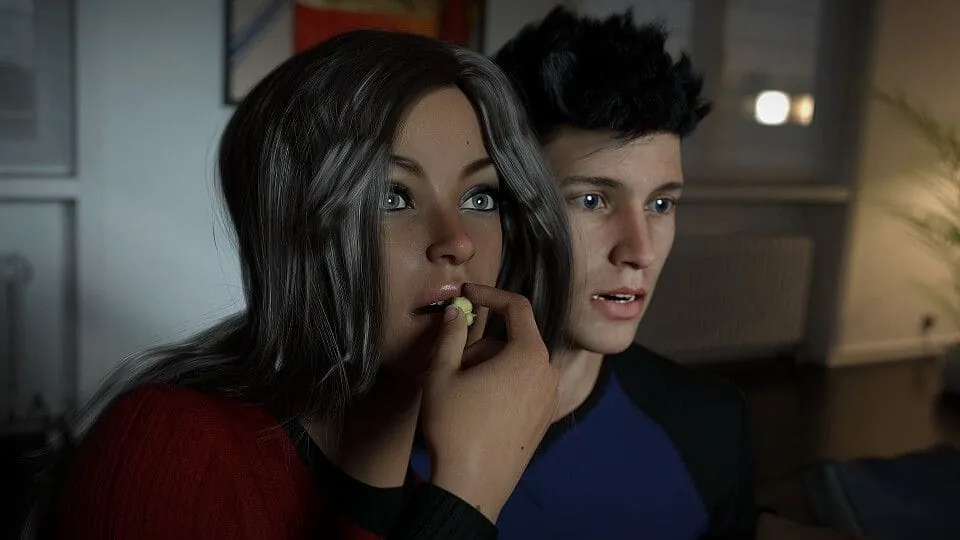
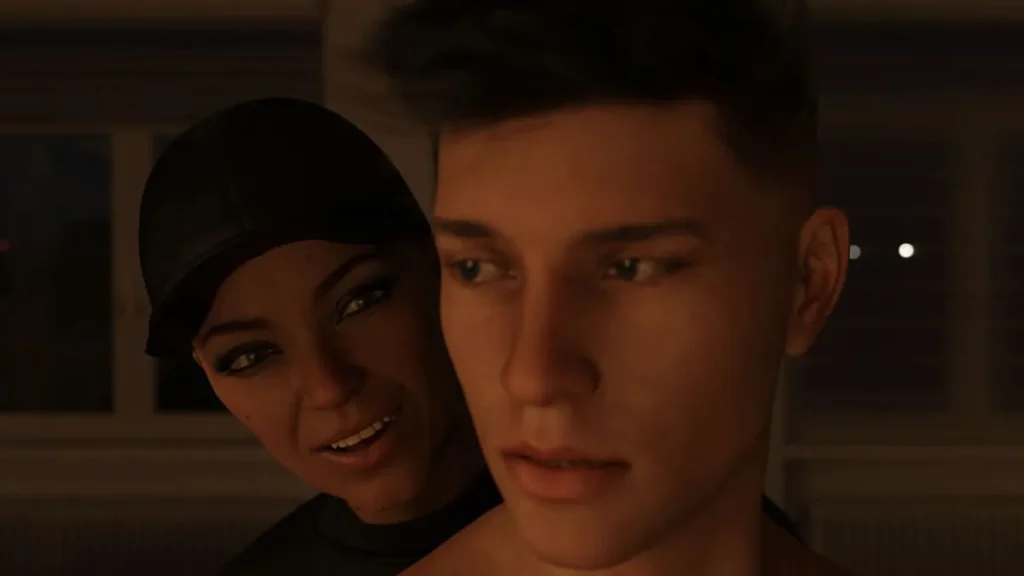

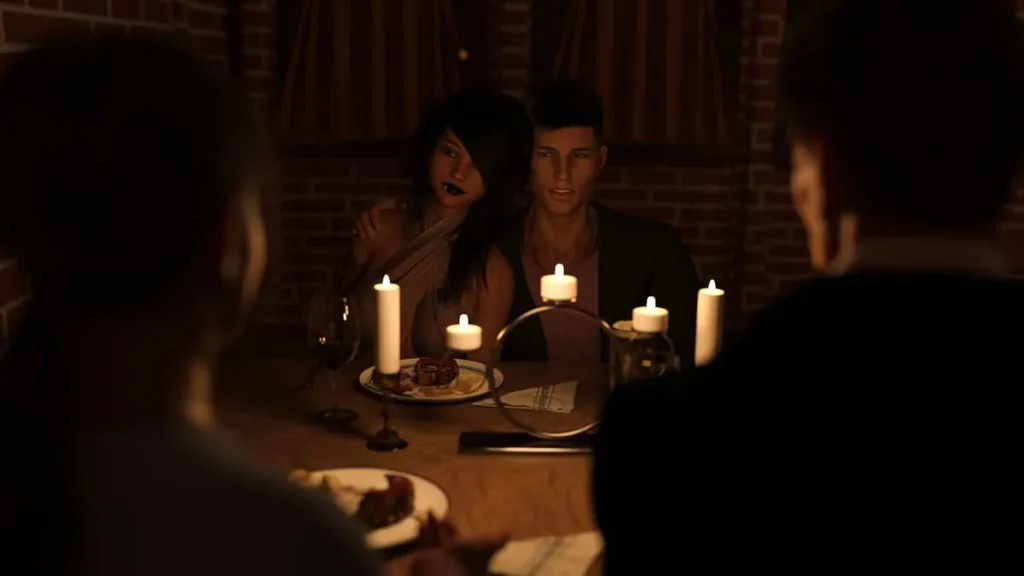



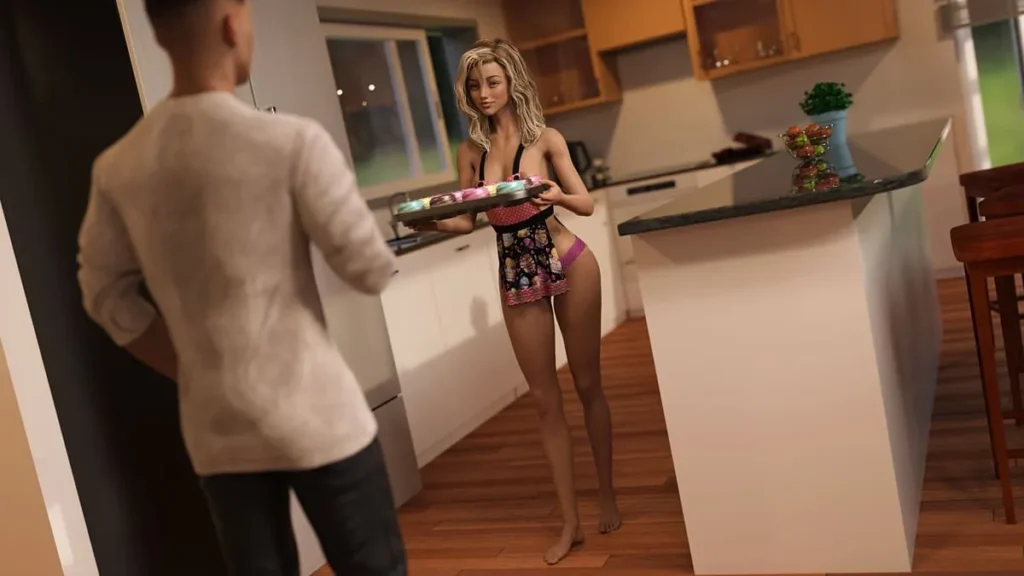
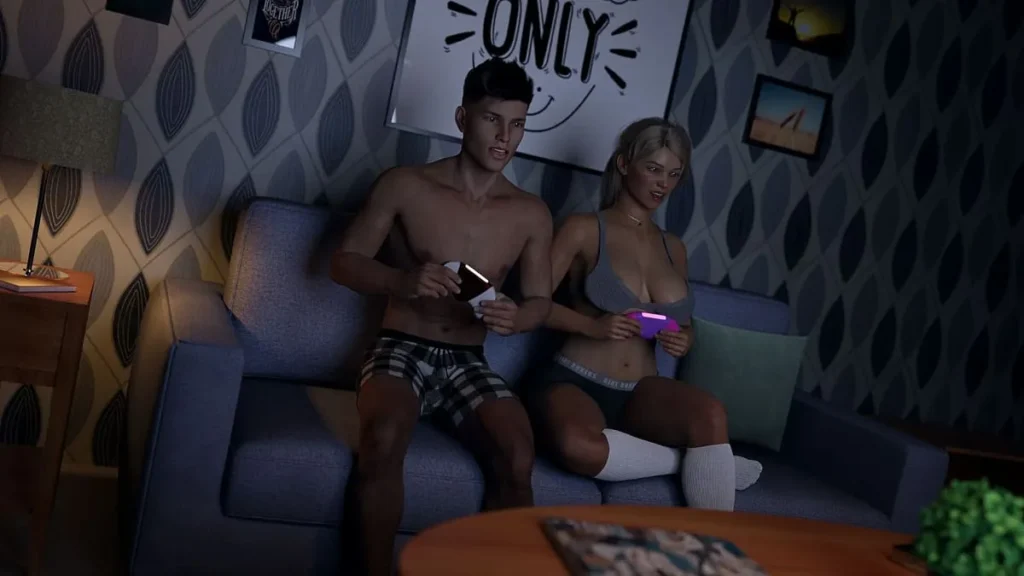
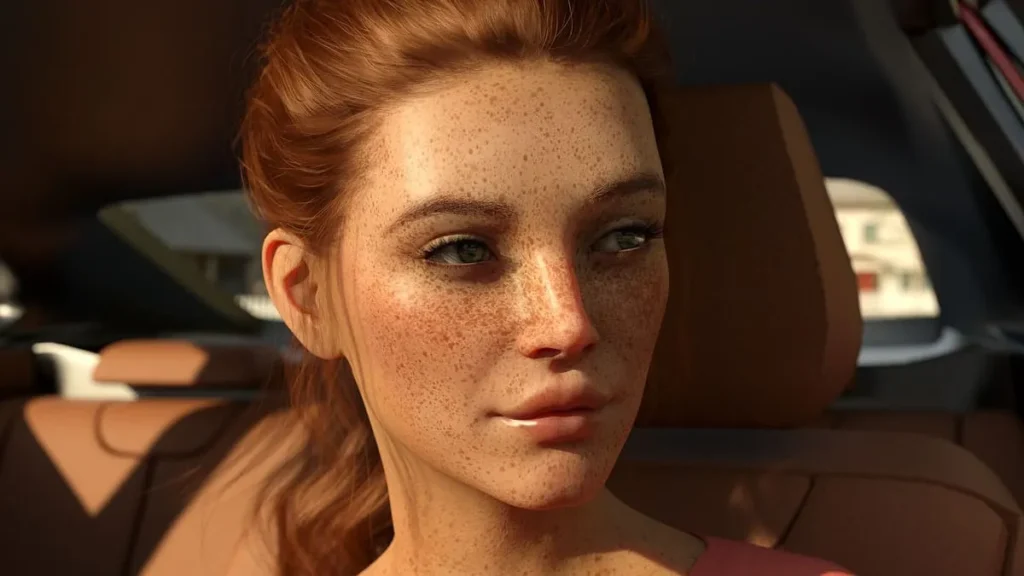
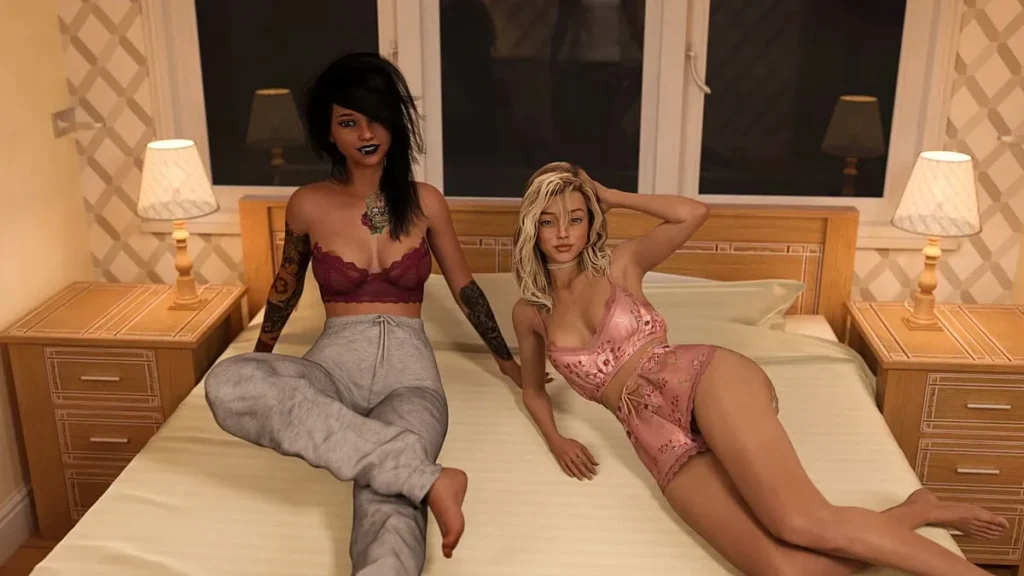
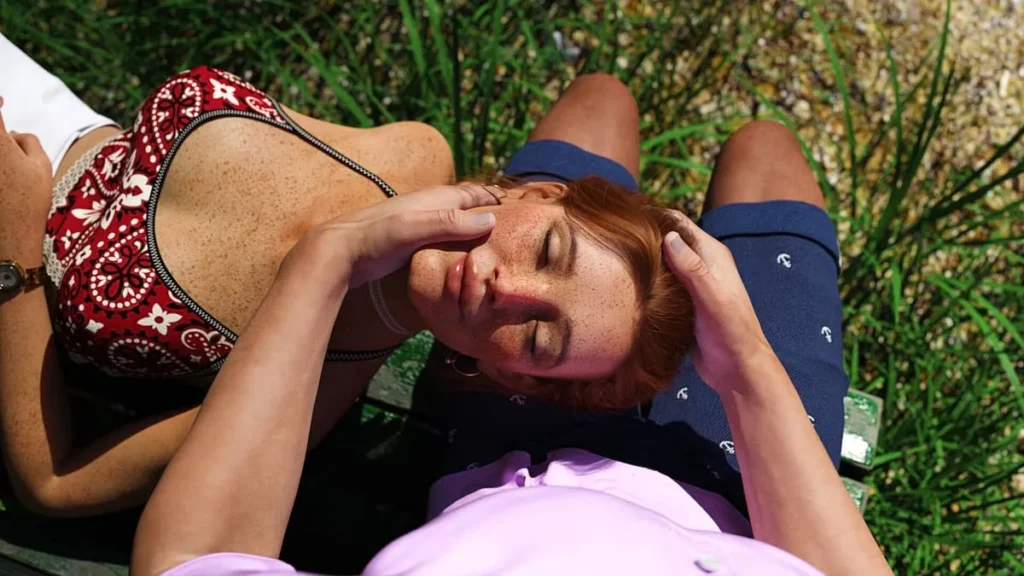
Bare Witness review
Explore Choices, Stories, and Secrets in This Gripping Visual Novel
Hey there, fellow gamers—have you stumbled into the captivating world of Bare Witness? This indie adventure visual novel from Abnormalsoftware drops you into the lives of four university students sharing a house in their final year. Playing as Athena, a photography student wrestling with her future, you’ll use your lens to capture moments that shape deep relationships and multiple endings. I remember my first playthrough; those subtle Bare Witness choices had me replaying scenes for hours, uncovering hidden dialogues that felt so real. Whether you’re chasing branching paths or soaking in the atmospheric exploration, this guide hooks you from the start with practical tips to master every twist.
What Makes Bare Witness Gameplay So Addictive?
I’ll never forget my first real session with Bare Witness. I sat down, ready for a story, and promptly spent twenty minutes just… wandering. 🏠 I was supposed to be getting to know my new housemates at this rustic mountain retreat, but I got utterly lost in the quiet creak of floorboards, the way light filtered through dusty windows, and the sheer number of little details in every room. At first, I thought, “Is this it? Where’s the action?” But that’s the magic trick. That slow, deliberate visual novel exploration isn’t a delay—it’s the foundation. The game was teaching me to breathe in the atmosphere, to feel the weight of the silence, and to understand that every corner of this house held a potential story. That initial feeling of slow-burn tension is your first clue to how to play Bare Witness.
This methodical wandering is the heartbeat of the Bare Witness game loop. You roam the house and its stunning natural surroundings, interacting with objects and locations to trigger conversations, flashbacks, and pivotal story moments. It’s not about rushing from plot point to plot point; it’s about absorption. The game trusts you to be curious, to poke around, and in doing so, you naturally orchestrate the pace of your own discovery. This loop of explore → trigger → converse is deceptively simple, but it’s what makes the world feel lived-in and real, priming you for the moments where your decisions truly matter.
How Does Exploration Drive the Core Loop?
Think of the house in Bare Witness not as a backdrop, but as a character. Your Bare Witness gameplay revolves around getting to know it. 🗺️ Each click to examine a photograph, a half-read book, or a peculiar stain on the rug isn’t just filler text—it’s a deliberate act of attention. These moments of visual novel exploration do three crucial things: they build the haunting, intimate atmosphere; they reveal subtle backstory about the characters who live (or have lived) there; and most importantly, they are the primary trigger for the narrative to advance.
The core loop is elegant:
1. Explore a space thoroughly.
2. Discover a key item or location that sparks a memory or conversation.
3. Engage in a dialogue scene, often leading to significant Bare Witness choices.
4. Return to exploration, with the emotional context now changed, revealing new interactive points.
This design means you are always an active participant in uncovering the story. Nothing happens unless you go looking for it. This makes every triggered scene feel earned and directly tied to your curiosity, deeply personalizing the Bare Witness game loop.
Why Are Player Choices the Heart of Bare Witness?
If exploration is the heartbeat, then your Bare Witness choices are the soul. 🫀 Forget simple “good vs. evil” or “romance vs. friendship” meters. The choices here are stunningly authentic, mirroring the subtle, often awkward decisions we make in real relationships. They shape the tone of your interactions, which in turn unlocks entirely different story branches and endings.
Let me share a moment that floored me. Early on, I found a housemate, visibly upset, alone in the garden. The game presented me with two options, not labeled as right or wrong, but as genuine impulses: one was to gently offer to make tea, the other was to cautiously probe about what was wrong. I chose to probe, thinking I was being a good, attentive friend. The conversation that followed was raw and real… but I later discovered that single choice had quietly closed off a deeper, more nurturing path with that character. My “good” intention was read as pressure. That’s the power here—choices aren’t about utility; they’re about character and perception.
Your decisions accumulate silently, influencing how characters trust you, what secrets they reveal, and ultimately, whose story you become most entwined with. The replay value is enormous because to see another character’s perspective, you often have to make fundamentally different choices from the very start.
To help you navigate these pivotal early moments, here are some key early-game decisions and their subtle impacts:
| Choice Context | Option A / Option B | Immediate Relationship Impact |
|---|---|---|
| The Garden Conversation | Offer comfort / Ask for details | Shifts dynamic towards nurturer or confidant |
| Morning in the Kitchen | Help with breakfast / Start your own task | Signals teamwork or independence |
| Discovering a Personal Item | Put it back / Mention it openly | Builds trust through discretion or openness |
| Planning the Day | Suggest a group hike / Propose solo time | Influences group cohesion vs. individual bonds |
| Responding to a Joke | Play along / Deflect gently | Sets the tone for casual vs. serious interactions |
🎮 Pro Tip: Save often and in multiple slots just before major conversations! This isn’t cheating; it’s the best way to experience the breadth of interactive narrative choices without replaying hours of content. Pay attention to changes in character posture, music cues, and even the dialogue font—the game communicates shifting emotions through everything.
What Role Does Athena’s Camera Play in Immersion?
This is where Bare Witness gameplay becomes truly meta. 📸 Athena, one of your housemates, is a photographer, and her camera becomes a central mechanic—both a literal tool and a brilliant metaphor. Throughout the story, you’ll be given control of Athena’s camera to frame and take pictures of key moments. These aren’t just for a photo album; they are a direct expression of your focus.
The Athena camera mechanics ask: What do you consider important in this scene? Are you framing the whole group, or zooming in on two people sharing a secret glance? The game notes your focus. These choices quietly influence which relationships you’re prioritizing and which story threads you’re choosing to highlight. It’s a silent, powerful form of interactive narrative choice, telling the game—and yourself—what you value in this tangled web of stories.
Mastering how to play Bare Witness means understanding that the camera is an extension of your point of view. Are you documenting the whole truth, or curating a specific narrative? The Athena camera mechanics are a constant, low-pressure reminder that you are not just a passenger in this story, but its composer, deciding where the emphasis lies in every captured moment.
So, what’s the best way to experience this? My strongest piece of advice is to commit to a style for a full playthrough. 🎭 On one run, be the aggressive truth-seeker, probing every mystery and pushing conversations. On another, be the passive observer, offering comfort and letting secrets surface organically. You’ll be shocked at how the same house, the same characters, can host two completely different stories. That’s the addictive genius of Bare Witness. Your curiosity drives the exploration, your choices write the script, and your camera frames the entire experience. It’s a loop you’ll want to break—and restart—again and again.
FAQ: Your Bare Witness Gameplay Questions, Answered
Q: Can I replay missed events or choices without starting over?
A: Absolutely! The game heavily encourages multiple playthroughs to see all the story branches. Using the save system wisely (creating saves at key decision points) is the best way to jump back and explore different Bare Witness choices without replaying everything.
Q: How long is a full playthrough?
A: A single path, focusing on one primary relationship, can take roughly 6-8 hours. However, to experience the full scope of the narrative and see all major endings, you should expect to invest 20+ hours across several replays, as the visual novel exploration and different choice combinations reveal new layers.
Q: Is there a “correct” set of choices to get a good ending?
A: This is the beauty of the game. There is no universal “good” ending. Endings are nuanced and reflect the specific relationships and truths you’ve nurtured (or neglected) through your interactive narrative choices. An ending that feels right for one character’s path might be heartbreaking on another—and both are valid, compelling conclusions.
There you have it—Bare Witness isn’t just a game; it’s an emotional rollercoaster through choices, relationships, and self-discovery that kept me hooked for multiple playthroughs. From Athena’s lens capturing raw moments to those pivotal decisions reshaping housemate bonds, every path feels personal and rewarding. My top tip? Dive in with an open mind, save strategically, and chase those hidden endings for the full payoff. Ready to bare witness yourself? Grab the game, start exploring, and share your wildest choice stories in the comments—I’d love to hear how your journey unfolds!