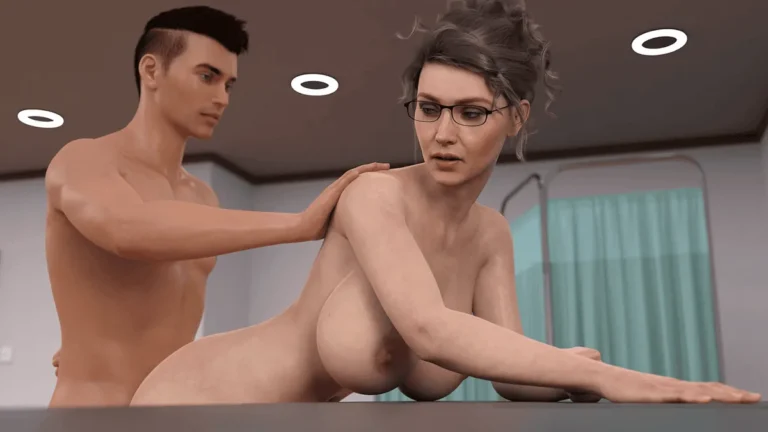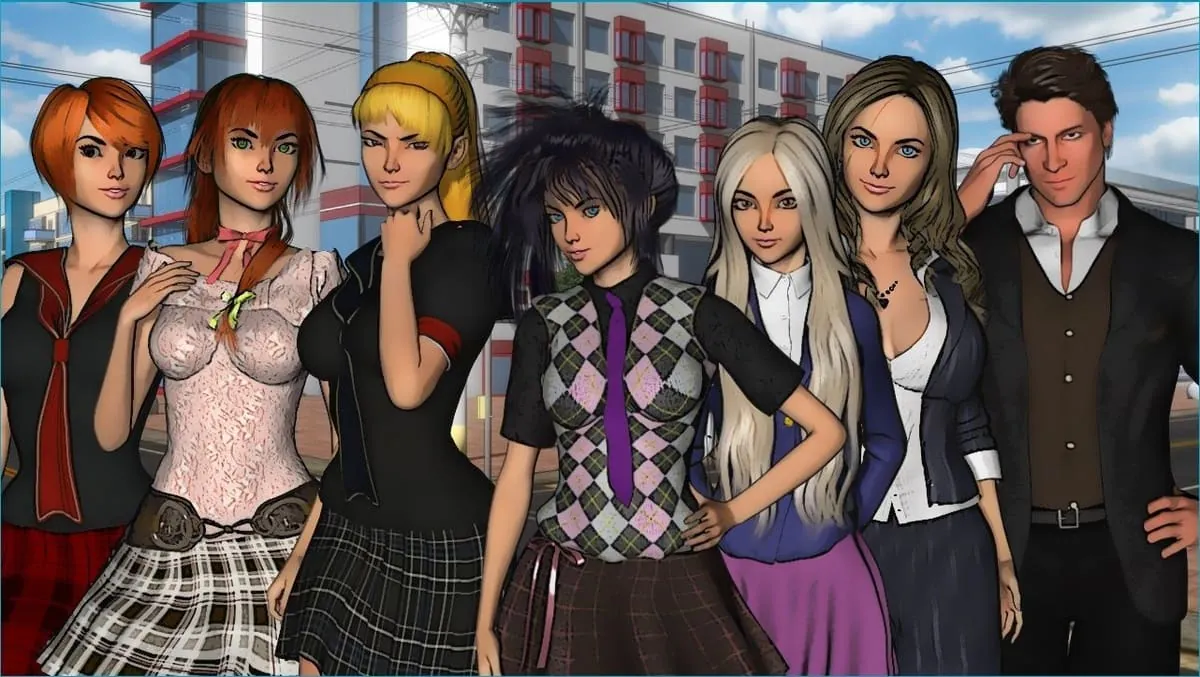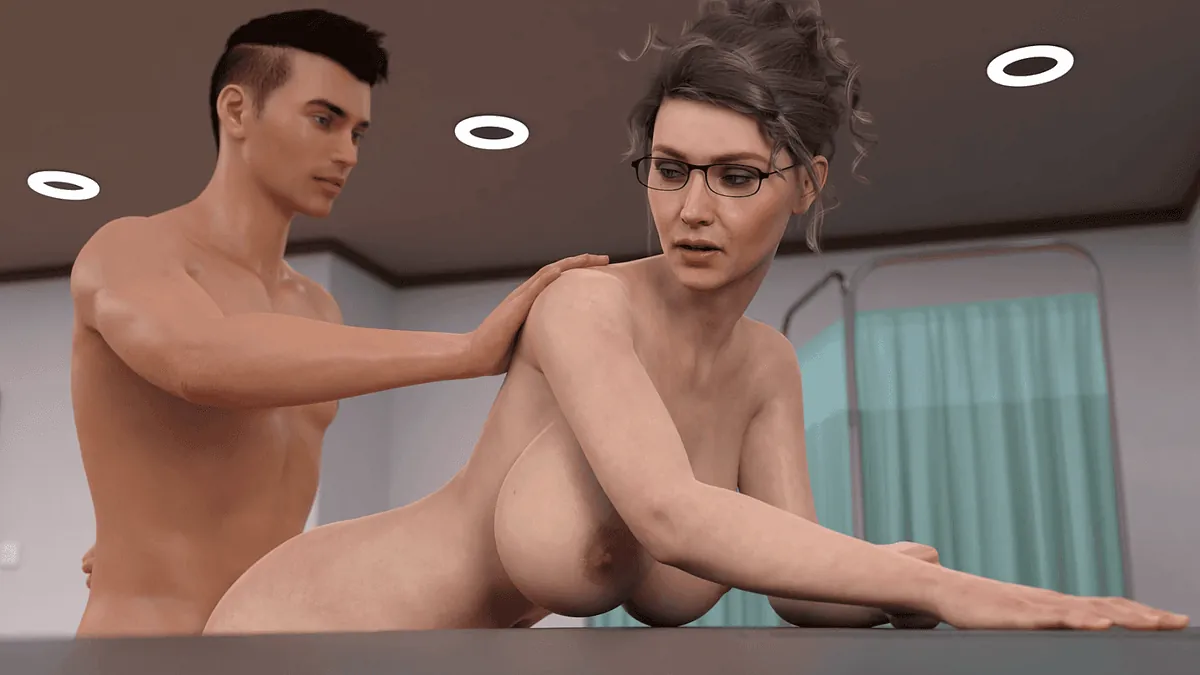
Play Adverse Effects
Adverse Effects Screenshots
Adverse Effects review
Uncovering the real-world impacts and how to break free from its grip
Have you ever dived into ‘Adverse Effects,’ the controversial porn game that’s captivating players with its immersive adult scenarios, only to feel a pull that’s hard to shake? I remember my first late-night session—hours vanished, and suddenly real life felt dull. This game blends explicit content with addictive gameplay mechanics, but beneath the thrill lie serious adverse effects that can disrupt your mental health, relationships, and daily routines. In this article, we’ll explore the negative impacts of Adverse Effects porn game, from escalating tolerance to social withdrawal, drawing on real player experiences and expert insights. If you’re concerned about its hold on you or a loved one, stick around for practical steps to regain control.
What Are the Main Adverse Effects of the Adverse Effects Porn Game?
I remember downloading the ‘Adverse Effects’ porn game on a whim, thinking it was just another casual time-waster. A week later, I found myself planning my evenings around it, chasing that next story unlock or character scene. What started as fifteen minutes of curiosity had somehow become a two-hour nightly ritual. I wasn’t just playing; I was preoccupied. The clever blend of explicit visuals and a relentless progression system had its hooks in me deep. I needed more playtime to get the same thrill, and my real-life hobbies began gathering dust. 🎮😬 Sound familiar?
This isn’t just about “playing too much.” The adverse effects porn game ecosystem is engineered to exploit fundamental brain chemistry, creating a cycle that’s incredibly tough to break. It’s the specific design of Adverse Effects—its rewards, its pacing, its content—that transitions use from casual to compulsive. Let’s pull back the curtain on the main negative impacts Adverse Effects is designed to create, and understand why walking away feels so much harder than it should.
How Does It Rewire Your Brain for Addiction?
At its core, the mechanics of the Adverse Effects porn game are a neurological trap. Every completion of a task, every unlock of a new scene, triggers a dopamine rush Adverse Effects game designers rely on. Dopamine isn’t just about pleasure; it’s the brain’s “learning and seeking” chemical. It flags an experience as “important—do this again.”
The problem is the schedule of rewards. Like a slot machine, Adverse Effects uses variable-ratio reinforcement. You don’t get a reward every time; you get it after an unpredictable amount of play or clicks. This is the most powerful driver of habitual behavior. Your brain, craving that next hit, pushes you to keep playing just a little longer. This constant, intense stimulation is what leads to brain changes from Adverse Effects. 🧠⚡
Neural pathways that say “play Adverse Effects” become superhighways, while pathways for natural, everyday pleasures (like reading, chatting with a friend, or enjoying a hobby) become neglected back roads. The brain starts to prioritize the game’s intense, guaranteed stimulation over milder, real-world rewards. This is the foundation of Adverse Effects game addiction. You’re not weak-willed; you’re up against a system deliberately built to highjack your attention and motivation systems. Escaping into the game becomes a primary coping mechanism for stress, boredom, or loneliness, further cementing the cycle.
Common Behavioral Changes Players Experience
So, what does this brain-level shift look like in your daily life? The negative impacts Adverse Effects has often start subtly before snowballing. It’s not just about the hours logged; it’s about how the game reshapes your behavior and priorities.
You might notice you’re constantly thinking about the game, strategizing your next session when you should be focused on work or family. Play sessions get longer as you build tolerance—a clear sign of how Adverse Effects causes tolerance. You need more time or more extreme in-game content to achieve the same level of arousal or satisfaction you once got quickly. Moods become tied to the game: irritability if you can’t play, a flat feeling when you’re not engaged with it, and using it as the go-to solution for any negative emotion.
Here are the top symptoms that signal a move from use to overuse, compiled from community reports and patterns of behavior:
| Symptom | Description | Common Signs |
|---|---|---|
| Increased Playtime & Tolerance | Needing to spend significantly more time in the game to achieve the desired feeling or arousal, mirroring chemical dependency patterns. | Consistently playing past intended limits, playing late into the night, feeling like “short sessions aren’t worth it.” |
| Mood-Based Escape | Using the game as the first and primary tool to regulate emotions like stress, anxiety, sadness, or loneliness. | Automatically reaching for the game when bored or upset, feeling unable to relax without it. |
| Neglect of Responsibilities | Important tasks, work duties, or academic performance begin to slip due to time and mental energy devoted to the game. | Missing deadlines, declining work quality, procrastinating on essential chores to play. |
| Social Withdrawal | Choosing the game over real-world social interactions, leading to isolation and strained relationships. | Turning down invitations, reduced communication with friends/family, preferring the game’s world to real people. |
| Preoccupation & Cravings | Persistent thoughts about the game, its content, or planning the next play session, even when not playing. | Difficulty focusing on conversations or tasks, frequent mental distraction by the game. |
| Continued Use Despite Consequences | Playing despite clear negative results in one’s personal, professional, or social life. | Knowing it’s causing problems but feeling unable or unwilling to stop, often accompanied by secrecy. |
Recognizing these signs in yourself is the crucial first step. This isn’t about shame; it’s about awareness. The game is working as designed. 🚨
Real Player Stories: When Fun Turns Problematic
Hearing from others can shatter the illusion that “it’s just me.” These anonymized player stories Adverse Effects communities won’t talk about reveal the tangible cost of the adverse effects porn game cycle.
Mark’s Story: The Professional Cost
Mark, a 28-year-old graphic designer, started playing Adverse Effects to unwind. Soon, “quick breaks” turned into marathon sessions. He began working late to make up for distracted daytime hours, telling his partner he was on a “big project.” The truth? He was chasing levels. His performance reviews plummeted. The breaking point came when he missed a major client deadline because he was lost in a new game update. He was let go. His reflection was stark: “I lost my job chasing levels in Adverse Effects—real life couldn’t compete.” This is a brutal example of Adverse Effects game addiction derailing a career.
Sam’s Story: The Social Disconnect
For Sam, a college student, Adverse Effects became a social crutch. Anxious about campus parties, she found solace in the game’s predictable interactions. Gradually, she stopped returning texts, skipped study groups, and spent weekends alone in her dorm room with the game. Friendships faded. “I told myself I was just an introvert,” she shared. “But I was replacing real connection with a digital fantasy. I didn’t feel lonely in the game, but I became profoundly lonely in life.” This withdrawal is a common and devastating negative impact Adverse Effects can foster.
Alex’s Story: The Escalation Cycle
Alex’s story highlights how Adverse Effects causes tolerance. What began as casual play soon felt “too mild.” The initial content no longer provided the same dopamine rush Adverse Effects game mechanics promise. Driven by diminishing returns, Alex sought out mods and fan-made content that pushed into more extreme, often disturbing, territory. “It was a slippery slope,” Alex admits. “I wasn’t seeking that out at first, but the game normalizes constant escalation. I started feeling uncomfortable with my own behavior and what I was consuming just to feel engaged.” This chase for a more potent stimulus is a direct result of the brain changes from Adverse Effects, demanding more intensity to fire the same reward circuits.
What You Can Do Right Now 🔧
If these stories or symptoms resonate, hope isn’t lost. Your brain can rewire again, but it requires intentional action.
- Track & Acknowledge: For one week, simply log your playtime. Use a simple notepad app. Honest data is powerful and breaks the cycle of denial.
- Create Friction: Uninstall the game from your most-used device. Add password blockers (using a random password you don’t know) to sites hosting it. Make access difficult.
- Schedule Replacement Activities: Your brain needs a new outlet. When you’d usually play, force a different action: a 10-minute walk, calling a relative, reading a book. It will feel unsatisfying at first—that’s your brain missing its hyper-stimulation.
- Audit Your Triggers: Do you play when stressed? Bored? Lonely? Identify the trigger and plan a 5-minute non-game response for it (e.g., deep breathing for stress, a puzzle for boredom).
The grip of the adverse effects porn game cycle is strong, but it’s not unbreakable. Understanding that you’re fighting a designed system, not just a lack of willpower, changes everything. The brain changes from Adverse Effects can be reversed by consistently choosing different, healthier sources of satisfaction.
But what about the damage that extends beyond you? How does this addiction ripple out to affect the people who care about you most?
Exploring the adverse effects of the ‘Adverse Effects’ porn game reveals how its addictive design can lead to brain changes, behavioral shifts, and fractured relationships, much like the stories we’ve shared. I once thought it was harmless fun, but recognizing the signs—like constant cravings and neglected responsibilities—changed everything for me. You’ve now got the tools: track your habits, seek support from friends or pros, and prioritize real connections over virtual thrills. Take that first step today—delete the app, talk it out, and reclaim your life. Your future self will thank you for choosing balance over the game’s endless pull.