A Summer’s End – Hong Kong, 1986
Play A Summer’s End – Hong Kong, 1986
A Summer’s End – Hong Kong, 1986 Screenshots






A Summer’s End – Hong Kong, 1986 review
Discover the heartfelt story of love and identity in 1980s Hong Kong
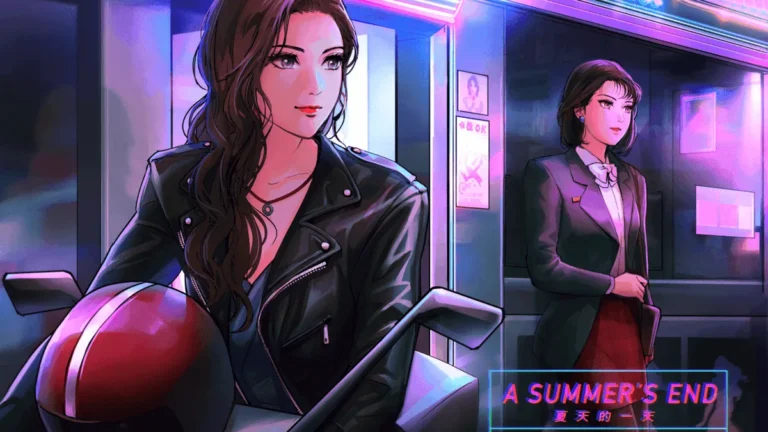
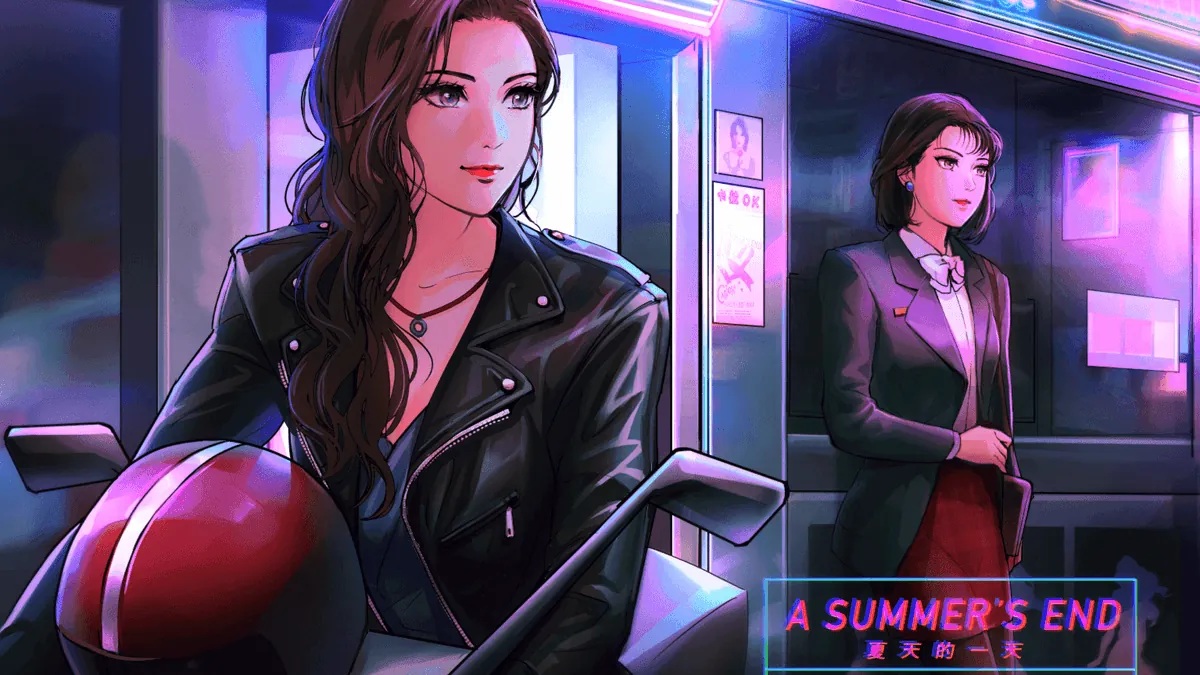
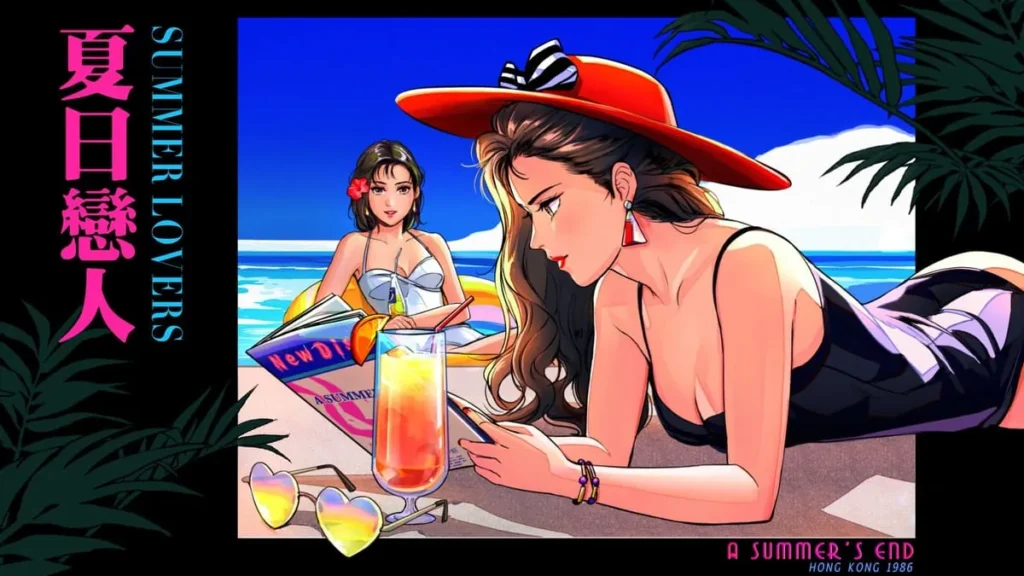
Imagine stumbling upon a chance encounter that sparks a deep connection amid the neon glow of 1980s Hong Kong—that’s the magic of A Summer’s End – Hong Kong, 1986. This captivating visual novel follows Michelle, a young office worker, as she navigates budding feelings for Sam during a transformative summer. With lush hand-drawn art inspired by 80s anime, a vaporwave soundtrack, and themes of love, family, and self-discovery, it pulls you into a world of vibrant cityscapes and emotional depth. I first played it on a rainy evening, and the rainy reunion scene hit me like a wave of nostalgia. Whether you’re into romance visual novels or retro aesthetics, this game delivers an unforgettable journey with two endings and bonus scenes to unlock.
What Makes A Summer’s End Hong Kong 1986 a Must-Play Romance?
I remember scrolling through game tags late one night, feeling that particular itch for a story that could pull me into another world. I’d grown tired of epic fantasies and wanted something… human. That’s when I found A Summer’s End – Hong Kong, 1986. The title alone painted a picture: a specific time, a fading season, a precise place. I clicked play, and within minutes, I wasn’t just playing a romance visual novel; I was stepping into the shoes of Michelle, a young office worker in 1986 Hong Kong, and her world of quiet uncertainty felt startlingly familiar. 🌆
This isn’t a tale of grand, sweeping fantasy. Its power lies in its beautiful, painful specificity. It’s a story about the quiet moments of self-discovery that happen against the backdrop of a city on the brink of massive change. If you’re looking for a game that offers a heartfelt escape into a beautifully realized past, where every choice feels deeply personal, then let me tell you why this Hong Kong 1986 game deserves a top spot on your playlist.
Who Are Michelle and Sam and Why Do They Captivate?
At the heart of this experience is the Michelle and Sam story. You see the world through Michelle’s eyes, and she’s someone I immediately understood. She’s successful in her career, yet adrift in her personal life, navigating the quiet pressure of family expectations and the vague sense that she’s living a script written by someone else. Her internal dialogue is so authentic—that mix of professional competence and personal confusion. When she meets Sam, a free-spirited graphic designer, it’s not an earth-shattering crash, but a spark that gradually illuminates parts of herself she’s kept in the shadows.
Sam, seen through Michelle’s perspective at first, is all vibrant energy and confident charm. But what makes their dynamic so compelling is the believability of their tension. It’s not manufactured drama; it’s the real, palpable friction between desire and duty, between individual identity and cultural conservatism. The game beautifully reveals that Sam’s confidence masks her own vulnerability, and her feelings for Michelle run deep from their very first encounter.
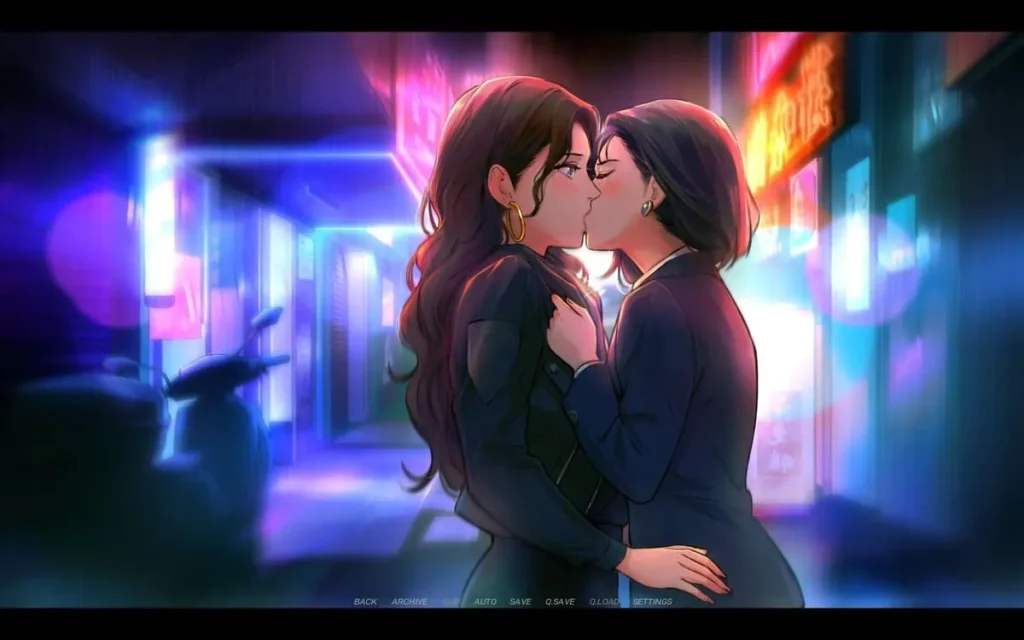
“I thought I was just playing a game about a rainy kiss. I didn’t expect to be sitting at my desk, completely still, as a fictional rainstorm mirrored one I’d felt in my own heart years ago. That scene… it unlocked a memory I’d packed away.” — A player’s reflection on the game’s emotional impact.
This is the magic of their story. You’re not just watching a romance unfold; you’re navigating the delicate process of Michelle allowing herself to be seen and to see someone else truly in return. Their chemistry is built on lingering glances, hesitant touches, and conversations that feel both ordinary and extraordinarily significant. It’s a masterclass in showing, not telling, why two people belong together.
How Does the 1986 Hong Kong Setting Bring the Story Alive?
The 80s Hong Kong setting is far more than a decorative backdrop; it’s a vital, breathing character in this romance visual novel. This isn’t a generic “Asian city.” This is a specific, lovingly detailed portrait of Hong Kong in a pivotal year, rendered in stunning retro anime art. The developers, Oracle & Bone, poured an incredible amount of research and love into every pixel.
You’ll wander through the chaotic, neon-drenched streets of Mong Kok, feel the tension of a crowded tram, and then escape to the breathtaking, serene seascapes of Sai Kung. The game is what fans lovingly call “scenery porn”—with over 400 hand-drawn assets, every location feels lived-in and authentic. From the pattern on a sofa to the flicker of a neon sign advertising a congee shop, the environment tells its own story of a city balancing traditional life with rapid modernization. 🚋✨
This meticulous setting directly influences the characters’ lives and choices. The social atmosphere of 1986 Hong Kong—a blend of conservative family values and burgeoning cosmopolitan energy—creates the central conflict for Michelle. The pressure to conform, to marry, to follow a traditional path is a tangible force, making her personal journey of identity all the more poignant and brave. Playing this Hong Kong 1986 game is like opening a time capsule; you’re not just playing a game, you’re taking a cultural and emotional tour.
Unlocking Endings: Choices That Shape Your Experience
A great romance visual novel lives and dies by its choices and consequences, and A Summer’s End delivers beautifully. This isn’t a story with dozens of random branches. It’s a tight, focused narrative where your dialogue choices build a hidden “affection” score with Sam, directly influencing which of the two primary visual novel endings you will experience.
The system is elegant. Key moments present you with dialogue options that feel organic to the conversation. Choosing responses that are open, vulnerable, or flirtatious will nudge you toward the “True End.” Opting for more reserved, distant, or pragmatic replies will lead you down a different path. It mirrors real life: connection is built through a series of small, courageous moments of honesty.
Your affection score also determines which bonus scenes unlock as you play. These aren’t just throwaway moments; they are intimate glimpses into Sam’s thoughts, private jokes, and deeper conversations that enrich the main story. They’re the reward for being emotionally present in your interactions. Replaying to find them all is a joy, not a chore, because you get to see new facets of the characters you’ve grown to love.
So, what are the endings? They are two powerful, distinct conclusions to the Michelle and Sam story:
| Ending Type | Key Choices | Atmosphere | Outcome |
|---|---|---|---|
| True End (Romantic) | Consistently choose open, affectionate, and courageous dialogue. Engage with Sam’s world. | Hopeful, cathartic, emotionally soaring. Features the iconic, deeply romantic rainy scene. | Michelle embraces her feelings and her identity. A definitive, beautiful commitment to a shared future. |
| Bad End (Separate Paths) | Choose reserved, practical, or distant responses. Avoid emotional vulnerability. | Melancholy, bittersweet, realistic. The “rain” here symbolizes regret and depression. | Unspoken words and fears win. Paths diverge, leaving a profound sense of “what could have been.” |
My practical advice? Play through blind first. Let your instincts guide Michelle. Feel the weight of the choices. Then, replay with a guide to consciously steer toward the other ending. Experiencing both is essential—the melancholy of the Bad End makes the triumph of the True End shine even brighter, and vice versa. It’s a testament to the writing that both conclusions feel earned and heartbreakingly real.
This brings me to my core insight about this game: its greatest strength is its emotional payoff. In an era where so much media equates romance with explicit content, A Summer’s End proves that the most powerful moments are often the quietest. The touch of a hand, a shared glance across a table, a confession made in the rain—these are the scenes that linger for days after you finish playing. The stunning retro anime art and a phenomenal synthwave soundtrack (featuring artists like Timecop1983 and RoboRob) wrap this emotional core in an irresistibly stylish package.
If you are a fan of queer romance stories that prioritize character and atmosphere over melodrama, this game is a gift. It’s a lovingly crafted journey back to a specific summer in a specific city, about two people finding the courage to choose each other. It’s a reminder that sometimes the most epic adventure is the one that happens within the human heart.
| Feature | Detail |
|---|---|
| Art Style & Assets | Retro anime art with over 400 hand-drawn backgrounds and CGs |
| Soundtrack | Original synthwave score by Timecop1983, RoboRob, and more |
| Core Endings | Two main endings: True Romantic End and Bad End (Separate Paths) |
| Key Mechanics | Dialogue-based affection system unlocking bonus scenes |
| Primary Setting | A meticulously researched 1980s Hong Kong |
A Summer’s End – Hong Kong, 1986 isn’t just a visual novel—it’s a heartfelt dive into love, identity, and the vibrant pulse of 1980s Hong Kong through Michelle and Sam’s story. From neon-lit streets to those pivotal choices leading to romance or regret, it masterfully blends retro art, immersive settings, and genuine emotion. My own playthrough left me reflecting on unspoken tensions in relationships, making it resonate long after. If you’re craving a story that honors queer romance with depth over excess, grab it now—unlock those bonus scenes, chase the true ending, and let the vaporwave vibes transport you. Dive in and experience the summer that changed everything.